Top 10 Prefabricated Houses Transforming China’s Housing Market?
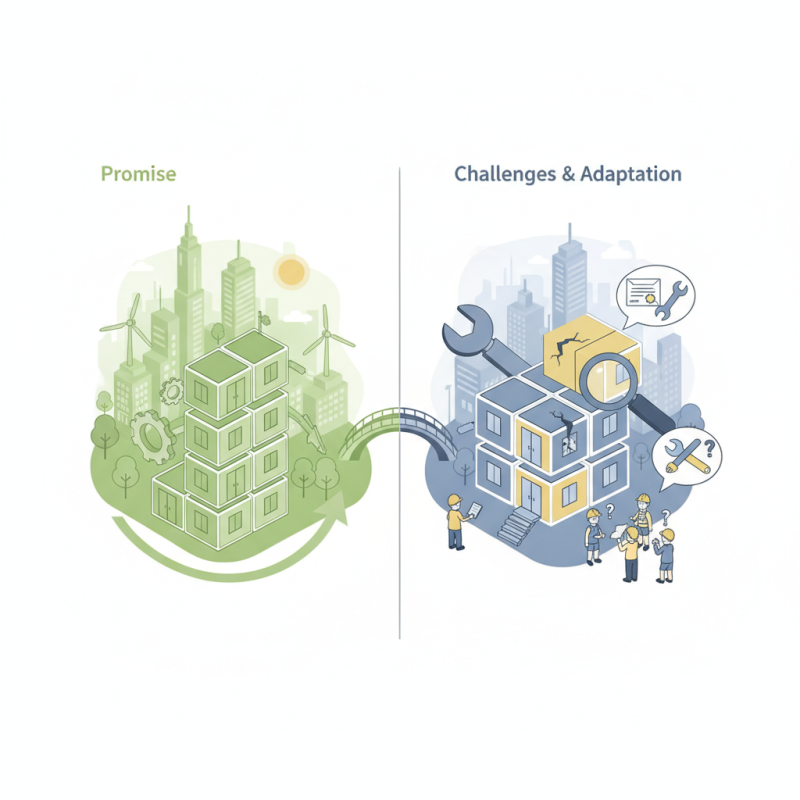
The housing market in China is undergoing a significant transformation, driven largely by the rise of the Prefabricated House. According to a report by Research and Markets, the prefabricated building sector in China is expected to grow at a compound annual growth rate of 10.4% from 2020 to 2025. This shift is fueled by the need for faster, more efficient construction methods and sustainable housing solutions. Prefabricated houses can reduce build time by up to 50%, making them an attractive option in urban areas facing rapid population growth.
However, while the benefits are clear, there are challenges that must be addressed. Quality control in production is a critical concern. A study from McKinsey highlights that up to 30% of prefabricated constructions experience issues related to material defects and assembly errors. Additionally, the market lacks sufficient skilled labor capable of assembling these advanced structures effectively. These challenges indicate that, while the Prefabricated House movement has potential, it requires ongoing refinement and investment in training.
As cities across China continue to expand, embracing prefabricated housing could provide a sustainable solution. This approach not only addresses the growing housing demand but also offers a way to achieve environmental goals. Yet, its success hinges on overcoming the current shortcomings in quality and labor skills. Thus, the journey of prefabricated houses in China is one of promise, punctuated by learning and adaptation.
The Rise of Prefabricated Houses in China’s Housing Market
The rise of prefabricated houses in China is reshaping the housing market. These innovative homes are gaining popularity for their speed of construction and affordability. Prefabricated houses are built off-site and then assembled on location. This method reduces waste and improves efficiency, addressing China’s urgent housing needs.
One key advantage is the quality control involved. Construction occurs in a controlled environment, minimizing errors linked to traditional building methods. This not only enhances durability but also promotes sustainability. Yet, the rapid growth of this sector poses challenges. Ensuring standardization while maintaining design flexibility is crucial. Homebuyers may worry about customization limitations. It's essential for builders to strike a balance.
Tips for potential buyers include researching local regulations. Understanding zoning laws can prevent future headaches. Also, look for reputable builders with a track record in prefabricated construction. Lastly, visiting completed projects can provide insights into quality and design options. Weighing pros and cons is necessary to make an informed decision. Prefabricated houses offer promise, but critical assessment is key.
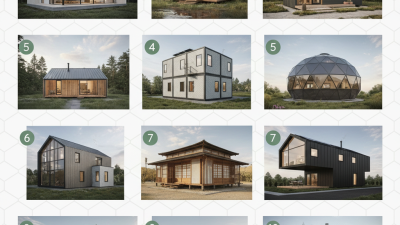
Top 10 Prefabricated Houses Transforming China’s Housing Market
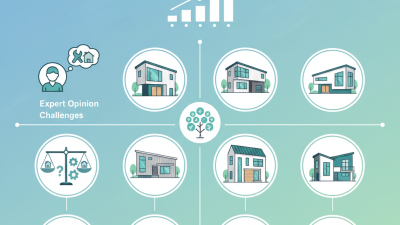
This chart illustrates the various factors that are transforming China's housing market through prefabricated houses. Each factor is rated on a scale from 1 to 10, showcasing their impact level in the housing industry.
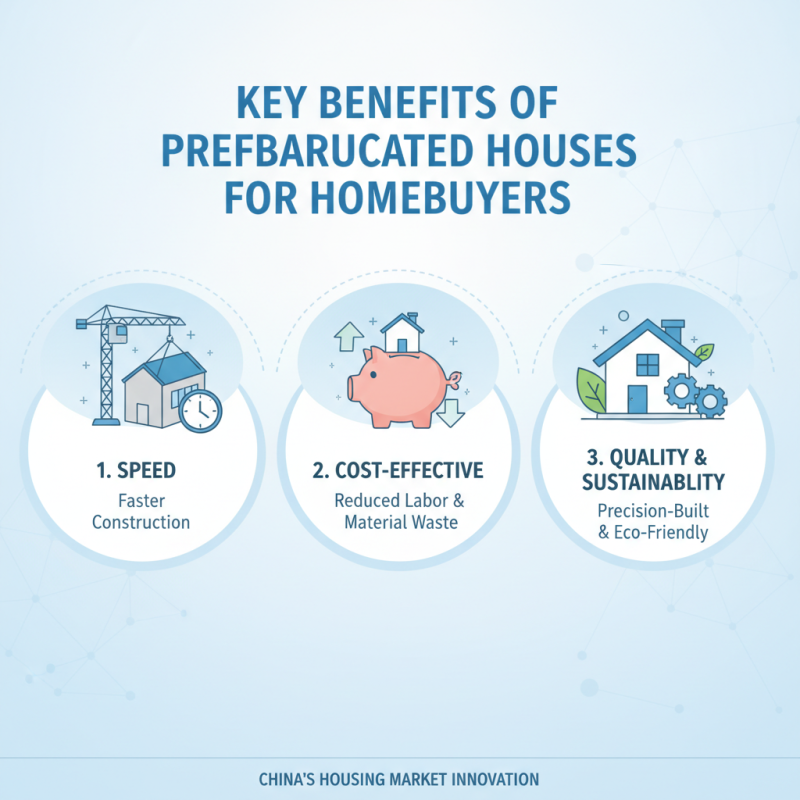
Key Benefits of Prefabricated Houses for Homebuyers
Prefabricated houses are gaining traction in China's housing market. These homes are manufactured off-site, offering numerous benefits for potential buyers. One significant advantage is speed. Construction timelines are drastically reduced. This means families can move into their new homes much faster than traditional builds.
Another key benefit is cost efficiency. Prefabricated homes are often more affordable due to lower labor and material costs. Homebuyers can save significant amounts while still receiving quality housing. Moreover, these houses can be designed to be energy-efficient, reducing long-term utility expenses.
However, not all experiences are perfect. Some buyers express concerns about the long-term durability of prefabricated homes. Quality control and material longevity are crucial considerations. It's essential for homebuyers to do thorough research and consult experts before making decisions. Ultimately, prefabricated houses present a modern solution in an evolving real estate landscape.
Innovative Designs: Leading Prefabricated House Models in China
Prefabricated houses are making significant waves in China's housing market. Their influence extends beyond mere cost efficiency. They embody a new era of sustainable living and innovative design. Research from the China Prefab House Association notes that the prefabricated housing industry is projected to reach a market size of over $30 billion by 2025. This growth presents both opportunity and challenge.
Leading models showcase unique designs, from modular apartments to eco-friendly suburban homes. One model, for instance, utilizes recycled materials, reducing waste. Construction time can be halved compared to traditional methods. A remarkable case shows a 1,000-square-foot home built in just two weeks. However, rapid growth can lead to quality inconsistency and regulatory gaps.
Adopting prefabricated designs can spark a change in urban landscapes. These homes often feature energy-efficient systems, reducing overall emissions. A study indicated that modular builds can achieve a 30% lower carbon footprint than conventional buildings. Yet, the focus must remain on creating durable and livable spaces, not just quick fixes. Balancing innovation with reliability is essential for long-term success.
Top 10 Prefabricated Houses Transforming China’s Housing Market
| Model |
Size (sqm) |
Price (RMB) |
Material |
Energy Efficiency Rating |
| Eco Home 1 |
75 |
180,000 |
Lightweight Steel |
A+ |
| Compact Living |
50 |
120,000 |
Recycled Wood |
A |
| Modern Villa |
150 |
350,000 |
Concrete Composite |
A++ |
| Eco Sustainable |
100 |
250,000 |
Bamboo |
A+ |
| Family Haven |
120 |
300,000 |
Insulated Panels |
A++ |
| Smart Pod |
40 |
90,000 |
Glass Fiber |
B |
| Mini Retreat |
30 |
70,000 |
Wood Frame |
C |
| Urban Loft |
90 |
220,000 |
Steel Frame |
A |
| Nature Nest |
115 |
280,000 |
Eco Bricks |
A+ |
Impact of Prefabricated Housing on Urban Development and Sustainability
Prefabricated housing is reshaping urban development in China. These homes can be built quickly, helping to address the housing shortage. Prefab houses often use sustainable materials, reducing waste. This construction method promotes greener cities by minimizing the environmental impact. Many cities see a rise in eco-friendly neighborhoods.
However, challenges remain. The quality of prefabricated houses can vary significantly. Some constructions lack the aesthetic appeal of traditional homes. Residents might miss the sense of community often found in conventional neighborhoods. Urban planners need to consider these aspects carefully.
The potential for prefabricated buildings in sustainability is immense. They often require less energy during construction. Also, these homes can be more energy-efficient than older buildings. Still, ongoing monitoring is vital to ensure these structures are safe and durable over time. Balancing innovation with quality remains crucial as China moves forward in its housing transformation.
Challenges Facing the Prefabricated Housing Industry in China
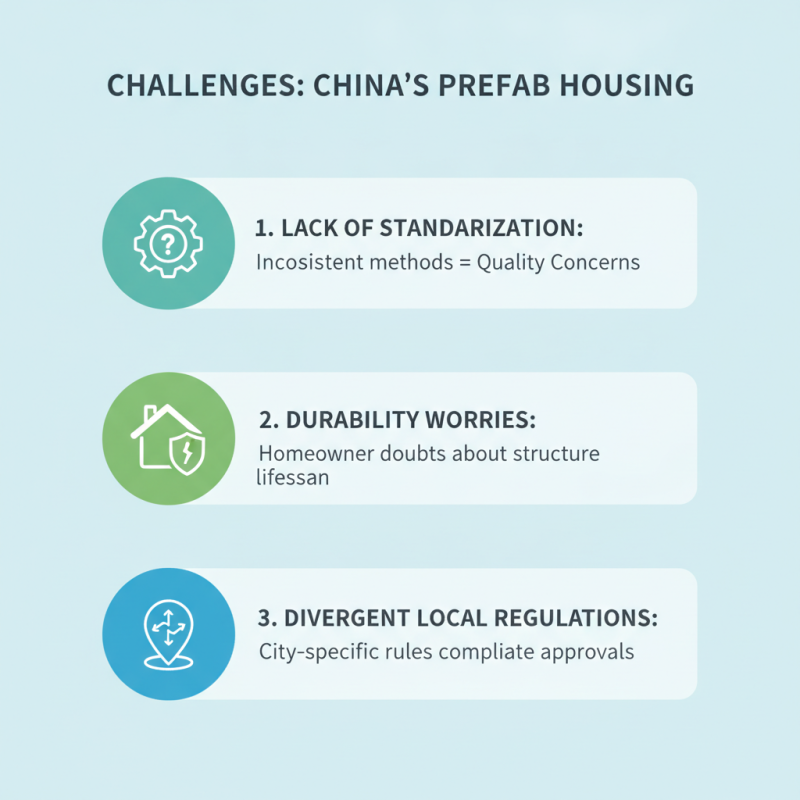
The prefabricated housing industry in China faces significant challenges. One major issue is the lack of standardization in construction methods. This inconsistency can lead to quality control problems. Homeowners may worry about the durability of structures. Moreover, local regulations often differ. Each city has its own rules, complicating the approval process.
Labor shortages also impact the industry. Skilled workers are essential for high-quality assembly. Many young people are leaving construction jobs for more stable careers. This trend raises concerns about future projects. Additionally, public perception remains a barrier. Many people question the aesthetic appeal of prefabricated homes. Despite their potential for affordable housing, stigma still persists.
Lastly, supply chain disruptions affect material availability. Global factors have caused delays and increased costs. Builders are forced to adapt quickly, but this is not always possible. Without a reliable supply chain, projects may stall. The road ahead is filled with obstacles. The industry's future relies on overcoming these challenges.

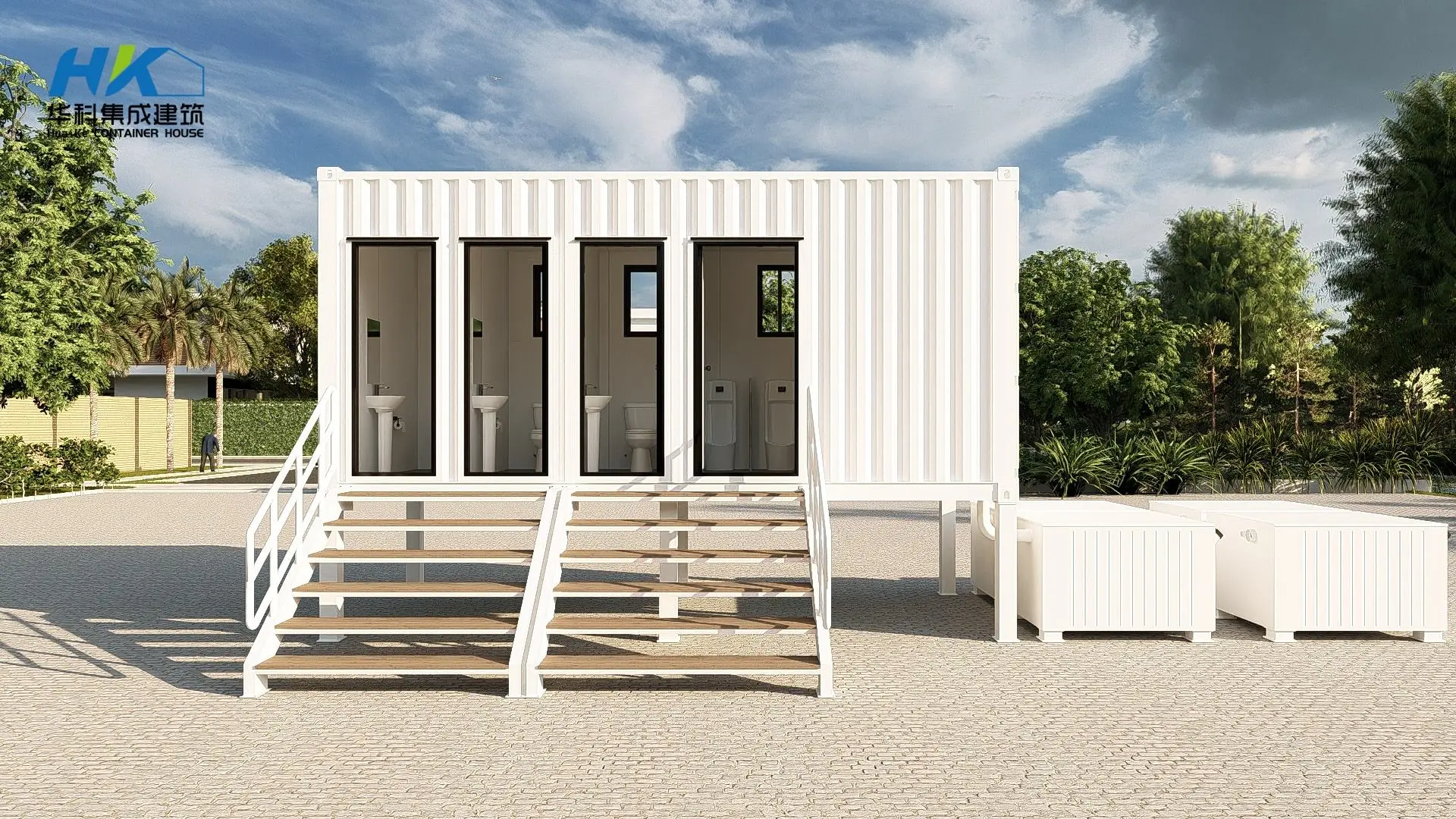 Contianer Toilet