2026 Best Prefabricated House Designs for Modern Living Options?
In recent years, the demand for prefabricated houses has surged. With modern advancements, these homes offer innovative living solutions. Experts believe this trend will continue to grow. John Smith, a leading authority in the Prefabricated House industry, noted, "Prefabricated homes provide both efficiency and style, appealing to diverse lifestyles."
The appeal of prefabricated houses lies in their versatility. They can be customized for urban or rural settings. These homes often require less time to construct and can be more cost-effective. However, potential buyers should consider local regulations and site preparation challenges.
While the benefits are clear, drawbacks exist. Not every design fits the homeowner's vision. Some prefabricated models may lack unique architectural elements. Additionally, potential quality variations across manufacturers can lead to frustration. Prospective owners must navigate these complexities to find their ideal modern living solution.
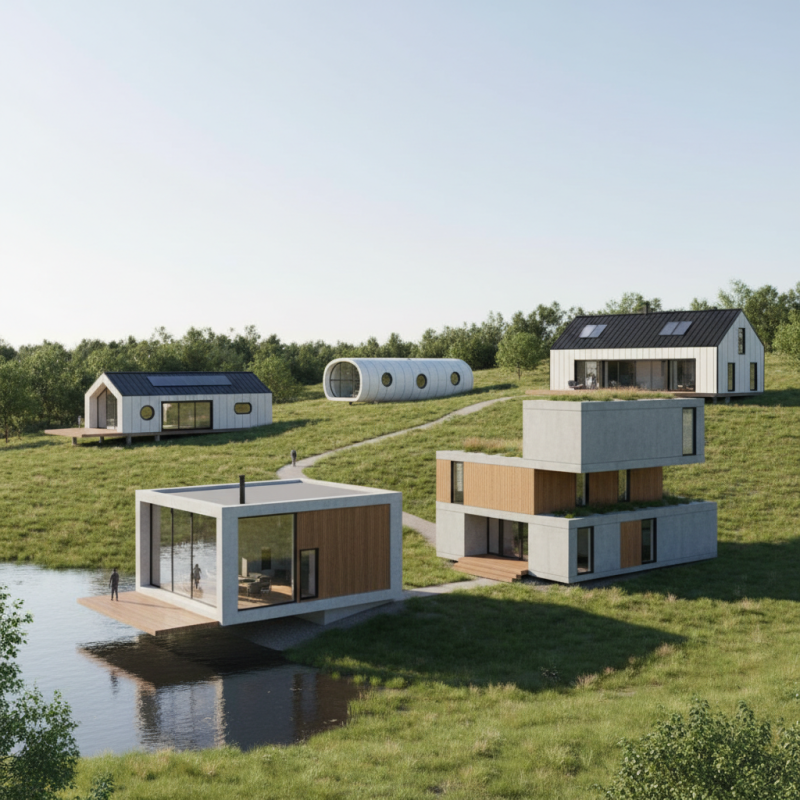
Overview of Prefabricated Housing: Trends and Innovations
Prefabricated housing is evolving rapidly, driven by innovation and sustainability. Reports indicate that the global prefabricated housing market is expected to reach $153 billion by 2026, reflecting a significant annual growth rate of 6.5%. This growth is fueled by rising demand for efficient and affordable housing solutions.
One major trend is the incorporation of green technologies in design. Prefabricated homes are often made with sustainable materials, leading to a reduction in carbon emissions. Using modular components also allows for precise manufacturing, leading to less waste during construction. A recent survey found that 73% of homebuyers now prioritize energy-efficient homes, showcasing the shift towards responsible living.
Innovation is not limited to materials alone. Advances in technology, such as 3D printing, are transforming how homes are constructed. Some companies are now producing entire buildings with this method. However, challenges remain. The perception of prefabricated homes still lags behind traditional construction. Many view them as temporary or lower quality. Addressing this mindset will be crucial as the industry continues to grow.
Key Features of Modern Prefabricated House Designs
Modern prefabricated houses offer a blend of efficiency and style. One key feature is their sustainable design. Builders often use eco-friendly materials, reducing the carbon footprint. Insulation is typically superior due to factory settings. This leads to energy savings over time, appealing to eco-conscious buyers.
Customization is another important aspect. Homebuyers can often choose layouts and finishes, creating a personal touch. Some designs incorporate open floor plans, which enhance natural light. This is particularly beneficial in smaller spaces. However, there can be challenges with zoning regulations in certain areas. This may limit creative options.
Additionally, modern prefabricated homes often include smart technology. Automated systems for heating and lighting are common. This allows for greater energy efficiency but may require technical knowledge to manage. Buyers need to assess if they are comfortable with such features. This can sometimes make the process feel overwhelming. Each choice invites reflection on personal needs and lifestyle.
2026 Best Prefabricated House Designs for Modern Living Options
| Design Name |
Size (sq ft) |
Number of Bedrooms |
Key Features |
Price Range ($) |
| Modern Eco House |
1200 |
2 |
Solar Panels, Green Roof, Open Concept |
150,000 - 180,000 |
| Minimalist Retreat |
900 |
1 |
Sustainable Materials, Large Windows, Compact Design |
100,000 - 130,000 |
| Family Living Space |
1600 |
3 |
Open Floor Plan, Outdoor Deck, Smart Home Features |
200,000 - 250,000 |
| Compact Urban House |
800 |
1 |
Space-saving Design, Rooftop Garden, Energy Efficient |
90,000 - 120,000 |
| Luxury Modular Villa |
2500 |
4 |
High-end Finishes, Smart Technology, Spacious Layout |
350,000 - 450,000 |
Top Design Inspirations for Eco-Friendly Prefabricated Homes
Eco-friendly prefabricated homes are becoming increasingly popular. These designs emphasize sustainability and efficiency. Many architects are creating innovative spaces that blend style with environmental responsibility.
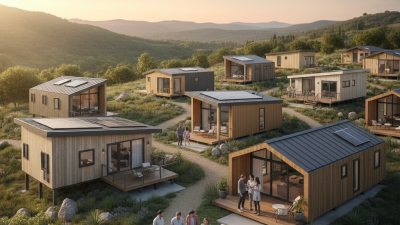
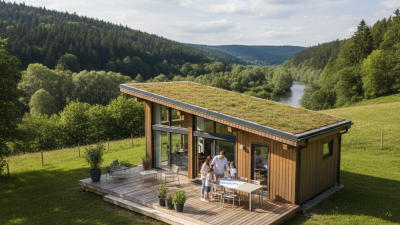
One inspiring design features solar panels integrated into the roof. This allows homes to harness renewable energy. Large windows maximize natural light, reducing the need for artificial lighting. Green roofs can also support local biodiversity.
However, the journey to creating these homes is not without challenges. Material sourcing can impact the overall eco-friendliness. It's crucial to find sustainable suppliers. Additionally, some designs may not suit all climates. Consider local weather patterns when choosing a home design. Embracing this trend requires thoughtful planning and reflection on our impact on the planet.
Comparative Analysis of Cost: Prefab Houses vs. Traditional Builds
In recent years, interest in prefabricated houses has surged. Cost efficiency is a key factor driving this trend. Prefab houses often have lower construction costs compared to traditional builds. The materials used in prefab design are generally less expensive. Additionally, the assembly process takes less time. This means homeowners can save on labor costs.
However, there are nuances to consider. While the initial costs may be lower, customizations can quickly raise the price. Traditional builds offer flexibility in design and materials. Homeowners often face dilemmas about which option suits their needs best. It’s essential to evaluate long-term value, not just upfront expenses.
Quality can vary widely in prefab houses. Some designs may lack durability over time. This can lead to unexpected repair costs down the line. Evaluating the long-term benefits against immediate savings is crucial. In some cases, the charm of traditional construction can outweigh the efficiency of prefab options. Homeowners should reflect on their priorities before making a decision.
Future Prospects: The Evolution of Prefabricated Living Solutions
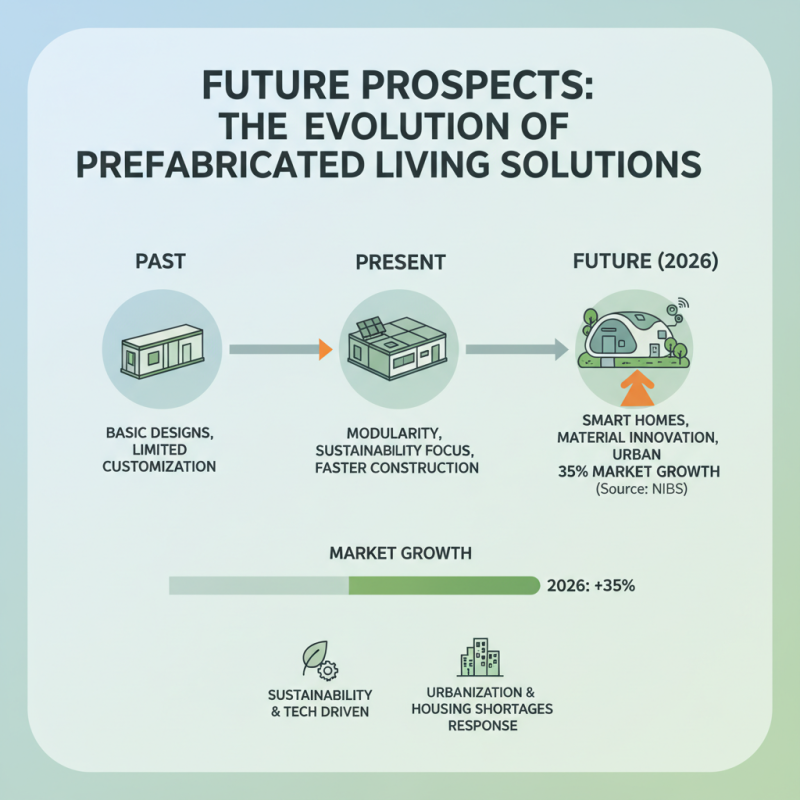
The future of prefabricated living solutions is evolving rapidly, driven by sustainability and technological advancements. According to a recent report by the National Institute of Building Sciences, the prefabricated housing market is expected to grow by 35% by 2026. This growth reflects a shift towards more efficient building practices, responding to urbanization and housing shortages.
Innovative designs are emerging, with minimalistic aesthetics and modular components. These homes often emphasize energy efficiency. Data suggests that prefabricated homes can reduce waste by up to 90% during construction. However, challenges remain. Relying heavily on precision manufacturing can be risky, as unforeseen delays may occur.
Incorporating smart technology is also reshaping prefabricated houses. Some recent models feature solar panels and smart home systems, enhancing energy independence. Yet, the integration of technology can lead to higher initial costs. Balancing affordability and innovation is crucial for widespread acceptance. As these living solutions continue to evolve, ongoing discussions about their long-term viability are necessary.

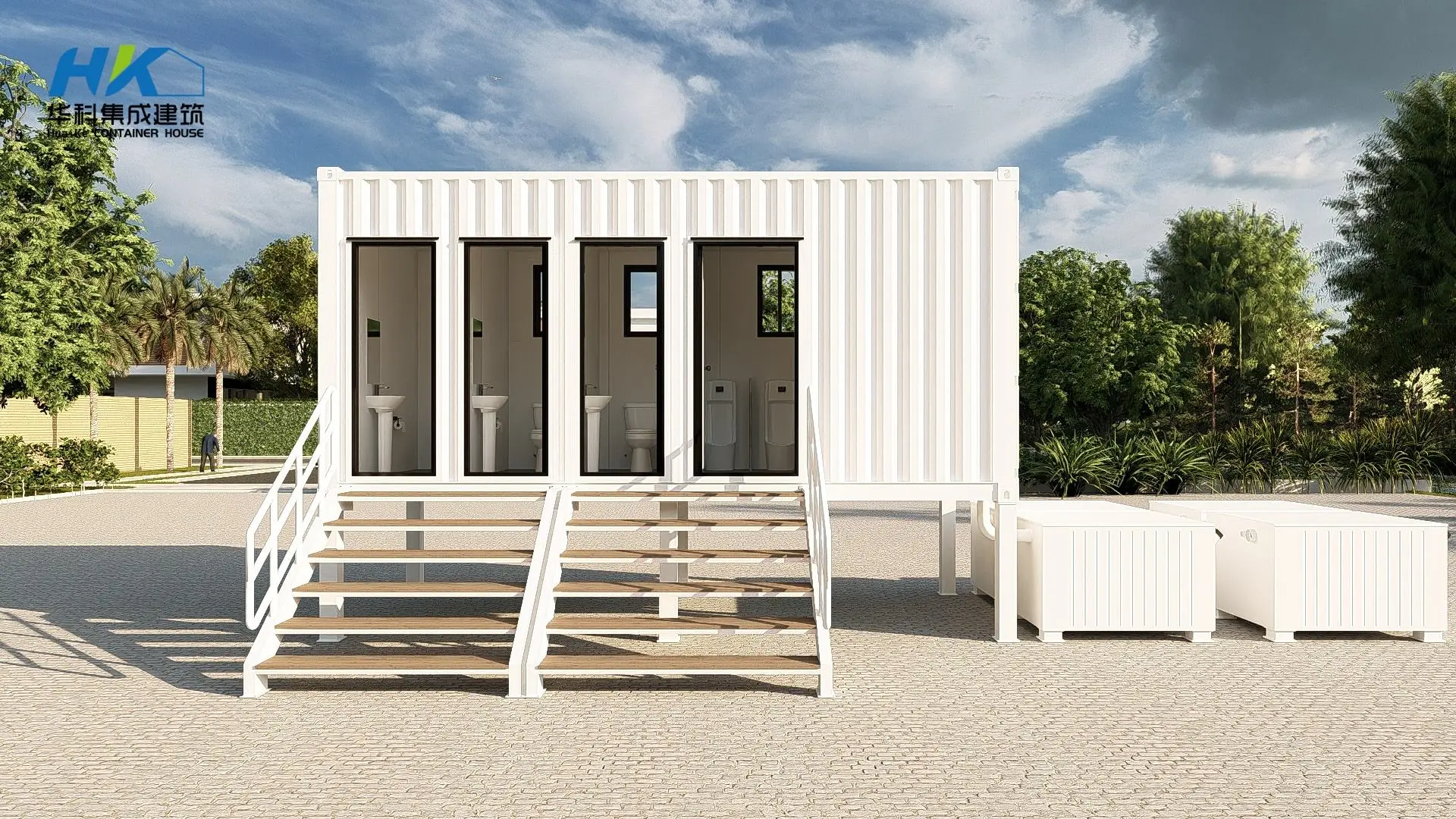 Contianer Toilet