China Top 10 Prefabricated House Designs for Modern Living?
The rise of the Prefabricated House industry reflects a significant shift in modern living. According to a report by Market Research Future, the global prefabricated housing market could reach $360 billion by 2025, driven by demand for sustainable and cost-effective building solutions. This growth underscores the increasing appeal of innovative designs that meet the needs of contemporary lifestyles.
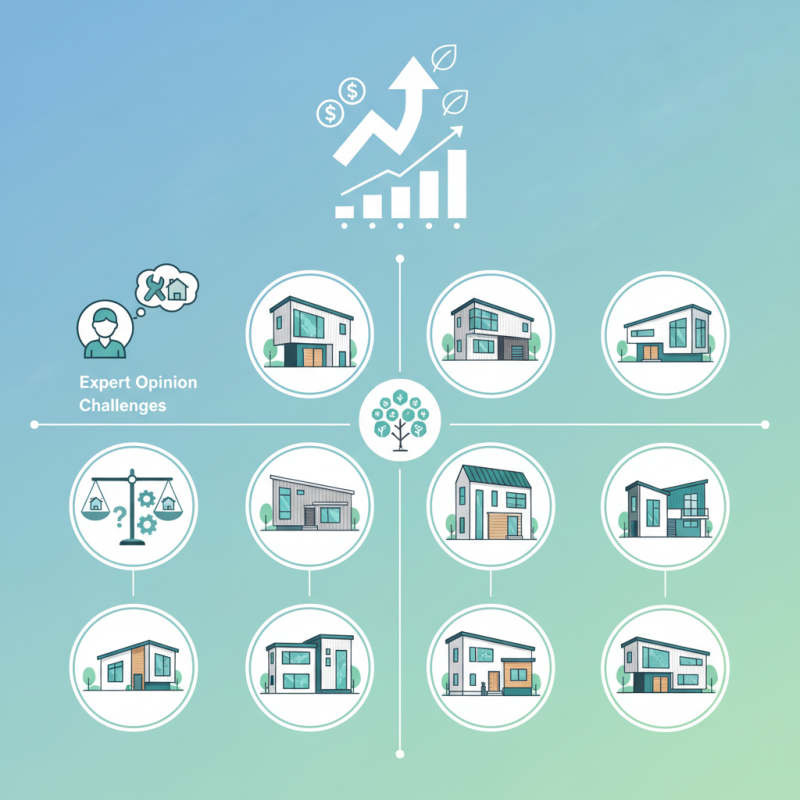
Experts like Dr. Emily Santos, a leading architect in prefabricated construction, emphasize the advantages of these homes. She states, "Prefabricated Houses provide a practical solution for affordable housing without sacrificing quality." This sentiment resonates with consumers seeking efficiency and sustainability in home design. However, it is crucial to consider challenges such as zoning regulations and public perception, which can hinder the adoption of prefabricated homes in some regions.
As we explore China's top ten prefabricated house designs, we must also reflect on the potential obstacles. While these homes often promise rapid assembly and reduced waste, not all designs are perfect. Some may still face scrutiny regarding durability and aesthetic appeal. This ongoing dialogue in the field highlights the importance of continuous innovation and addressing consumer concerns in the prefabricated housing sector.
Innovative Features of Prefabricated Houses in China
Prefabricated houses in China are gaining popularity due to their innovative features. These homes often use sustainable materials. This makes them environmentally friendly. Many designs focus on energy efficiency. Solar panels and insulated walls are common features. These elements reduce energy consumption significantly.
Customization is another key aspect. Owners can choose layouts and finishes according to personal taste. This adaptability is appealing for modern living. Some designs even integrate smart home technology. Advanced security systems and smart appliances enhance convenience. However, not all designs maximize space efficiently. Layouts may sometimes feel cramped for larger families.
Another interesting feature is the speed of construction. Prefabricated homes can be assembled quickly, often within weeks. This is attractive in a fast-paced society. It meets urgent housing needs. Yet, the rapid construction can lead to quality concerns. Some structures may not perform as well over time. Balancing speed and durability remains a challenge in the industry.
China's Top 10 Prefabricated House Designs for Modern Living
Popular Materials Used in China's Prefabricated Housing Designs
In recent years, the demand for prefabricated houses in China has surged. These homes offer innovative designs and quick assembly. The materials used in construction play a critical role in their appeal and functionality. Common options include steel, wood, and concrete. Each material provides unique benefits and challenges.
Steel is popular for its strength and durability. It withstands harsh weather but can be prone to rust if not treated properly. Wood offers a warm aesthetic, making homes feel inviting. However, it requires regular maintenance to prevent decay. Concrete is a robust choice too, offering excellent insulation. Yet, its weight can complicate transportation.
While these materials present various advantages, they also come with concerns. For instance, sourcing sustainable wood can be challenging. Steel production has a significant carbon footprint. Concrete, although strong, can lead to environmental issues if not mixed appropriately. Balancing these factors is essential for sustainable building practices. Exploring new composite materials may provide better solutions in the future.
Top Contemporary Styles of Prefabricated Homes in China
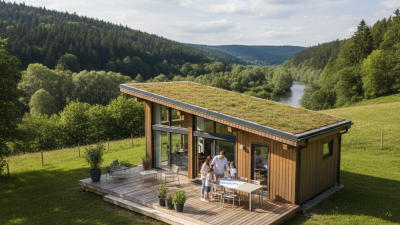
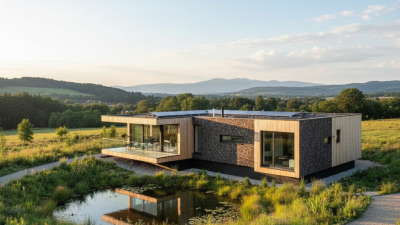
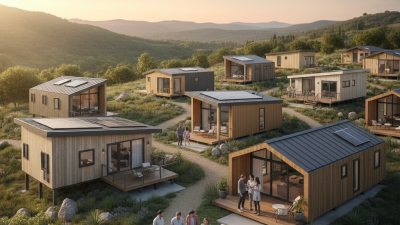
In recent years, the rise of prefabricated homes in China has transformed modern living. The designs emphasize efficiency and sustainability. These homes often feature modular spaces, allowing for easy customization. Clean lines and open floor plans create a sense of spaciousness. Natural materials are commonly used, promoting harmony with the environment.
One popular style is the minimalist design. It combines functionality with aesthetic appeal. Large windows bring in natural light, enhancing the interior atmosphere. Another trend is the eco-friendly model. These homes utilize green technologies, like solar panels and rainwater harvesting. While these innovations are impressive, challenges remain in balancing cost and material quality.
The contemporary Chinese market also embraces traditional influences. Homes with Feng Shui principles attract many buyers. This blend of modern and traditional creates unique living experiences. However, some designs may not suit every climate. It's crucial to consider local conditions when choosing a prefabricated house.
Sustainable Practices in Chinese Prefabricated House Construction
The surge in prefabricated home designs in China speaks volumes about modern sustainable practices. These homes often utilize eco-friendly materials, reducing waste during construction. Prefabrication allows for efficient use of resources, often leading to energy-efficient structures.
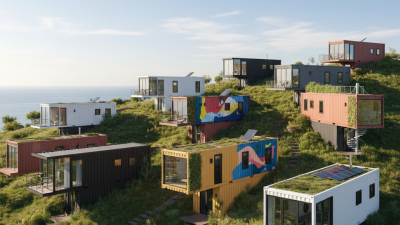
In the heart of these designs are innovative approaches. Solar panels, green roofs, and rainwater harvesting are common features. Builders strive for balance between aesthetics and functionality. However, challenges remain. Not all prefabricated homes meet sustainable standards. Quality control can be inconsistent, leading to concerns about durability and energy performance.
The integration of local craftsmanship adds a unique touch to many prefabricated designs. Utilizing traditional techniques harmonizes modern living with cultural heritage. While the focus is often on cutting-edge technology, the human aspect should not be overlooked. It's important to critically evaluate each design's long-term impact on the environment and community. Embracing these challenges is vital for true sustainability in prefabricated housing.
China Top 10 Prefabricated House Designs for Modern Living
| Design Name |
Material Used |
Square Footage |
Energy Efficiency Rating |
Sustainable Features |
| Modern Eco Cottage |
Wood & Steel |
800 sq ft |
A++ |
Solar Panels, Rainwater Harvesting |
| Compact Urban Villa |
Concrete & Glass |
600 sq ft |
A+ |
Green Roof, LED Lighting |
| Family Modular Home |
Wood Frame |
1200 sq ft |
A |
Insulated Windows, Energy Star Appliances |
| Stylish Container Home |
Shipping Containers |
400 sq ft |
B+ |
Recycled Materials, Off-Grid Options |
| Luxury Prefab Retreat |
Glass & Steel |
1500 sq ft |
A++ |
Smart Home Technology, Geothermal Heating |
| Traditional Style Prefab |
Wood & Stone |
1000 sq ft |
A |
Natural Insulation, Passive Solar Design |
| Modern Family Compound |
Steel & Concrete |
1800 sq ft |
A+ |
Solar Heating, Water Conservation Systems |
| Eco-Friendly Studio |
Bamboo & Recycled Steel |
500 sq ft |
A |
Biodegradable Materials, Green Landscaping |
| Contemporary Loft House |
Concrete & Glass |
950 sq ft |
A+ |
High Insulation, Smart Energy Controls |
Trends in Interior Design for Prefabricated Homes in China
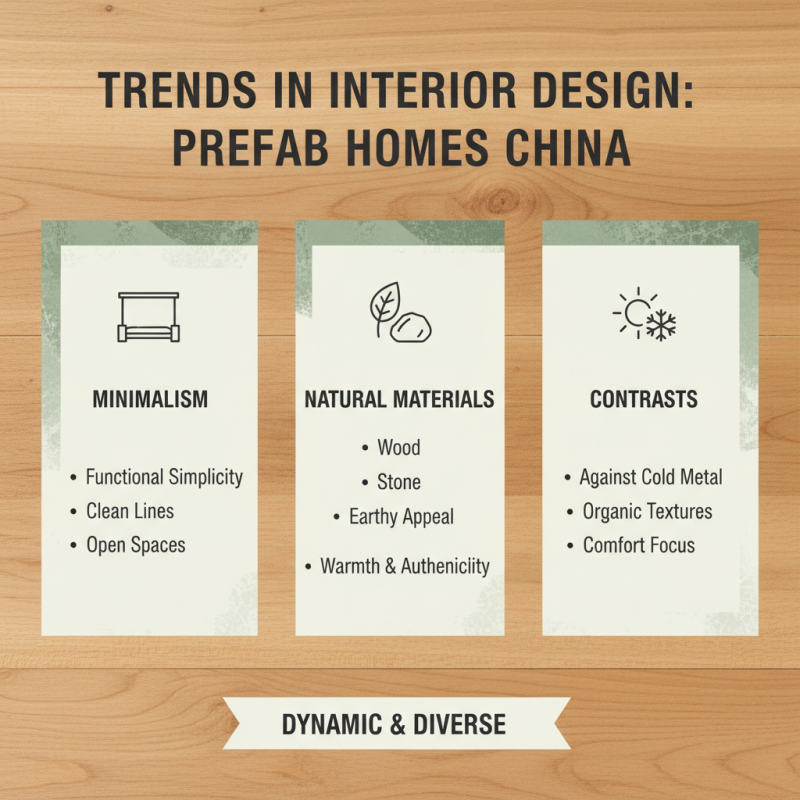
The interior design trends for prefabricated homes in China are dynamic and diverse. Minimalism continues to take center stage, emphasizing functional simplicity. Clean lines and open spaces create a sense of freedom. Natural materials like wood and stone are popular for their earthy appeal. These elements enhance warmth and authenticity, a stark contrast to cold metal finishes.
Another notable trend is the integration of smart technology. Homeowners are opting for automated systems that increase comfort and security. Smart lighting, climate control, and security systems are becoming standard features. However, designers face challenges in ensuring compatibility with various prefabricated structures. This balance between technology and design requires thoughtful planning.
Color schemes are also evolving. Soft pastels and neutral tones dominate, creating a calming atmosphere. However, there's a growing interest in bold accent colors, used sparingly. This mix can transform spaces, adding personality. Yet, choosing the wrong palette can overwhelm a space, leading to a cluttered feel. Designers must balance individuality with overall cohesion in their designs.

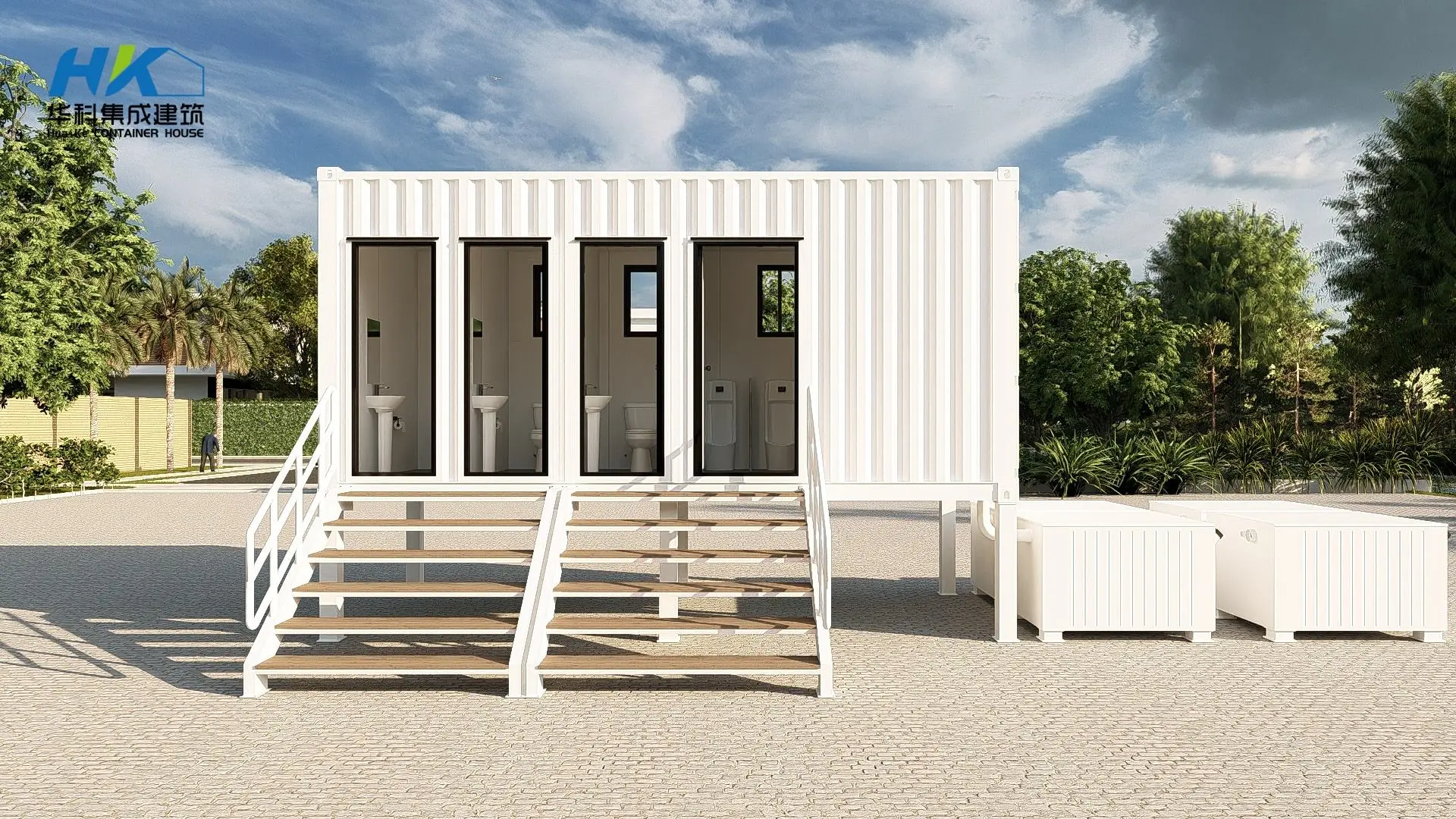 Contianer Toilet