Top 5 Tips for Buying a Prefabricated House Safely?
When considering a Prefabricated House, numerous factors come into play. Expert architect Jennifer Lowe, who specializes in sustainable building, states, “Choosing wisely is key to a successful home.” This highlights the importance of informed decision-making in the prefabricated housing market.
Many buyers overlook crucial details. It’s essential to research the manufacturer’s reputation and their construction methods. A well-constructed Prefabricated House should meet high safety and quality standards. Costs can vary significantly, so clarity on pricing and included features is vital.
Additionally, understanding local zoning laws is a must. Some areas may impose restrictions on prefabricated homes. Without this knowledge, you might face unexpected challenges down the line. Making an educated choice ensures your investment is sound and your living space is both safe and enjoyable.
Researching Prefabricated House Options and Manufacturers
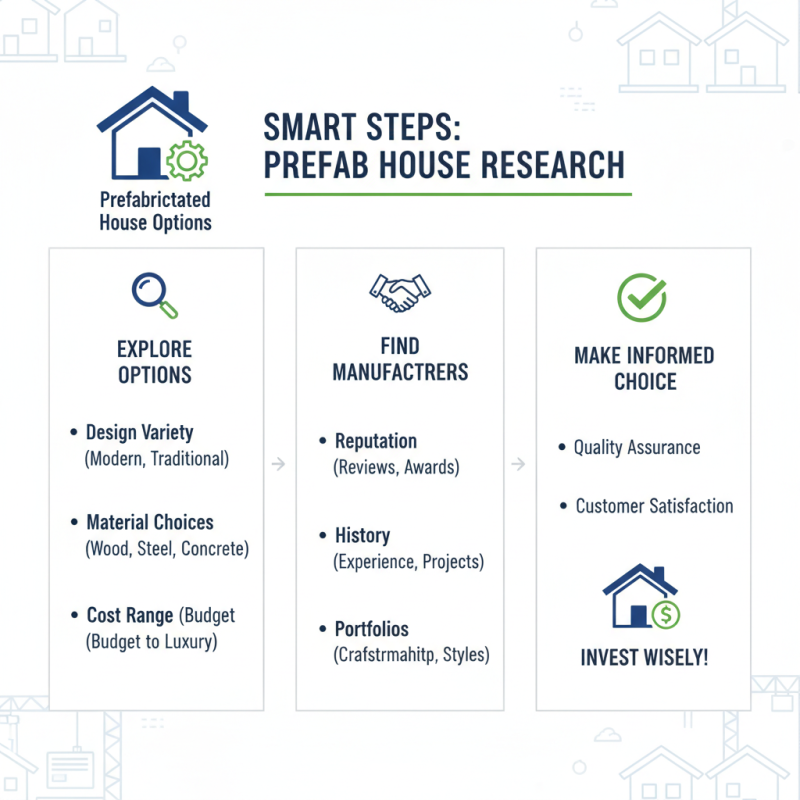
When considering a prefabricated house, proper research is crucial. Begin by exploring various options available in the market. Prefabricated houses can vary significantly in design, materials, and costs. Look for reputable manufacturers who have established a history of quality and customer satisfaction. Their portfolios should provide insight into their craftsmanship.
Reading reviews is another vital step. Customer feedback can reveal the strengths and weaknesses of specific builders. Don't hesitate to reach out to previous buyers. This can give you a clearer picture of what to expect.
Tip: Always verify manufacturer credentials. Ensure they are licensed and insured. This protects you from potential legal issues down the line. Consider seeking advice from industry experts. Their knowledge can help you avoid common pitfalls.
Be mindful of your budget. Sometimes, lower prices can lead to compromises in quality. Investigate the material specifications thoroughly. Cheaper materials may save money upfront but might lead to higher repair costs later. Reflecting on the long-term implications is essential for a wise investment.
Understanding Building Codes and Regulations for Prefabricated Homes
When considering a prefabricated house, understanding building codes is crucial. Each region has its own regulations. These laws ensure your home meets safety and environmental standards. Researching local building codes can help avoid potential issues. Ignoring these regulations can lead to costly modifications or even rejected permits.
Here are some tips for navigating this process. First, consult with a local expert. They can guide you through specific codes in your area. This step can save you time and frustration. Also, check if the prefabricated home complies with local zoning laws. This is essential for long-term satisfaction.
It’s wise to remain vigilant about quality. Some manufacturers might prioritize speed over safety. Investigate their reputation and record. Online reviews can provide insights, but also seek out firsthand experiences. Ensure the home aligns with building codes throughout the construction phase. This attention to detail can prevent future headaches. Remember, your home is a long-term investment.
Evaluating the Quality of Materials and Construction Techniques
When evaluating the quality of materials and construction techniques for prefabricated houses, thoroughness matters. According to the Modular Building Institute, homes built with high-quality prefabricated methods can last up to 50 years with proper maintenance. Look for certifications that verify the sustainability of the materials used. This indicates a commitment to quality.
Inspect the construction methods used. Prefabricated homes often utilize advanced technologies that improve structural integrity. Research reputable manufacturers who prioritize rigorous testing and inspections. A 2021 survey by the National Association of Home Builders found that 90% of builders prefer specific materials for durability. Identifying these choices can lead to a more resilient home.
One critical tip is to visit a completed model or project. Seeing the materials in person provides insight into their quality. Additionally, don’t hesitate to ask questions about how they handle weather resistance and insulation. Engage with builders and seek references. Authentic feedback is invaluable and can enhance your understanding of the construction process. This scrutiny can help avoid common pitfalls in the buying journey. Always remember that a prefabricated house can only perform as well as its weakest link.
Inspecting the Site and Setting for Prefabricated House Installation
When considering the installation of a prefabricated house, site inspection is crucial. You must assess the land carefully. Look for level ground and check for drainage issues. Poor drainage can lead to future problems, like water damage or erosion.
Tip: Always consult a local expert when evaluating your site. They can provide insights specific to your area. Identifying soil quality is essential too. Different soils affect stability and foundation design. Compacted soil is preferable, while sandy or loose soil can be problematic.
Pay attention to accessibility. Ensure that construction vehicles have clear paths to reach your site. This simple factor can impact the efficiency of the installation process. Consider nearby utilities and your connection to local infrastructure. Overlooking these details can result in delays and unexpected costs.
A thorough inspection requires time and effort. It’s often tempting to rush this step, but doing so can lead to regrets. Embrace the process of evaluating your potential site. You’re making a long-term investment, and every detail matters. Remember, a solid foundation starts with a well-chosen site.
Reviewing Financing and Warranty Options for Your Purchase
When considering a prefabricated house, understanding financing and warranty options is crucial. According to industry reports, about 70% of buyers overlook financing terms, which can lead to costly decisions. A solid loan can enhance affordability, making your home purchase less stressful. Many lenders offer specific loans for prefabricated homes, but eligibility can depend on the manufacturer’s compliance with safety standards. Engaging with a knowledgeable mortgage consultant can illuminate these details and help secure the best terms.
Warranty options also require careful analysis. Typically, prefabricated houses come with varied warranties covering structural integrity and appliances. A recent survey found that only 40% of buyers fully understand their warranty coverage, often leaving them vulnerable to unexpected repair costs later. It’s essential to review the warranty details meticulously. Not all builders offer the same level of protection, and some may exclude critical aspects. Seek clarity on what is included and for how long, ensuring that your investment is safeguarded against future uncertainties.
Top 5 Tips for Buying a Prefabricated House Safely
| Tip |
Description |
Financing Option |
Warranty Option |
| Research Manufacturers |
Investigate the reputation and track record of prefabricated home manufacturers. |
Consider a personal loan or manufacturer financing. |
Look for a warranty covering at least 10 years. |
| Inspect the Quality |
Ensure that materials and construction quality meet standards. |
Evaluate your credit score for competitive mortgage rates. |
Inquire about coverage for structural defects. |
| Compare Prices |
Get quotes from multiple manufacturers to ensure competitive pricing. |
Check for government loans or grants for prefabricated homes. |
Ask about transferability of warranties if selling the house. |
| Understand the Assembly Process |
Familiarize yourself with how the home will be assembled on-site to avoid surprises. |
Consider a construction-to-permanent loan for financing. |
Ensure warranty covers installation errors. |
| Verify Local Regulations |
Check zoning laws and building codes in your area to avoid legal issues. |
Consult with a financial advisor about budget allocation. |
Review warranty for compliance with local building standards. |

 Contianer Toilet