Top 10 Prefab House Designs for Global Buyers Seeking Quality?
As the demand for sustainability and efficiency rises, the prefab house industry is experiencing notable growth. According to Mark Johnson, a leading expert in prefab housing, "Prefab houses offer innovative solutions for modern living while prioritizing quality." His insight highlights the evolving design and functionality of these homes.
Prefab houses are not just a trend; they represent a shift in how we think about building. Architects and designers are embracing creative, modular designs that cater to diverse lifestyles. Each design showcases an intention to marry aesthetics with practicality. However, despite the advancements, challenges remain. Many buyers still question the long-term durability of prefab structures.
The market offers various options, and finding the right one can be overwhelming. Buyers should consider quality, style, and sustainability in their choices. Everyone has preferences, but it's crucial to reflect on what truly matters in a home. Quality should never be compromised for aesthetics alone. The journey of selecting a prefab house forces us to confront our needs and aspirations; it’s a personal venture marked by discovery and growth.
Overview of Prefab Housing and Its Global Appeal
Prefab housing has gained widespread traction due to its efficiency and design versatility. According to recent industry reports, the global prefab housing market is projected to grow at a compound annual growth rate of 6.2%, reaching over $200 billion by 2027. This growth is fueled by advances in technology and an increasing focus on sustainable living.
Prefab homes can be constructed quickly. They often require less labor compared to traditional builds. However, potential challenges include zoning laws and perceptions about quality. Some buyers worry that prefab homes may lack durability or aesthetic appeal. Yet, modern designs are increasingly sophisticated, offering various styles that cater to diverse tastes.
The appeal of prefab housing isn't just about speed. Many buyers appreciate its affordability. A study revealed that prefab homes can cost up to 15% less than traditional homes. This fact resonates with global buyers seeking quality without overspending. As the concept evolves, there's room for improvement. Potential eco-friendly materials are still underutilized. The industry must address these gaps to enhance its reputation and broaden its market reach.
Top 10 Prefab House Designs for Global Buyers Seeking Quality
| Design Name |
Size (sq ft) |
Price (USD) |
Number of Bedrooms |
Sustainability Features |
| Eco-Friendly Cabin |
800 |
$60,000 |
1 |
Solar Panels, Rainwater Harvesting |
| Modern Modular Home |
1200 |
$90,000 |
2 |
Energy Efficient Insulation |
| Tiny House |
400 |
$30,000 |
1 |
Smart Home Technology |
| Luxury Prefab Villa |
2500 |
$250,000 |
4 |
Geothermal Heating |
| Compact Family Home |
1500 |
$120,000 |
3 |
High-Performance Windows |
| Rustic Cabin Retreat |
950 |
$75,000 |
2 |
Sustainable Materials |
| Chic Urban Dwelling |
1100 |
$85,000 |
2 |
Smart Automation |
| Off-Grid Home |
1300 |
$100,000 |
3 |
Sustainable Energy System |
| Contemporary Cube |
1000 |
$80,000 |
2 |
Passive House Design |
| Family-Friendly Bungalow |
1600 |
$110,000 |
3 |
Recycled Materials |
Criteria for Selecting Quality Prefab House Designs
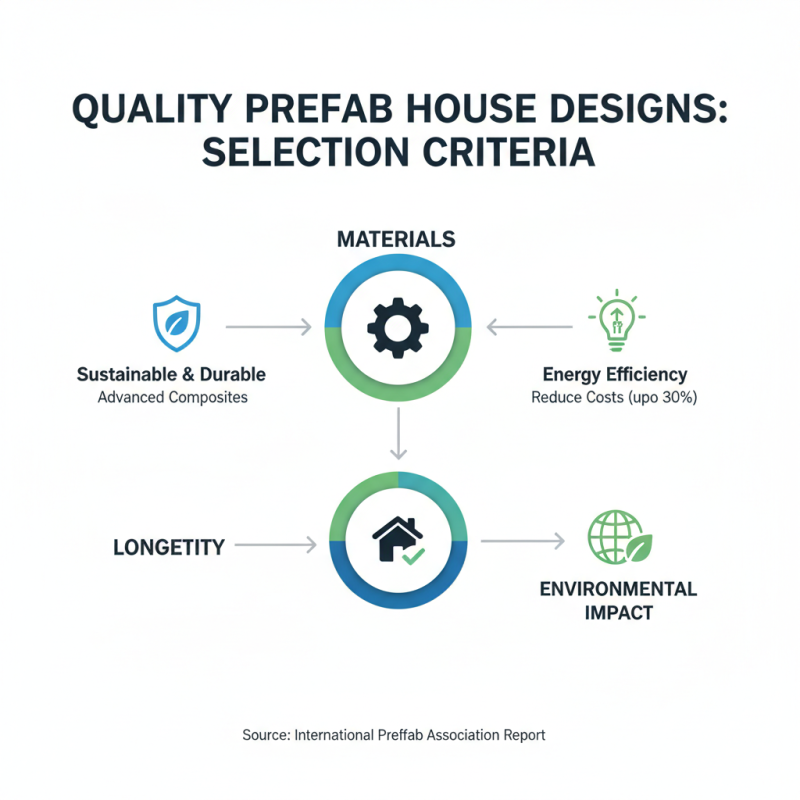
When selecting quality prefab house designs, several criteria should guide buyers. The materials used in construction play a crucial role. High-quality materials ensure longevity and energy efficiency. According to a recent report by the International Prefab Association, homes made with advanced composites can reduce energy costs by up to 30%. This insight emphasizes the importance of choosing sustainable materials.
Design flexibility is another essential factor. Buyers should look for designs that offer customization options. This allows for personal expression while also adapting to specific site conditions. However, not all prefab options provide adequate flexibility. A 2022 survey revealed that 45% of buyers felt their choices were limited.
Finally, consider the builder’s reputation. A manufacturer with a track record of successful installations ensures reliability. Verification of certifications and customer testimonials can aid in making informed decisions. Yet, it's vital to recognize that even reputable builders can have downsides. Communication issues may arise, potentially causing delays. These reflections serve as crucial reminders for anyone navigating the prefab housing market.
Innovative Features in Modern Prefab House Designs
Modern prefab house designs are redefining our living spaces. These homes feature a blend of functionality and aesthetics, appealing to buyers worldwide. One innovative aspect is their eco-friendly materials. Many designs incorporate recycled or sustainable resources. This choice enhances the home’s environmental footprint while promoting healthier living conditions.
Tips: Consider energy-efficient windows. They help reduce heating and cooling costs. Each small change contributes to a greener lifestyle.
Smart technology is another exciting feature in these homes. Many prefab designs are equipped with smart home systems. This includes automated lighting and heating controls. Convenience meets efficiency in these setups. However, keeping up with rapidly-changing technology can be challenging.
Tips: Ensure compatibility with existing gadgets. Sometimes, not all devices work seamlessly together. Research is essential before investing in technology.
Finally, consider the layout flexibility of modern prefab houses. Many designs offer open floor plans, allowing for personalized spaces. This adaptability is appealing. Yet, while customization is exciting, it may lead to decision fatigue. Balancing creativity and practicality is vital to achieving the perfect home environment.
Top 10 Prefab House Designs Loved by Global Buyers
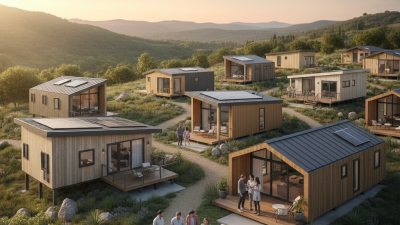
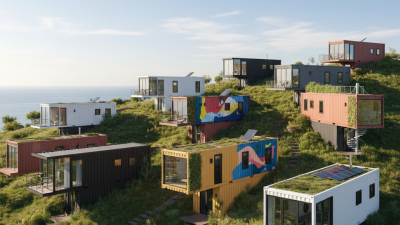
Prefab homes have gained immense popularity among global buyers. They offer modern designs and efficient construction. Many designs emphasize sustainability and energy efficiency. Buyers appreciate how these homes can blend into various landscapes. Whether in urban settings or rural areas, there’s a style for everyone.
One standout feature is the modular approach. Homeowners can customize layouts based on their needs. This flexibility appeals to families and individuals alike. However, some buyers may find decision-making overwhelming. Choosing finishes and designs can be challenging. It's crucial to reflect on personal preferences and future needs.
Another key aspect is affordability. Prefab houses often provide a competitive price point. Yet, some buyers worry about quality. Concerns arise regarding materials and construction methods. Research and thorough inspections are vital. Engaging with reputable builders can enhance buyer confidence. Ultimately, the right choice balances design, quality, and budget.
Sustainability Trends in Prefabricated Housing Solutions
Sustainability is central in today's prefab housing market. Prefabricated homes are gaining traction due to their environmental advantages. According to a report by IBISWorld, the global prefabricated housing market is projected to reach $14 billion by 2026, driven by increasing demand for sustainable solutions.
Prefab homes significantly reduce waste during construction. They are built in controlled environments, allowing for better management of materials. A study from the National Association of Home Builders (NAHB) indicates that prefabricated homes produce up to 60% less construction waste than traditional homes. This statistic highlights the efficiency of assembly line techniques in producing quality housing with minimal environmental impact.
Additionally, energy efficiency is a crucial aspect of these homes. Many prefab designs incorporate sustainable materials and energy-efficient systems. A report by the U.S. Department of Energy states that energy-efficient homes can reduce energy use by over 30%. While prefabricated homes offer numerous benefits, some challenges remain. Their perceptions may vary across regions. Local zoning laws can complicate design implementation. This inconsistency may lead investors to question the overall viability of prefab housing as a universally accepted solution.
Top 10 Prefab House Designs for Global Buyers Seeking Quality
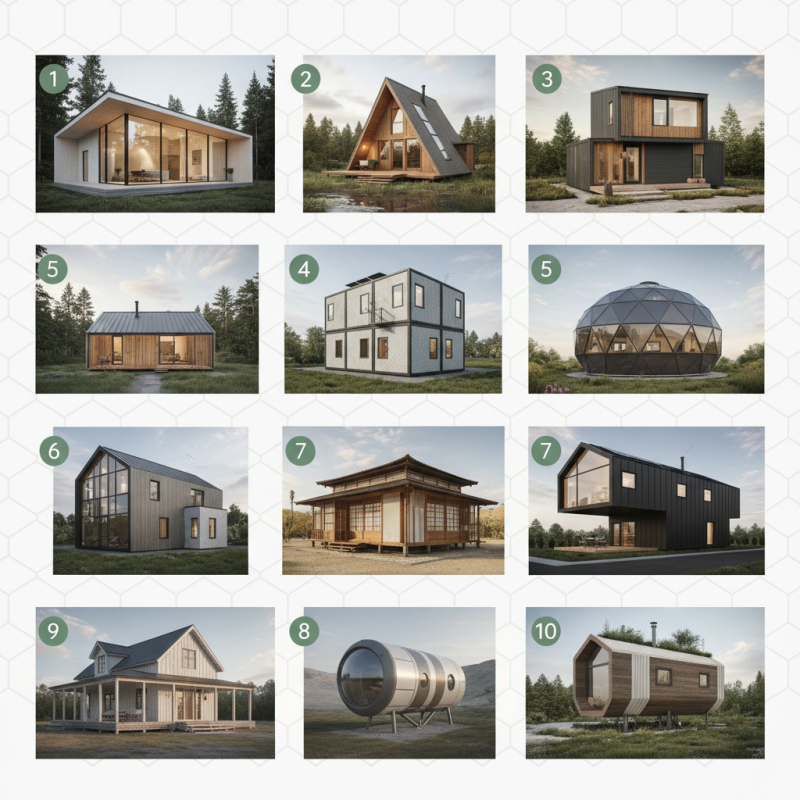
This chart showcases the popularity scores of the top 10 prefab house designs, highlighting the trends in sustainability and quality that global buyers are seeking in prefabricated housing solutions.

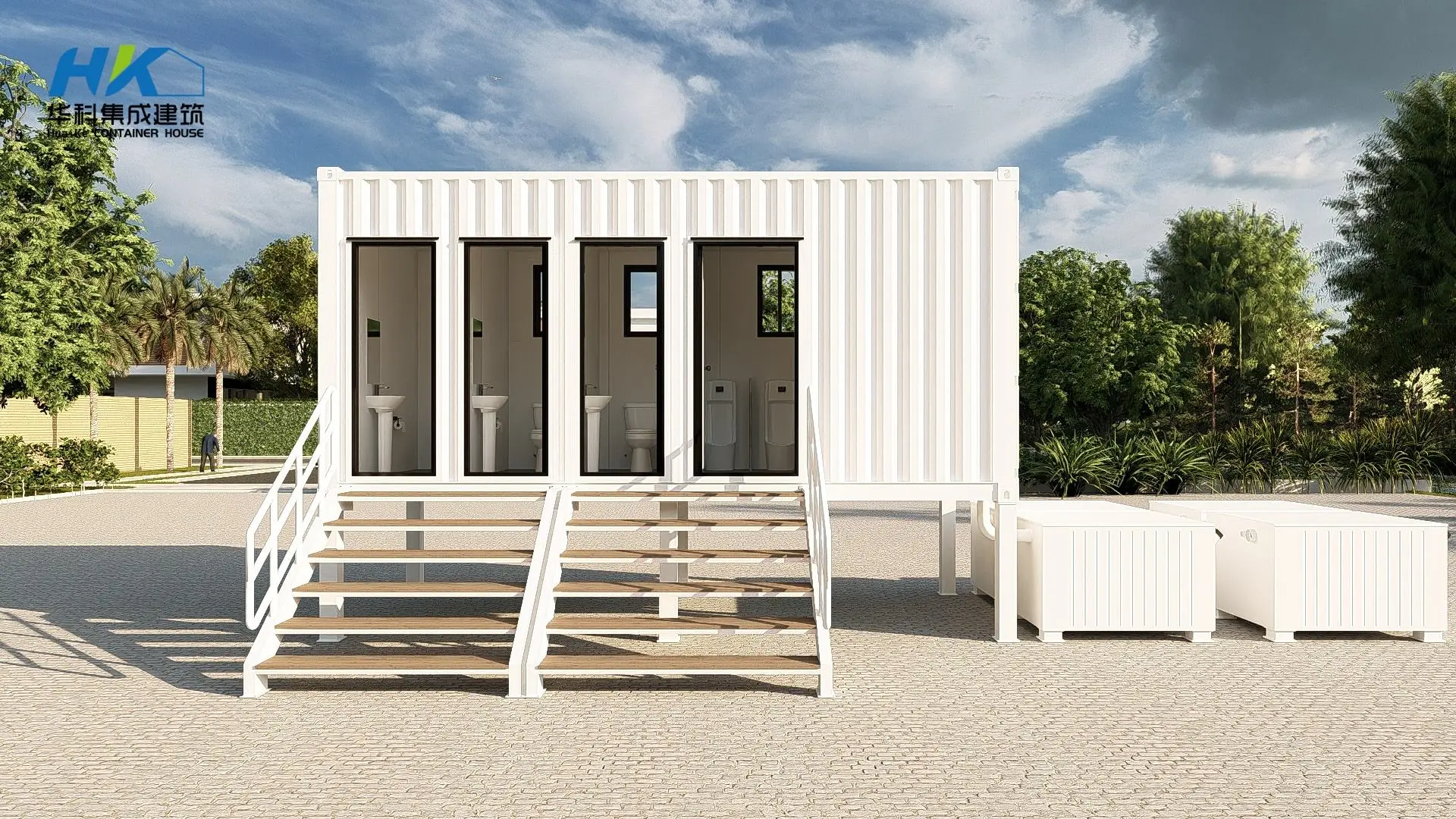 Contianer Toilet