Best Prefabricated House Designs for Affordable Living?
The demand for affordable housing has led to a surge in interest in prefabricated houses. According to a recent report by the Affordable Housing Institute, the prefabricated house market is expected to grow by 15% annually. This trend is primarily driven by rising construction costs and the need for quick housing solutions.
Experts like Dr. Emily Wang, a leading researcher in the prefabricated housing sector, emphasize its potential. "Prefabricated houses can address housing shortages while remaining cost-effective and sustainable," she states. However, not all designs come without concerns. While these homes are built efficiently, questions about long-term durability and zoning restrictions continue to arise.
Many consumers are drawn to the modern designs and eco-friendly materials of prefabricated houses. Yet, there are challenges. Often, buyers are unfamiliar with the extensive customization options available. Some feel overwhelmed by permits and regulations. As the industry evolves, it's crucial for stakeholders to address these hurdles while promoting the benefits of prefabricated houses.
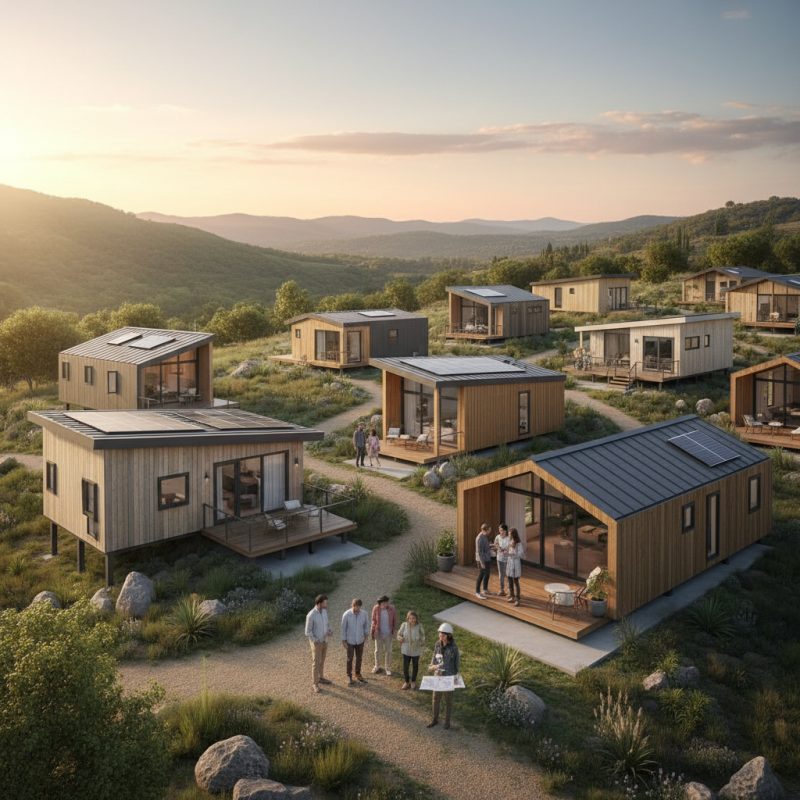
Overview of Prefabricated House Designs and Their Advantages
When considering affordable living solutions,
prefabricated house designs
stand out. These homes offer quick assembly and reduced labor costs. According to a
2021 report by the National Association of Home Builders (NAHB),
prefabricated homes can save homebuyers up to 20%
compared to traditional construction. This is a significant figure for anyone seeking
budget-friendly options.
One big advantage of prefabricated homes is energy efficiency.
Many designs include modern insulation and sustainable materials, enhancing energy savings.
The U.S. Department of Energy notes that energy-efficient homes
can reduce utility bills by 30%. This not only benefits
the environment but also provides ongoing financial relief for homeowners.
Tips: When choosing a prefabricated design, consider local zoning laws. Not all areas welcome
these structures. Also, think about future needs. Sometimes, smaller homes can feel cramped
as families grow. A well-planned layout can make a difference. Finally,
aesthetic choices matter, too. A good design
should be visually appealing while remaining functional.
Key Features of Affordable Prefabricated Homes for Budget-Conscious Buyers
Affordable prefabricated homes offer smart design solutions for budget-conscious buyers. Many options exist today, each showcasing creativity and functionality. Compact layouts maximize space, ensuring every square foot serves a purpose. For instance, open-concept designs make small areas feel larger. This clever arrangement encourages natural light, creating an inviting atmosphere.
Energy efficiency is another crucial feature of these homes. High-quality insulation keeps costs down and comfort up. Solar panels can reduce energy bills significantly. However, the initial investment might seem daunting for some buyers. It's a balance between upfront costs and long-term savings. Additionally, some designs might lack customization options, limiting personal expression.
Sustainability is a central theme in many prefabricated homes. Materials used often prioritize eco-friendliness, contributing to lower environmental footprints. Although the focus on affordability sometimes compromises aesthetics, many buyers find beauty in simplicity. It's about finding that rare blend of practical and appealing. Each choice shapes the true essence of these homes, inviting reflection on what truly matters in our living spaces.
Popular Styles of Prefabricated Houses for Sustainable Living
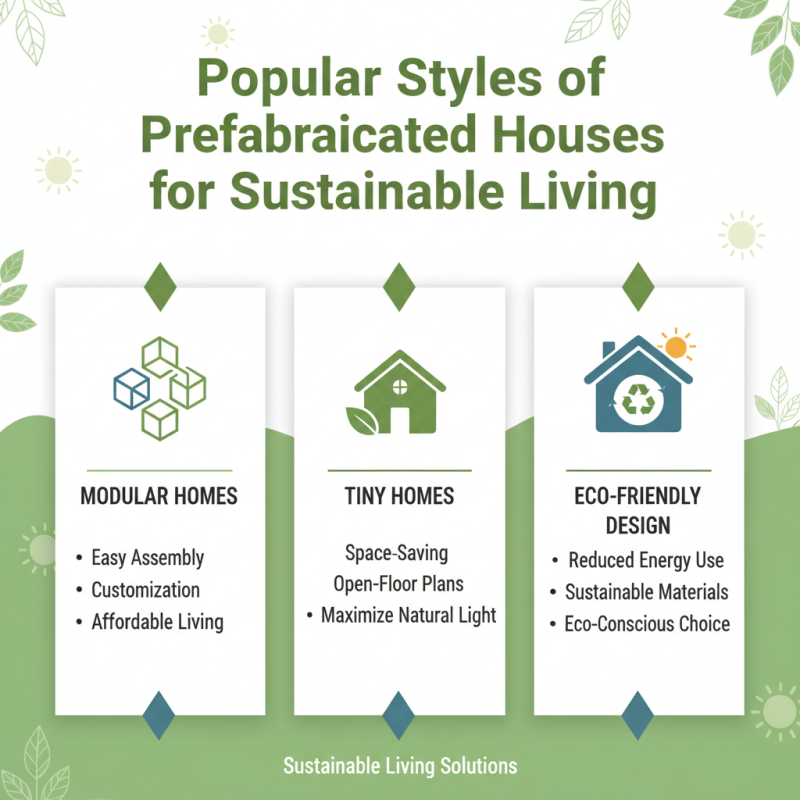
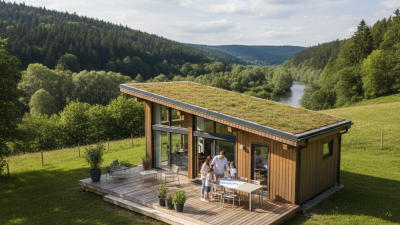
When it comes to affordable living, prefabricated houses offer intriguing designs. These homes are often modular, allowing for easy assembly and customization. Popular styles include tiny homes, which utilize space efficiently. They often feature open floor plans that maximize natural light. This approach reduces reliance on artificial lighting, making them an eco-friendly choice.
Another appealing option is the shipping container house. They are sturdy and surprisingly versatile. Many use recycled materials, creating a unique character. However, they can also present challenges. Insulation and ventilation must be carefully considered to ensure comfort. The aesthetic can sometimes feel industrial, which might not suit everyone’s taste.
Sustainable living goes beyond design; it requires thoughtful planning. Green roofs and solar panels become practical additions in many designs. Still, the construction process can be rushed, leading to overlooked details. Maintaining airflow and energy efficiency must be prioritized. As the popularity of prefabricated homes grows, so does the need for sustainable solutions that truly meet residents' needs.
Factors to Consider When Choosing a Prefabricated Home Design
When choosing a prefabricated home design, several factors come into play. The size and layout of the home are crucial. Think about the number of rooms you need. Do you want an open-plan space? Consider how each area will flow together. A cramped layout can feel suffocating. Depending on your lifestyle, a well-thought-out design is essential.
Another aspect is energy efficiency. Many designs offer sustainable features, but not all. Look for homes with good insulation. Check if they use eco-friendly materials. While they may cost more upfront, they save money long term. Also, think about orientation. The direction the home faces affects heating and cooling. Unforeseen issues can arise if not planned well.
Budget constraints often impact choices. Set a realistic budget and stick to it. Avoid the temptation to overspend. Alterations during construction can lead to unexpected costs. A home should reflect your taste but also be practical. Regularly reassess your priorities. Finding the right balance can be challenging, but it’s essential for a fulfilling living space.
Best Prefabricated House Designs for Affordable Living
This chart displays various factors to consider when choosing a prefabricated home design, along with their ratings on a scale from 1 to 10. Cost efficiency and construction time are the top-rated factors, making them crucial for affordable living.
Cost-Effective Solutions for Customizing Prefabricated House Interiors
When it comes to prefabricated houses, affordability is a key factor. Customizing interiors can significantly impact costs. HomeAdvisor reports that prefabricated homes can save homeowners up to 15% compared to traditional builds. These savings can be channeled into customization, elevating the home's aesthetic while remaining within budget.
Consider focusing on essential areas first. Kitchens and living rooms often require more investment due to their functionality. A well-designed kitchen can yield a 70% return on investment, according to the National Association of Realtors. Opt for open-plan designs to maximize space and light, creating a more welcoming atmosphere without extensive renovations.
Tip: Use multi-functional furniture to make small spaces work smarter. Foldable tables and modular sofas can save space and money.
While customization offers many benefits, it’s crucial to balance aesthetics and practicality. Some designs may look appealing but fail to meet the needs of everyday living. Don't hesitate to rethink spaces that might feel cramped. Flexibility can enhance comfort, ensuring that your prefab home serves your lifestyle effectively.

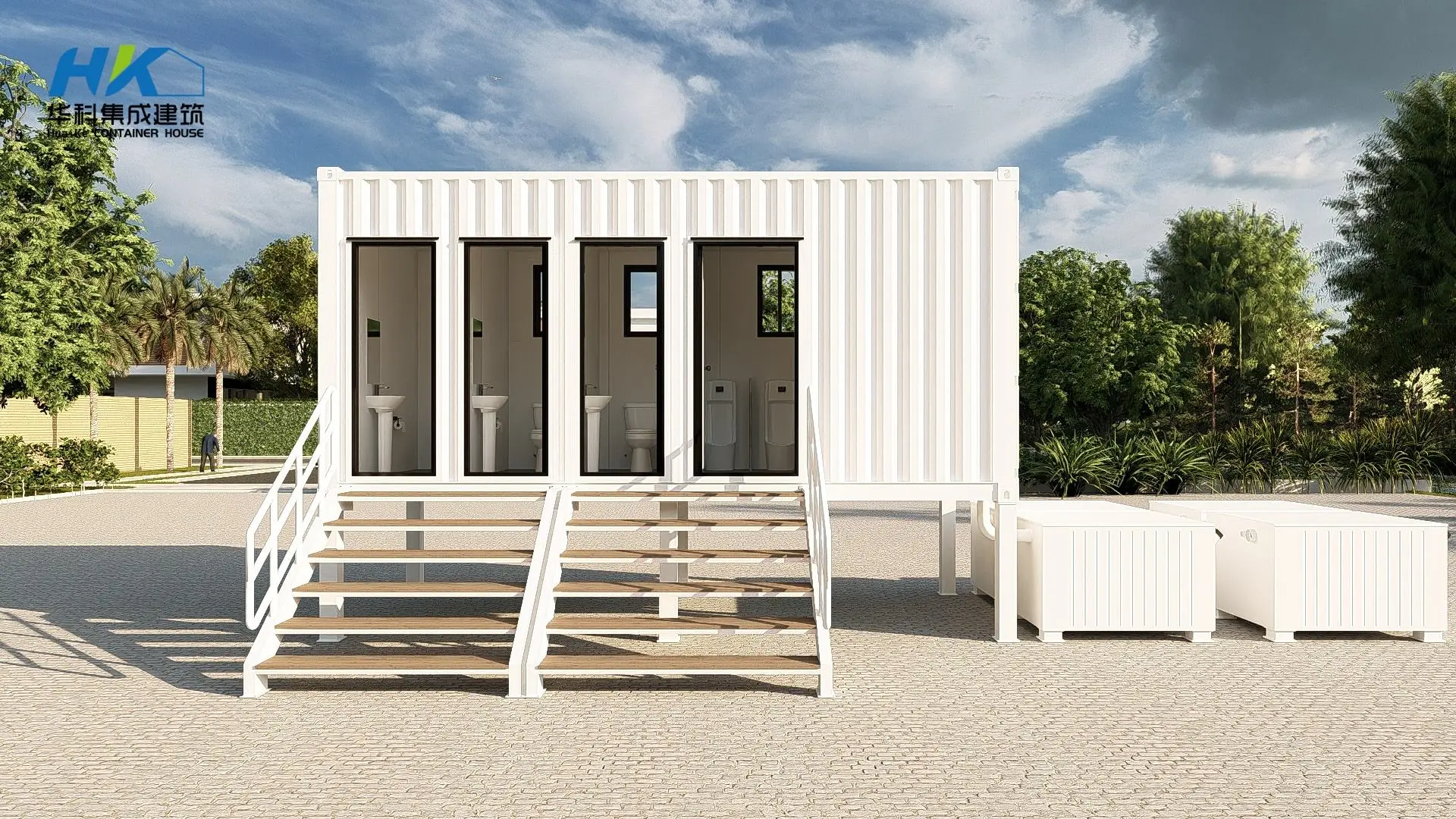 Contianer Toilet