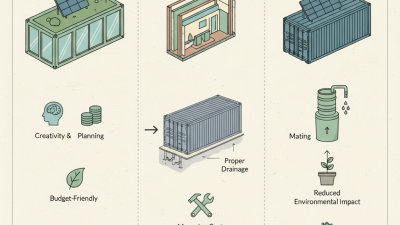
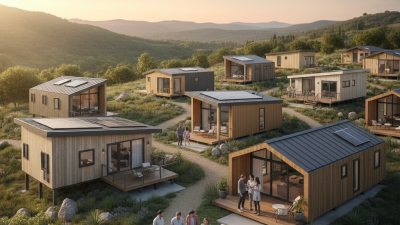
Why Choose a Prefabricated House for Your Next Project?
When considering your next building project, a Prefabricated House stands out as a practical option. This construction method has gained popularity due to its cost-effectiveness and speed. Many people appreciate the streamlined process of assembling a Prefabricated House. Additionally, these homes often offer unique designs that cater to various tastes.
Choosing a Prefabricated House involves understanding many factors. It’s important to evaluate your specific needs, budget, and location. While these houses can be assembled quickly, they still require careful planning. Some may find the initial process daunting. However, with the right knowledge, it becomes manageable.
The benefits of a Prefabricated House are significant, yet it's crucial to approach the decision thoughtfully. Each project presents its own challenges. Understanding the long-term implications of your choice can result in greater satisfaction. Reflecting on what you want from your home can guide you toward making the best choice.
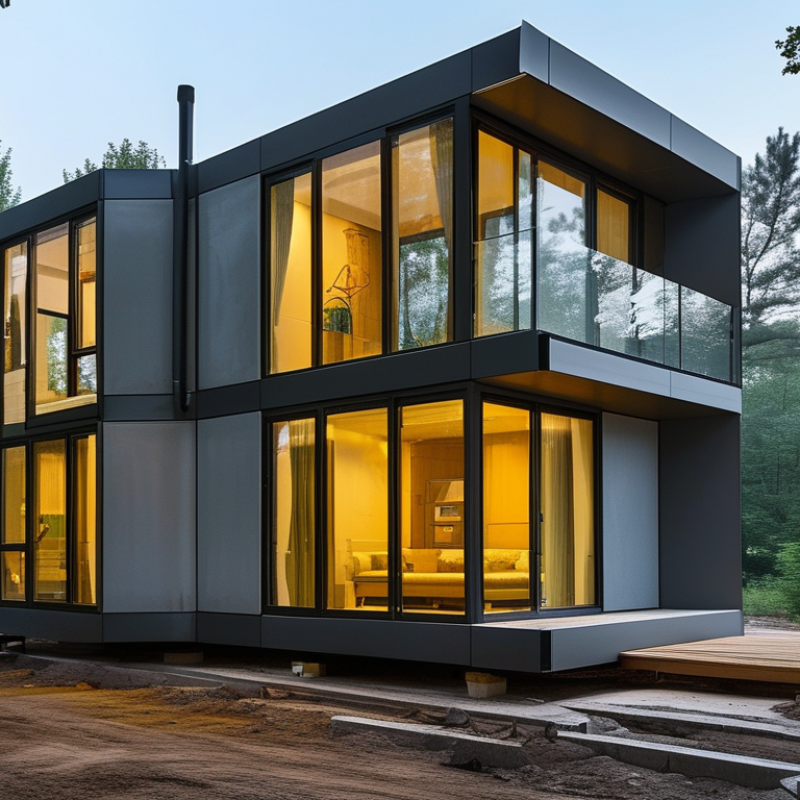
Benefits of Prefabricated Houses Compared to Traditional Construction
Prefabricated houses are gaining traction for numerous reasons. They are typically manufactured in factories, leading to faster construction timelines. According to a recent report from the National Association of Home Builders, prefabricated homes can be built 30% quicker than traditional houses. This speed can be critical for buyers looking to minimize waiting periods. Additionally, streamlined logistics reduce labor costs, which can translate into savings for homeowners.
One of the key advantages is sustainability. Prefabricated homes often generate less waste during construction. A study from the Environmental Protection Agency indicates that traditional construction creates about 8,000 pounds of waste per home. In contrast, prefabricated building techniques can reduce material waste by up to 50%. This not only benefits the environment but can also make financial sense for developers concerned with resource efficiency.
Energy efficiency is another factor to consider. Many prefabricated homes are built to higher energy standards than older, traditionally constructed homes. The U.S. Department of Energy reports that modern prefabricated models can save homeowners up to 20% on energy costs annually. However, achieving optimal energy efficiency sometimes requires specific design choices that might not always align with every homeowner's vision. Balancing personal preference with energy-efficient design can be a challenge, but the potential long-term savings are significant.
Advantages of Prefabricated Houses Compared to Traditional Construction
This bar chart illustrates the key benefits of prefabricated houses compared to traditional construction methods. Each category represents a significant advantage that can impact the decision-making process for your next building project.
Cost-Effectiveness: Saving Time and Money with Prefabrication
Prefabricated houses have emerged as a smart choice for many construction projects. In terms of cost-effectiveness, these homes can save significant amounts of money and time.
Construction often begins in a factory setting, where skilled workers assemble components efficiently. This process reduces labor costs, as fewer workers are needed on-site. Additionally, building materials are often purchased in bulk, leading to lower overall expenses.
The speed of construction is another advantage. Traditional homes can take months, even years, to complete. Prefabricated houses are ready to move in within weeks. This rapid turnaround allows homeowners to save on rental costs or temporary housing. However, it’s crucial to consider site preparation, which can still take time. Proper planning ensures that delays are minimized.
While cost savings are appealing, not all prefabricated homes maintain high quality. It is important to research and select a reputable builder. Some prefabricated options may lack diversity in design. Customization might be limited. These are valid concerns that warrant attention.
Nonetheless, for many, the benefits of time and money savings outweigh potential downsides.
Customization Options: Tailoring Prefabricated Designs to Your Needs
Customization is a standout feature of prefabricated houses. Homeowners can tailor designs to fit their unique needs. Choose from various layouts, materials, and finishes. This flexibility allows you to express personal style. Each home can reflect who you are.
Imagine a bright kitchen with ample storage. Picture a cozy living space filled with natural light. These details matter. They contribute to a sense of well-being. However, customization can also come with challenges. Balancing creativity and functionality is essential. Not every idea will work in practice. It requires patience and careful planning.
Work closely with professionals during the design phase. They can offer insights on feasible options. Sometimes, a dream layout might need adjustments. Embrace this iterative process. It often leads to better solutions. The goal is to create a space that feels just right. Your comfort and satisfaction are paramount.
Sustainability and Environmental Impact of Prefabricated Homes
Prefabricated homes are becoming increasingly popular due to their sustainability. They offer a significant reduction in waste during construction. Traditional building methods can lead to excess materials ending up in landfills. In contrast, prefabrication minimizes this impact. Components are often crafted in controlled environments, which leads to more efficient use of resources.
The materials used in prefabricated houses are frequently environmentally friendly. Many builders opt for sustainable, energy-efficient products. These choices contribute to a lower carbon footprint overall. Moreover, the construction process is typically faster, resulting in reduced energy consumption on site. However, it’s crucial to question how sustainable these materials truly are. Not all manufacturers prioritize eco-friendly options.
Understanding the long-term impact is vital. Residents may find that while prefabricated homes conserve resources during construction, the energy efficiency ratings vary. A house that is energy-efficient today may not be so in a decade. Continuous improvement in green technologies can help address such concerns. It’s essential to remain informed and critical about the choices made in the building process.
Speed of Construction: How Prefabricated Houses Accelerate Project Delivery
Prefabricated houses are rapidly changing the construction landscape. They are designed and built in a factory, which drastically reduces construction time on-site. With traditional builds, weather can delay progress. Prefabricated homes, however, are constructed indoors. This method shields projects from rain, snow, and other unpredictable elements. As a result, the speed of construction increases significantly.
Tips: Choosing a reliable prefab builder can enhance project delivery. Research their past projects and client reviews. Look for companies with sustainability practices. They often prioritize quality and efficiency, crucial for reliable outcomes.
Prefabricated houses also allow early project completion. Homeowners can move in sooner than traditional builds allow. However, some might underestimate the importance of site preparation. While the house arrives ready-to-assemble, proper groundwork is essential. This can lead to delays if not addressed early in the process.
Tips: Always consider zoning laws. Check if your location has restrictions on prefab structures. Knowing these regulations can save time and unexpected costs later. Emphasizing team communication can bridge gaps. Efficient coordination with engineers and builders is key to accelerating timelines.
Why Choose a Prefabricated House for Your Next Project? - Speed of Construction: How Prefabricated Houses Accelerate Project Delivery
| Feature |
Traditional Construction |
Prefabricated Houses |
Time Saved (Days) |
| Construction Time |
6-12 months |
1-3 months |
120-270 days |
| Labor Intensity |
High |
Moderate |
60 days |
| Construction Weather Dependency |
High |
Low |
N/A |
| Quality Control |
Variable |
Consistent |
N/A |
| Environmental Impact |
Higher waste |
Lower waste |
N/A |

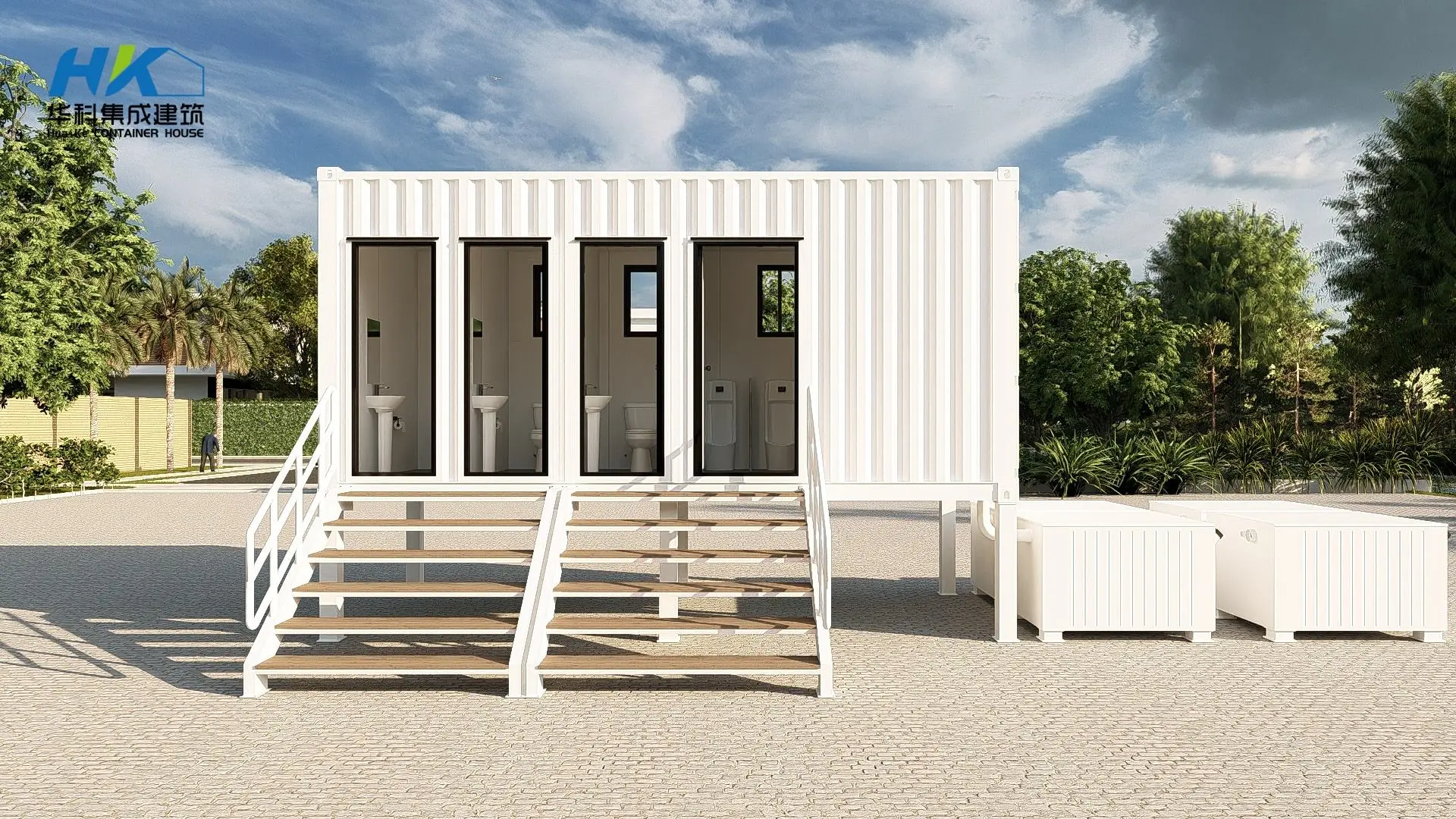 Contianer Toilet