Top Benefits of Prefabricated House for Modern Living Solutions?
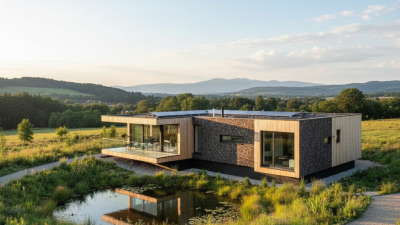
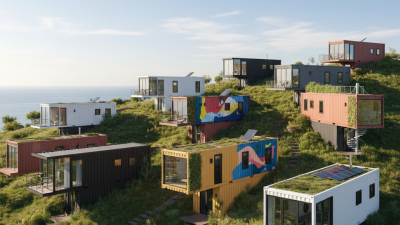
In today’s fast-paced world, the demand for efficient living solutions is rising. A Prefabricated House offers a unique approach to modern housing. These structures are built in sections off-site, which can significantly reduce construction time. This method allows for higher quality control and less waste.
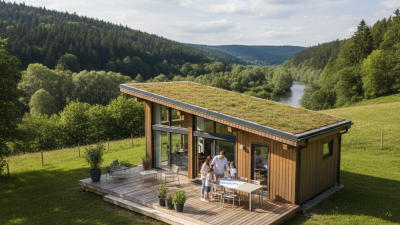
Consider the environmental benefits of a Prefabricated House. Less material waste during construction leads to a smaller carbon footprint. Additionally, many companies use sustainable materials in their designs. This can create a more eco-friendly living space. However, it’s essential to ensure that these materials meet safety standards.
While the advantages are clear, there can be challenges. Homebuyers may feel apprehensive about the perceived quality of prefabricated structures. It's vital to seek reputable manufacturers known for their durability. Understanding the long-term value of a Prefabricated House requires thorough research. Balancing cost, quality, and design is crucial in making the right choice for modern living.
Key Features of Prefabricated Houses in Modern Architecture
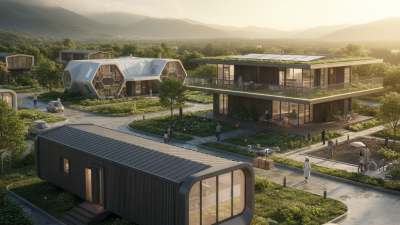
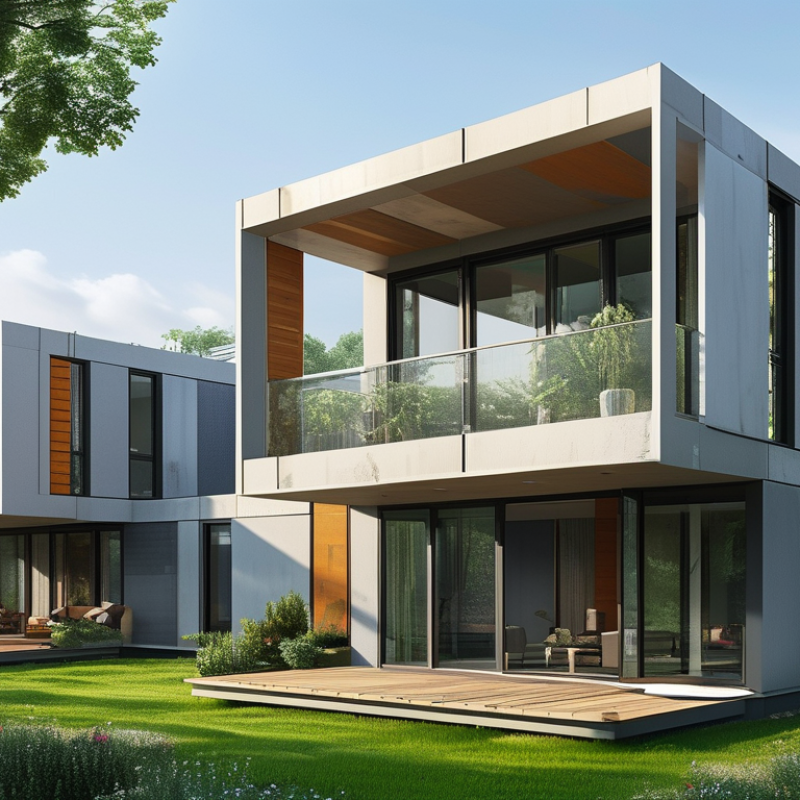
Prefabricated houses are changing the landscape of modern architecture. They offer unique features that resonate with today’s lifestyle. One key aspect is sustainability. According to the United Nations Environment Programme, buildings account for about 39% of global carbon emissions. Prefabricated houses often use sustainable materials and can reduce waste by up to 30% during production. This highlights their role in promoting green living.
Another significant feature is their speed of construction. Traditional homes may take months to complete. In contrast, prefabricated houses can be constructed in weeks. A report from McKinsey & Company states that prefabricated construction can accelerate project delivery by up to 50%. This efficiency helps address housing shortages in urban areas.
However, the prefabrication industry faces challenges. Quality control can sometimes be inconsistent. Potential issues may arise in design flexibility and site integration. As demand increases, businesses must prioritize quality and innovation. Understanding these complexities will be essential for future developments in prefabricated housing.
Cost-Effectiveness of Prefabricated Homes Compared to Traditional Construction
Prefabricated homes are gaining popularity for many reasons, especially their cost-effectiveness. Building a modular home can significantly cut down construction expenses. Traditional building methods often involve high labor costs and unpredictable timelines. In contrast, prefabricated homes are built in a controlled factory environment, minimizing delays and waste. You might see savings of up to 20-30% compared to conventional houses.
One major benefit is reduced construction time. Most prefabricated homes can be assembled in weeks, not months. This efficiency doesn't just save money, but also offers flexibility for homeowners. However, not every factory-built home is the same. Some designs may have limitations. It's wise to assess your needs and explore various options before settling on a design.
**Tips:** When considering a prefabricated home, do thorough research on different manufacturers. Look for reviews and ratings as these offer insights into quality and reliability. Also, think about customization options. While most prefabricated homes come with standard layouts, many allow for tailored features. This can enhance both functionality and personal style.
Time Efficiency in Building Prefabricated Houses for Quick Occupancy
Prefabricated houses are transforming the way we think about building homes. One of the most compelling benefits is time efficiency. Traditional construction often takes months, or even years. Prefabricated houses can be completed in a matter of weeks. This speed allows homeowners to move in sooner. Quick occupancy meets the rising demand for housing in urban areas.
The design and assembly process is highly streamlined. Components are manufactured off-site, reducing weather-related delays. Skilled teams can then assemble these parts rapidly. However, this method is not without challenges. Not every locality can accommodate the necessary transportation of prefabricated elements. Some limitations might arise in customization options during the process.
In summary, prefabricated houses provide a modern solution for rapid living. They cater to the need for speed without compromising on quality. But it's crucial to consider local regulations and site suitability. Each project is unique and requires careful planning.
Sustainability and Environmental Benefits of Prefabricated Housing
Prefabricated housing offers significant sustainability benefits that resonate with modern living. These homes are usually constructed off-site, which minimizes waste. A factory setting allows for precise measurements and reduces errors. This efficiency means fewer raw materials go to waste, making it an eco-friendly option.
Additionally, prefabricated homes can integrate sustainable materials. Many use recycled or sustainably sourced products. This not only lowers the carbon footprint but also enhances the home’s energy efficiency. Such homes often come with optimized designs that improve insulation. This leads to lower energy consumption, reducing costs and environmental impact.
However, some may question the long-term impact of prefabricated housing. What happens after years of use? Are the materials truly sustainable? These are crucial questions as more people choose this modern solution. The potential for innovative design and materials exists, but ongoing assessments are necessary to uphold environmental integrity over time.
Top Benefits of Prefabricated House for Modern Living Solutions
| Benefit |
Description |
Environmental Impact |
| Faster Construction |
Prefab homes can be assembled much faster than traditional construction methods, reducing time on-site. |
Less time spent on-site mitigates the environmental disruption to the local ecosystem. |
| Cost-Effective |
Lower labor and material costs compared to conventional building methods. |
Reduced waste as materials are often pre-cut and optimized for use. |
| Energy Efficiency |
Designed with energy-efficient technologies that can lead to lower utility bills. |
Lower carbon footprint over the lifetime of the home due to reduced energy consumption. |
| Customizable Designs |
Many prefabricated homes offer flexible layouts and designs tailored to client needs. |
Promotes sustainable living through designs that maximize natural light and minimize energy use. |
| Sustainability |
Utilizes sustainable materials and practices in the manufacturing process. |
Support for reducing landfill waste and promoting recycling in construction. |
Customization Options Available for Prefabricated Living Spaces
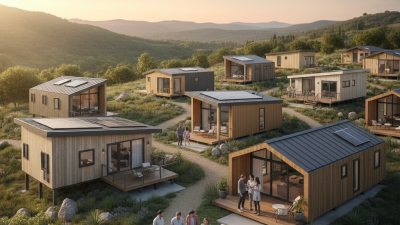
Customization is a significant benefit of prefabricated houses. These homes offer a variety of design options. Homeowners can choose layouts that suit their lifestyle. This flexibility allows for personal touches in every corner of the house. From the size of the rooms to the color of the walls, the possibilities are vast.
Additionally, prefabricated homes can be adapted for specific needs. This means families with children can create safe play areas. Those needing a home office can emphasize functionality in their designs. However, it's important to avoid getting lost in choices. Sometimes too many options can lead to indecision. Balancing personal style with practicality is essential. Each customization should be well thought out, as it impacts long-term satisfaction.
Moreover, sustainability can also guide customization. Many homeowners opt for eco-friendly materials. These selections not only enhance aesthetics but also reduce environmental impact. Considering future needs is crucial as well. An expandable design may save money in the long run. Reflecting on these decisions can lead to a home that truly reflects individual values and lifestyle.

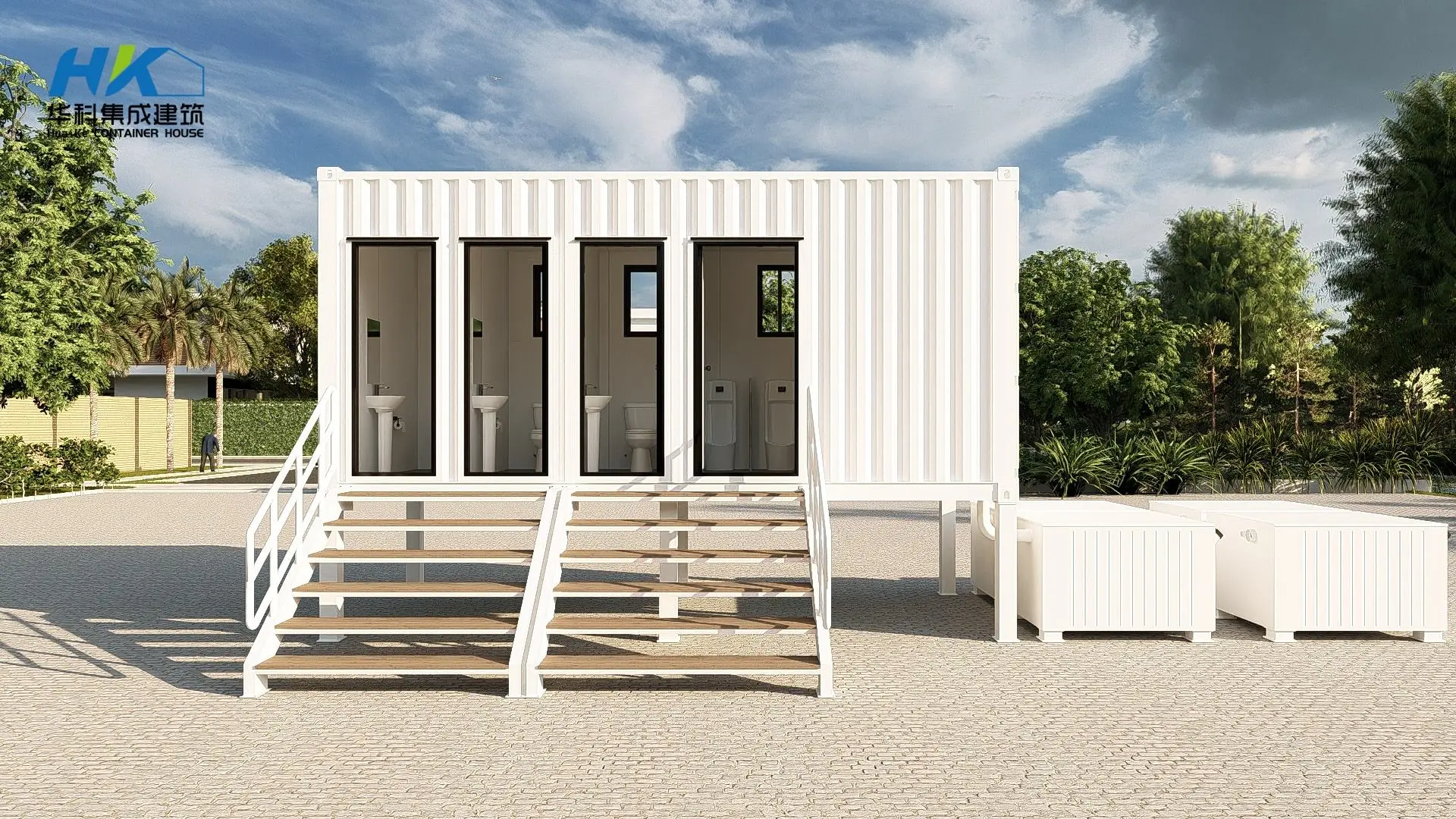 Contianer Toilet