How to Build a Container House on a Budget for Sustainable Living?
The idea of living in a Container House has gained popularity in recent years. It offers a sustainable living solution that many find appealing. Expert architect James Johnson states, "Building a Container House on a budget requires creativity and planning." His insights capture the essence of making the most out of limited resources.
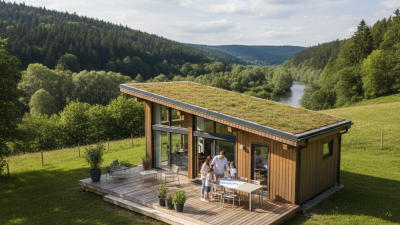
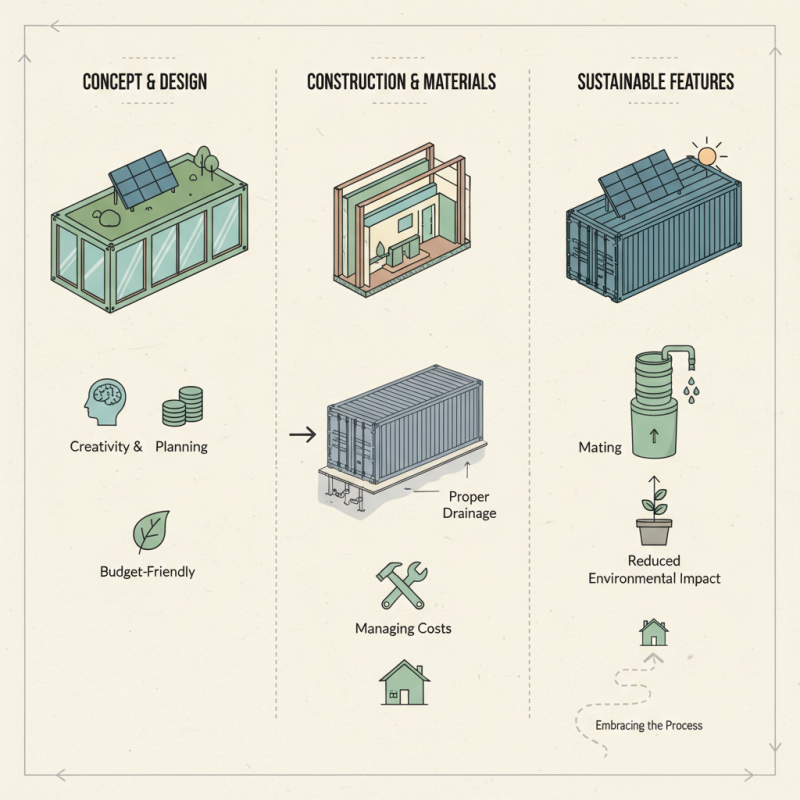
Creating a Container House involves careful consideration of materials and space. These homes can be designed for efficiency and comfort, often with green roofs or solar panels. Yet, the journey is not without its challenges. Sourcing affordable containers and managing construction costs can be daunting.
Many aspire to live sustainably, but the reality can be complex. Some builders overlook the importance of insulation or proper drainage. A well-planned Container House can save money and reduce environmental impact. However, doing it right requires dedication and a willingness to learn from mistakes. Embracing the process leads to discoveries that go beyond mere construction.
Understanding Container Homes: Benefits and Sustainability
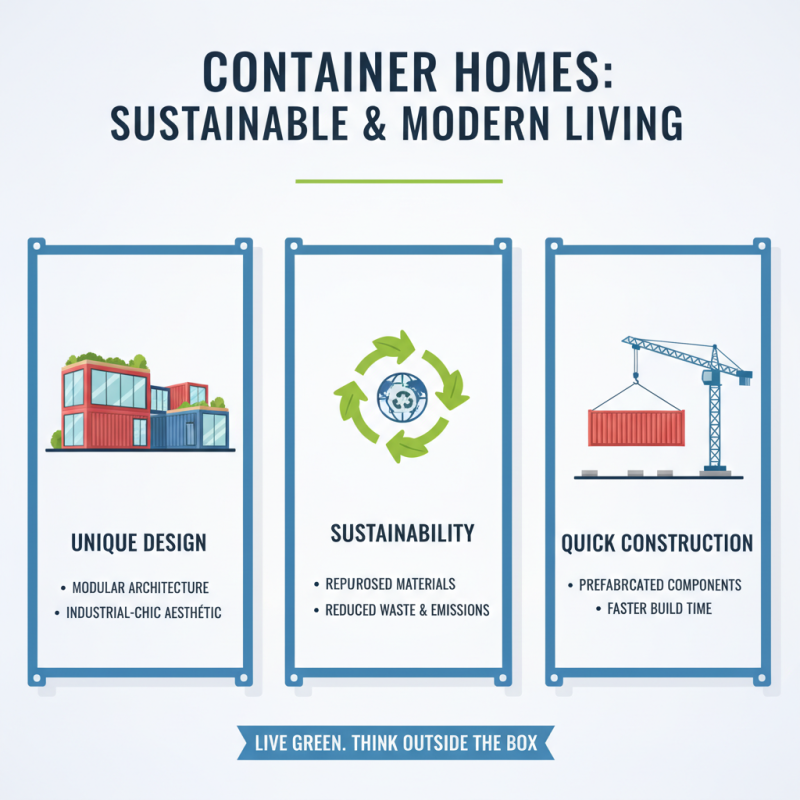
Container homes have gained popularity for their unique design and sustainability. These structures are often made from repurposed shipping containers. This recycling aspect reduces waste and minimizes environmental impact. The use of containers can create a modern aesthetic that stands out.
Living in a container home can lead to lower energy consumption. Many designs incorporate solar panels and rainwater harvesting systems. These elements can greatly reduce utility bills. However, some may overlook insulation needs. Poor insulation can lead to discomfort in extreme temperatures. It's essential to address this early in the planning process.
Container homes can be customized for personal taste. From minimalist designs to vibrant colors, the possibilities are endless. Yet, building on a budget can be challenging. Unforeseen expenses often arise. It’s important to plan carefully and have a contingency fund. Reflecting on what is truly needed can lead to smarter decisions. Embracing imperfection is part of the journey towards sustainable living.
Designing Your Container Home: Key Considerations and Planning
Designing a container home requires careful consideration of various factors. Start with site selection. The land affects not only the cost but also the functionality of your home. According to the Container Owners Association, choosing a level, accessible site can reduce foundation costs by up to 30%. This leads to savings that can be redirected to other essential areas like insulation and interior design.
Next, plan for insulation and ventilation. Container homes can overheat or become too cold, depending on the season. Reports show that proper insulation can cut heating and cooling costs by as much as 50%. Using recycled materials for insulation is an eco-friendly approach that also reduces overall expenses. Yet, many forget to address ventilation needs, leading to potential moisture problems. This oversight may result in long-term damage, which could negate initial savings.
Finally, consider the layout and functionality of the space. Open floor plans can maximize natural light and create an illusion of space. However, balancing aesthetics with practicality is key. A poorly planned layout can lead to wasted space and inefficiency. Reflecting on your daily needs will help in creating a home that feels personal and welcoming.
Budgeting for Your Container House: Cost-Saving Tips and Strategies
Building a container house on a budget requires careful planning and creative strategies. Start by researching the costs of used containers. They can vary significantly. Often, local suppliers have competitive pricing. Look for deals in your area. A little time spent searching can lead to big savings.
Next, consider the design of your container home. Keep it simple. Open floor plans reduce costs. Limit complex shapes. Each additional feature can add to your expenses. Choose functional but affordable materials for interior finishes. Reclaimed wood and repurposed items can save money and add character.
Think about DIY approaches. You can tackle many tasks yourself, from painting to landscaping. This not only cuts costs but also makes the project more personal. However, be realistic about your skills. Hiring professionals for electrical or plumbing work may be necessary. It’s crucial to strike a balance between doing it yourself and ensuring safety. Reflect on what you can realistically achieve without overwhelming yourself. Planning is key to a successful, budget-friendly container house project.
Building Regulations: Navigating Permits and Local Codes for Container Homes
Building a container home is an exciting venture, but navigating building regulations can be tricky. Each location has unique zoning laws and building codes. Understanding these is critical. Local authorities often have specific guidelines about container homes. Some areas require permits even for minor alterations. Start by researching your local government's website for regulations.
Consider engaging with your local building department. They can provide insights into necessary permits. Some regions enforce strict height and aesthetic rules. It's wise to ask about inspections and compliance requirements. Preparing for unexpected questions is essential. Sometimes, lack of clarity can lead to delays.
Sustainability is a goal, but legal hurdles can distract from this. Maintain open communication with officials. Document all your interactions and decisions. Expect to face challenges, such as permit rejections or additional fees. Each obstacle forces a reevaluation of your plans. Balancing dreams of sustainable living with regulatory needs is complex yet rewarding.
How to Build a Container House on a Budget for Sustainable Living?
| Aspect |
Details |
| Budget |
$20,000 - $50,000 |
| Average Container Cost |
$2,000 - $5,000 per container |
| Size of Container |
20 ft or 40 ft |
| Sustainable Materials |
Recycled insulation, bamboo flooring |
| Permits Required |
Building permit, zoning compliance |
| Local Building Codes |
Vary by location; check local regulations |
| Utilities Setup |
Water, electricity, sewage management |
| Estimated Construction Time |
3 - 6 months |
DIY vs. Professional Help: Choosing the Right Approach for Your Project
When deciding between DIY and hiring professionals for your container house project, consider your skills and comfort level. DIY can save money, but it requires time and effort. You’ll need tools, materials, and knowledge of construction. Research local building codes; they are crucial for safety and compliance. Think about your schedule too. Can you dedicate weekends or evenings to work?
On the flip side, professional help ensures expertise and proper installation. They can navigate permits and inspections easily. However, this approach can inflate your budget. You might be surprised by unexpected costs. Don't overlook potential delays in scheduling or material shortages. If money is tight, it’s essential to weigh these factors carefully.
Take a moment to reflect on your priorities. Is creativity and personal involvement more important than saving time? Assess your life changes and energy levels. A mix of both approaches might work well. You could complete some simpler tasks yourself and hire pros for complex areas. Consider the balance between effort and outcome before making a choice.

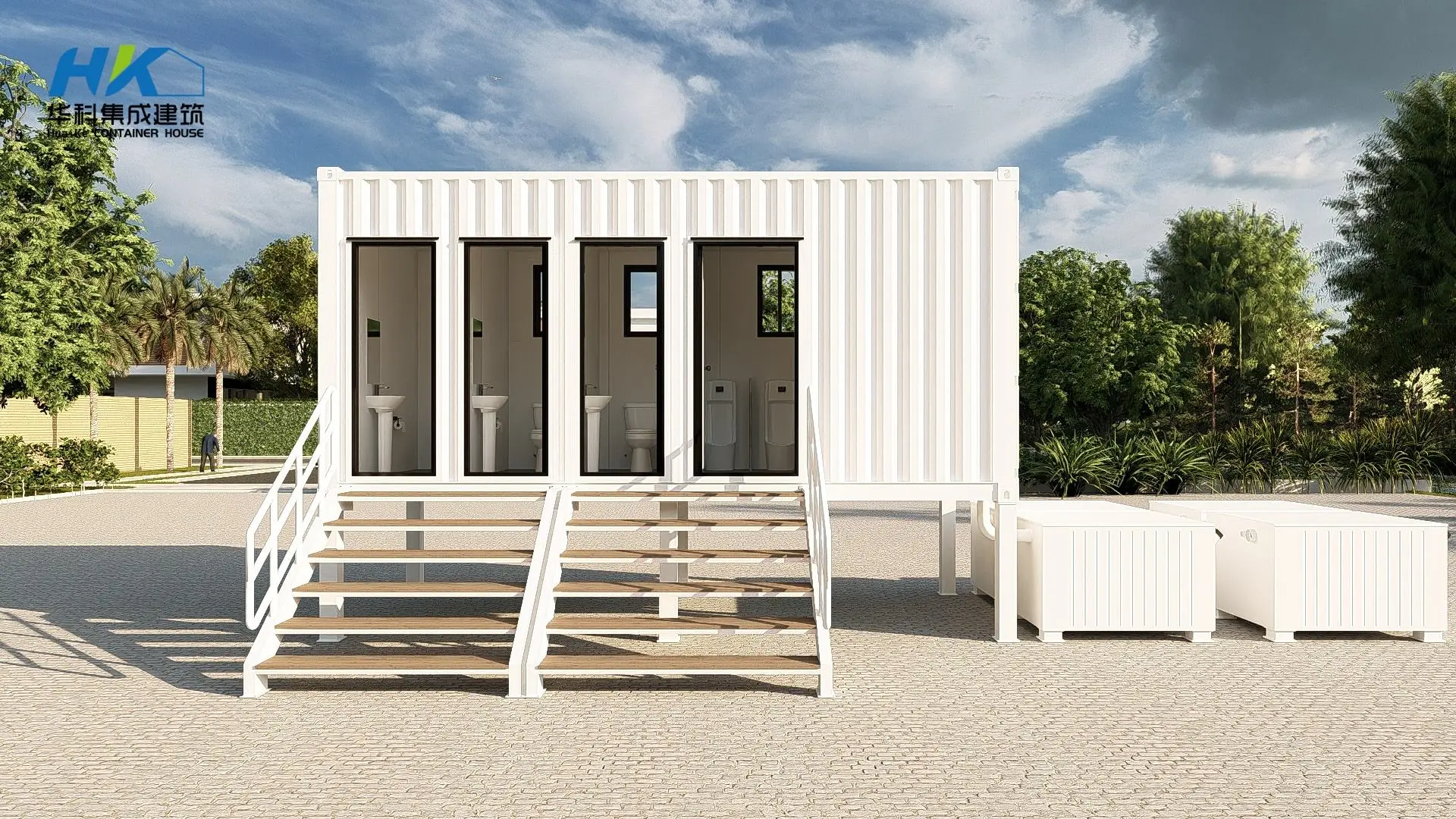 Contianer Toilet