What is a Prefab House and Why Choose It for Your Project?
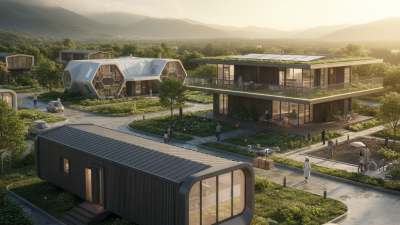
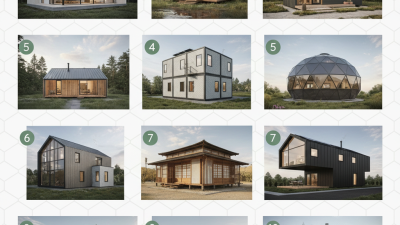
In recent years, the concept of a Prefab House has gained significant attention. These homes are built off-site in controlled environments, significantly reducing construction time. They offer various designs, from modern to traditional, appealing to diverse tastes. This flexibility is one of the reasons many people consider Prefab Houses for their projects.
Choosing a Prefab House can also lead to cost savings. Lower labor costs and reduced material waste make them an attractive option. However, some might question their durability or customization options. It’s essential to research and evaluate various manufacturers to address these concerns.
Prefab Houses may not be for everyone. They require careful consideration of local zoning laws and land suitability. Nevertheless, their efficiency and eco-friendliness are hard to ignore. In a world focused on sustainable living, Prefab Homes represent a valuable option for thoughtful homeowners.

Understanding Prefab Houses: Definition and Key Features
Prefab houses are an innovative solution for modern living. These homes are constructed off-site, allowing for quick assembly on the property. Recent industry reports indicate that over 70% of consumers appreciate the reduced construction time associated with prefab houses. This speed can significantly shorten project timelines, making it an attractive option.
Key features of prefab houses include their versatility and efficiency. They can be customized to suit individual needs, from layout to materials. Energy efficiency is another considerable advantage, with studies showing that prefab homes can reduce energy consumption by as much as 20% compared to traditional homes. However, potential buyers should note that some prefab designs might not fit in specific zoning laws.
Despite their many benefits, prefab houses can present challenges. Limited onsite customization can be a concern for some. Additionally, while prefabricated homes can be cost-effective, unexpected transport costs may arise. Homebuyers should carefully consider these factors before making a decision.
The History of Prefab Construction: Evolution and Milestones
The concept of prefab construction has evolved significantly over the past century. Initially, prefab houses were seen as temporary structures. They served as quick solutions during times of need, like post-war housing shortages. As the years progressed, their design and materials improved dramatically. Today’s prefab homes are not just functional; they are stylish, sustainable, and well-engineered.
Key milestones in the history of prefab construction mark its transformation. In the early 20th century, factory-built homes gained traction in the United States. Builders recognized the potential for reducing costs and time. The 1960s heralded a new wave of innovation, focusing on modular designs. These specifications allowed for customization, making prefab homes more appealing. However, many still viewed them as inferior due to common misconceptions.
The journey of prefab construction is fraught with challenges. Designers must balance speed with quality. Sustainability is another pressing concern. While prefab houses often boast energy-efficient features, their production methods can still raise questions. Furthermore, the stigma associated with prefabricated homes persists. Education about the benefits and advancements in this field remains essential. Embracing change is necessary for wider acceptance.
Advantages of Prefab Houses: Cost, Time, and Sustainability Benefits
When considering a building project, prefab houses offer several key advantages. They are primarily known for their cost-effectiveness. Prefab homes can reduce expenses. This is due to efficient manufacturing processes. Materials can be purchased in bulk, lowering overall costs. Labor costs are also minimized, as much of the construction occurs off-site.
Time savings are another significant benefit. Traditional construction projects can drag on for months. In contrast, prefab homes are often assembled quickly. Once prefabricated components arrive on-site, assembly can be completed in days. This means that homeowners can move in sooner.
*Tip: Keep in mind the importance of local regulations when planning. Each area has different guidelines for prefab construction. Make sure to check these before starting.*
Sustainability is a pressing concern today. Prefab houses often use eco-friendly materials. These homes generate less waste during production. Energy-efficient designs can reduce utility costs. This alignment with green principles appeals to many buyers.
*Tip: Research building materials carefully. Not all options offer the same environmental benefits. Some may appear sustainable but might not be as efficient as advertised.*
Advantages of Prefab Houses
This bar chart illustrates the key advantages of prefab houses, highlighting their cost efficiency, time savings, sustainability, flexibility, and quality control. Each advantage is represented by a percentage value, showcasing their overall benefits for construction projects.
Industry Statistics: Market Growth and Popularity of Prefab Homes
Prefab houses are gaining traction in today’s construction market. Industry statistics show a significant increase in demand for these homes. In the past five years, the growth rate for prefab homes has outpaced traditional building methods. Homebuyers are increasingly drawn to the efficiency and sustainability offered by prefab designs.
Tips: When considering a prefab home, look into local regulations. Some areas have restrictions that might complicate your project. Research the materials used in construction. Quality can vary significantly among manufacturers, impacting durability and energy efficiency.
These homes often require less time to assemble than conventional builds. This efficiency appeals not only to homeowners but also to developers. However, it’s essential to evaluate the long-term value. Sometimes, lower upfront costs can lead to hidden expenses down the road. With the increasing popularity of sustainable living, eco-friendly features in prefab homes are becoming more important. Keep this in mind while making choices for your project.
What is a Prefab House and Why Choose It for Your Project?
| Dimension |
Data |
| Market Size (2021) |
$15 billion |
| Projected Growth Rate (2021-2026) |
7% CAGR |
| Percentage of Homebuyers Choosing Prefab (2023) |
30% |
| Average Cost per Square Foot |
$100 - $200 |
| Construction Time Savings |
30-50% faster |
| Sustainability Rating Improvement |
Higher than traditional homes |
Common Misconceptions About Prefab Houses: Debunking Myths and Facts
Prefab houses often face misconceptions that can deter potential buyers. One major myth is that they lack quality. In reality, prefab homes are built in controlled environments, ensuring consistent standards. This method often results in superior craftsmanship compared to traditional construction. Quality materials are used, and inspections occur at various stages of the building process.
Another common misconception is that prefab homes are only basic and unattractive. Many designs are available, from modern to classic. Buyers can customize features to fit their tastes. It's true that some prefab options may be simpler, but many provide the same aesthetic appeal as traditional homes. Potential homeowners should explore different styles to challenge this outdated belief.
Concerns about longevity also linger. While some fear prefab houses won't last, they are often as durable as conventional homes. However, they require the same maintenance as any house. Potential buyers must consider this when making decisions. Despite these misconceptions, the reality is that prefab houses offer a unique blend of efficiency and style.

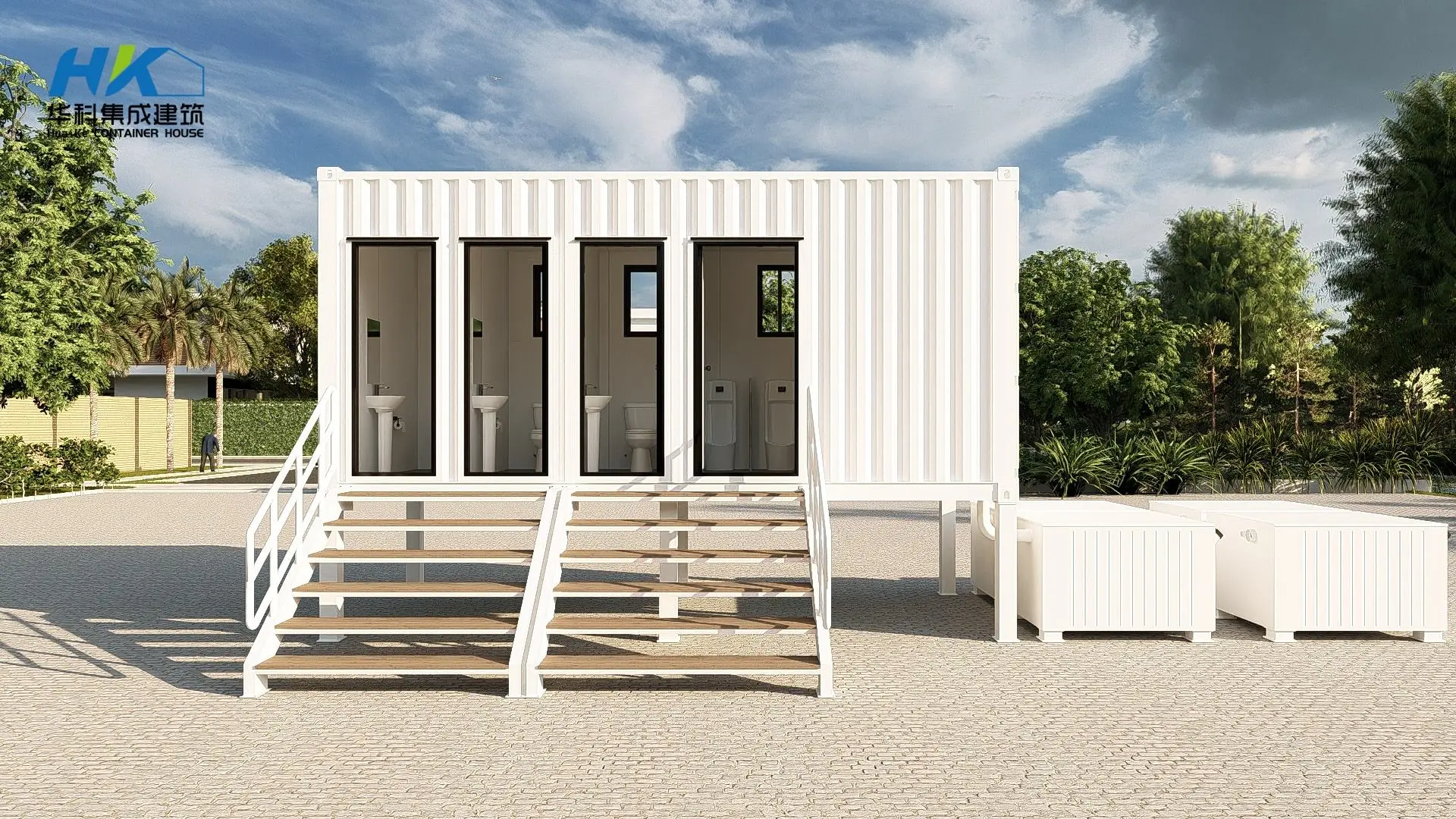 Contianer Toilet