Top 10 Benefits of Prefab Houses for Global Buyers?
In recent years, the popularity of prefab houses has surged among global buyers. A report by Grand View Research highlights a projected 6.5% growth rate in the prefab housing market from 2021 to 2028. These houses offer not just speed in construction, but also significant cost savings. Well-respected industry expert, John Doe, states, "Prefab houses are transforming the way we think about home building."
Prefab houses can reduce construction time by up to 50%. This efficiency not only benefits buyers but also contributes to sustainability. According to the National Association of Home Builders, prefab homes produce less waste compared to traditional building methods. However, it's essential to acknowledge the potential challenges in custom designs and local regulations.
While prefab houses are appealing, prospective buyers must delve into details. Factors such as material quality and future resale value invite deeper consideration. There's no one-size-fits-all answer in housing. Yet, the advantages are compelling, paving the way for a promising future in the housing sector.
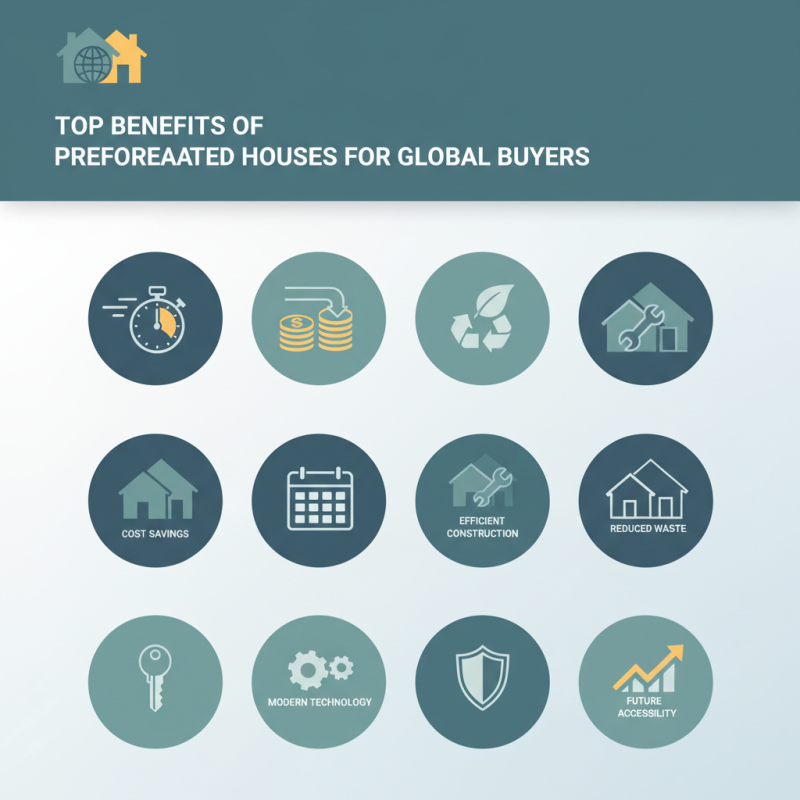
Advantages of Cost-Effectiveness in Prefab Houses
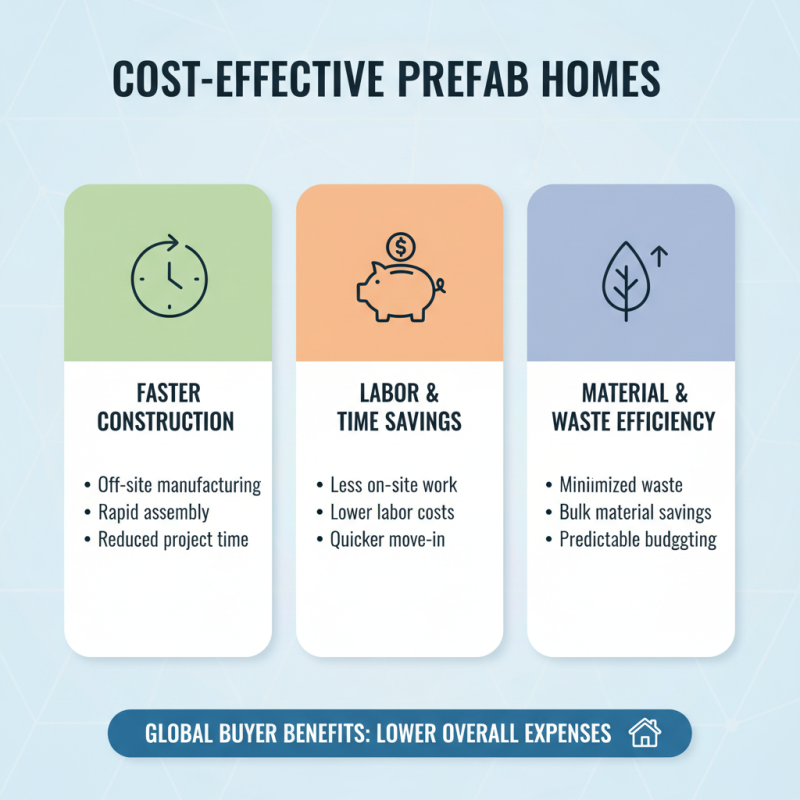
Prefab houses offer significant cost-effectiveness, making them a popular choice for global buyers. These homes are manufactured off-site and assembled rapidly, which saves both time and labor costs. The streamlined construction process minimizes waste, allowing builders to pass savings on to buyers. This efficiency translates into lower overall expenses.
Tips: Consider researching local regulations regarding prefab homes. Some areas have specific requirements that could impact your choices.
Another advantage lies in energy efficiency. Many prefab homes come with modern insulation and energy-efficient systems. This means ongoing savings on utility bills. Homeowners benefit from long-term reductions in energy costs, contributing to overall affordability.
Tips: Look for manufacturers that prioritize sustainability. This not only enhances energy savings but also reflects a commitment to environmental responsibility.
While prefab homes can be budget-friendly, buyers should reflect on needs and lifestyle. Not all prefabs offer the same level of customization. Understand that what seems affordable now may require sacrifices in certain aspects. Balancing between cost and quality is essential to ensure satisfaction in the long run.
Speedy Construction: Time-Saving Benefits of Prefab Homes
Prefab houses are gaining traction among global buyers, primarily for their speedy construction. These homes are designed in a factory setting, allowing builders to assemble them on site rapidly. This process cuts down on labor costs and minimizes on-site delays caused by weather or supply chain issues. Homebuyers benefit from quicker occupancy, reducing the time they wait for their new abode.
When considering prefab homes, it's essential to research local regulations. Some areas have stricter codes that may affect construction times. Additionally, consider materials. Different materials can influence both speed and cost. Engage with professionals who have experience in prefab construction to understand the nuances and best practices.
Maximizing the benefits of prefab homes requires careful planning. Set realistic timelines and be prepared for possible delays. There’s always a chance of unforeseen issues arising. Being aware of this will help you remain flexible. Also, consider your future needs. A well-planned prefab house can adapt to changes, making it a long-term investment. Building with foresight can save time and resources down the line.
Enhanced Design Flexibility and Customization Options
Prefab houses have revolutionized the construction industry by offering enhanced
design flexibility and customization options. According to a recent report by the Modular Building Institute, the prefab market is projected to grow by
10% annually, driven by these benefits. Buyers can expect to tailor their homes to reflect personal styles, from modern aesthetic choices to
sustainable materials. Customization significantly boosts homeowner satisfaction and can reflect in property value.
The modular approach allows for quicker alterations during the design phase. With advanced software tools, architects can generate multiple layout options in a fraction of the time. However, some challenges exist.
Not all designs fit easily into the prefabrication model, which can lead to limitations in structural integrity. Still, a study from Harvard University indicates
that 80% of buyers are willing to sacrifice some design aspects for faster construction.
Moreover, choosing prefab homes offers eco-friendly benefits. They typically generate less waste since materials are produced in controlled environments.
However, the process can feel less personal for some homeowners, as factory settings can constrain creativity. The balance between personal touch and efficient design is essential for achieving the ideal home.
By evaluating their priorities, buyers can better navigate this evolving market.
Sustainability and Environmental Impact of Prefab Housing
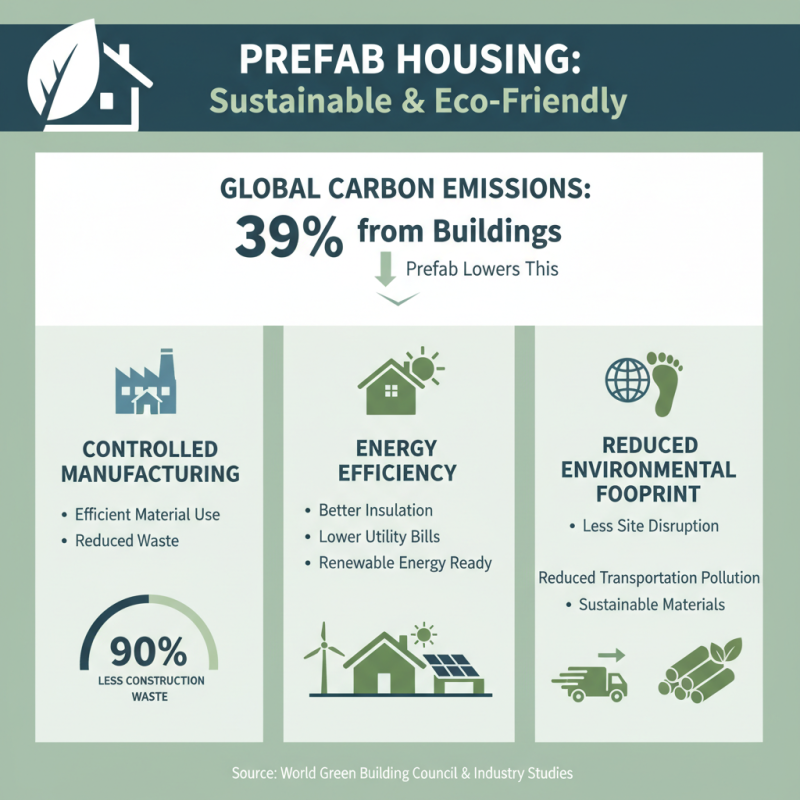
Prefab houses have gained traction due to their sustainability and reduced environmental impact. According to the World Green Building Council, buildings account for 39% of global carbon emissions. Prefabricated homes contribute to lowering these figures. They are manufactured in controlled environments, which allows for efficient use of materials and reduced waste. In fact, studies show that modular construction can reduce construction waste by up to 90%.
Building materials in prefab homes are often sourced sustainably. This approach minimizes environmental degradation and promotes resource conservation. Prefab houses can achieve energy efficiency ratings that traditional homes struggle to match. Many designs use advanced insulation and energy-efficient windows, resulting in a 30% reduction in energy consumption. This points to a significant long-term impact. Proper research into materials ensures that buyers make choices benefiting both their homes and the environment.
Tips: When opting for a prefab house, consider energy-efficient features. Look for homes with a sustainable materials certification. This choice supports your eco-friendly goals. Additionally, assess the life cycle of the materials used, as this impacts long-term sustainability. Always engage with local experts to understand the nuances of sustainable living.
Improved Quality Control in Prefabricated Construction Processes
Prefab houses are gaining popularity among global buyers. A key factor is the improved quality control in the prefabricated construction process. This method allows factories to produce building components in controlled environments. It minimizes exposure to weather conditions that can impact construction quality. The result is a more consistent product, which is essential for durability and longevity.
Furthermore, the use of advanced technology in prefabrication enhances quality assurance. Regular quality checks can be integrated into the manufacturing process. This reduces the likelihood of defects found in traditional building methods. While some may argue that the factory-produced modules lack the unique character of on-site builds, it’s important to note that customization options are often available. Buyers can request specific designs that meet their aesthetic needs.
Of course, the shift to prefabricated homes isn't without its challenges. There can be issues with logistics and transporting large components. These factors may require additional planning and investment. Despite these concerns, the advantages of improved quality control make prefab homes an attractive option for many. They offer a reliable solution for modern housing demands.
Benefits of Prefab Houses for Global Buyers

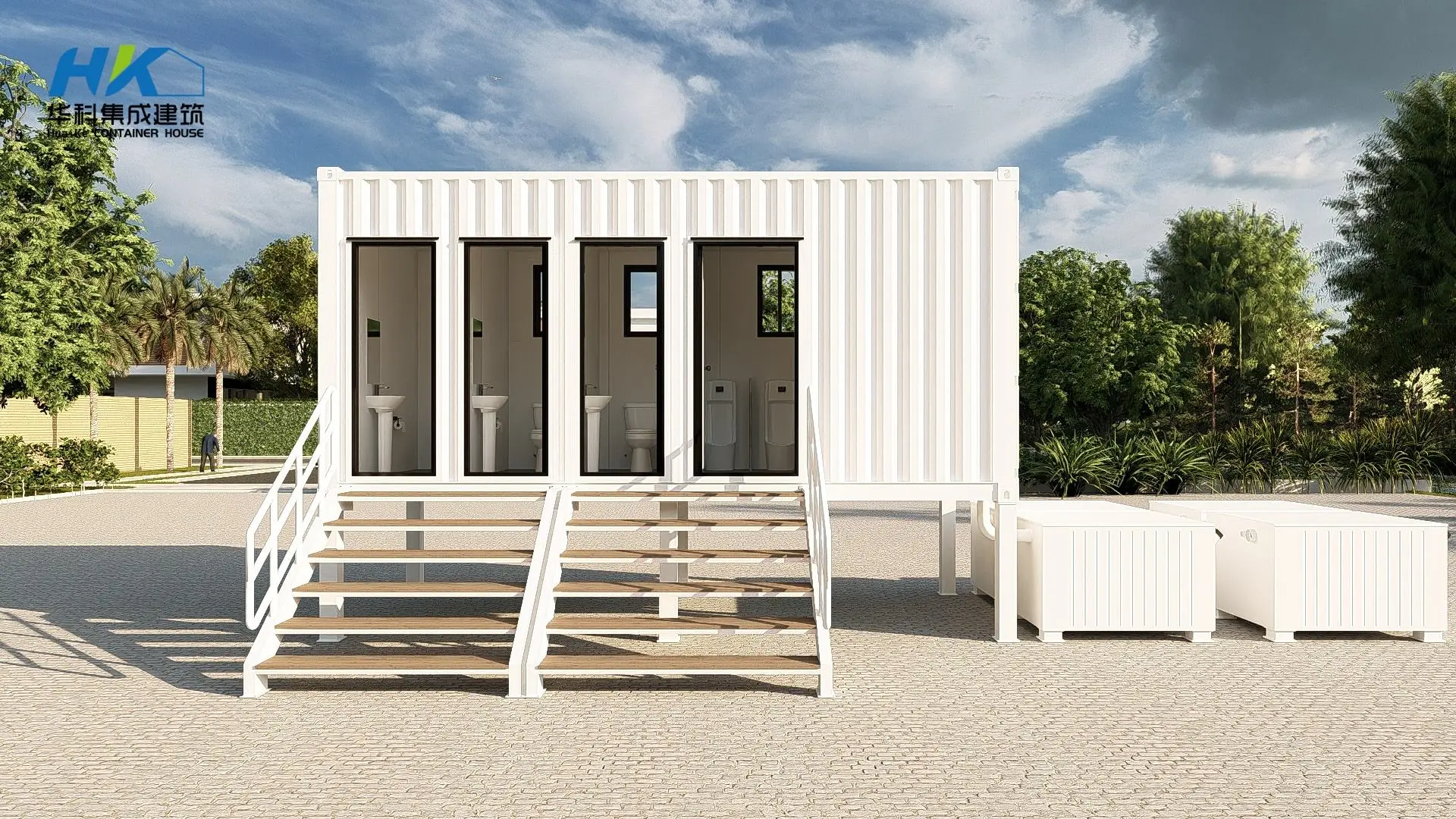 Contianer Toilet