Leave Your Message

What is a Mobile House and Why is it Popular Worldwide?

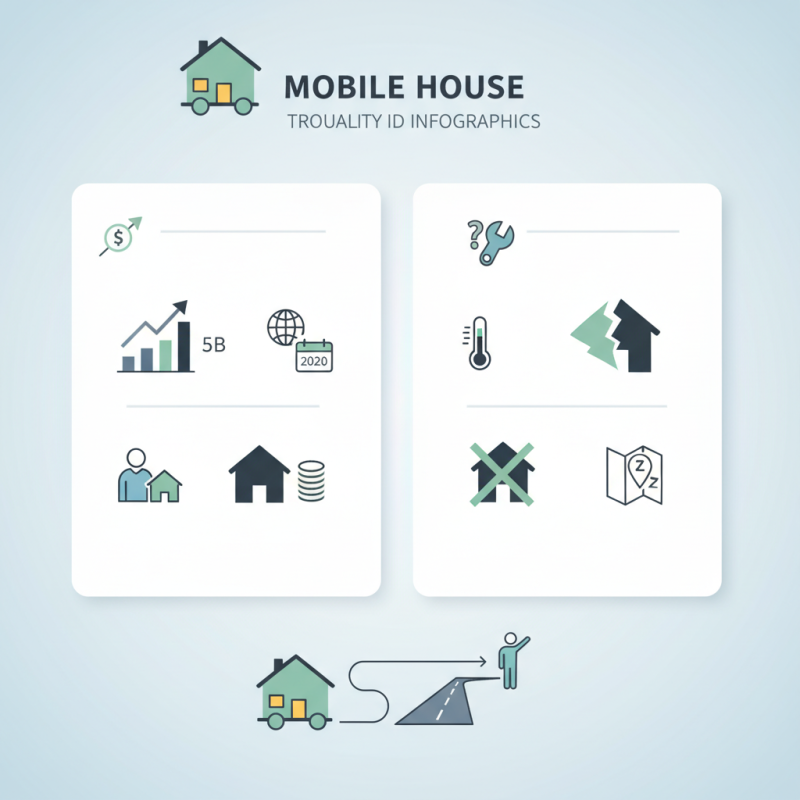
The concept of a "Mobile House" has gained significant traction globally. In 2020, the portable housing market was valued at approximately $5 billion and is projected to continue its upward trend. This surge reflects a shift towards affordable living solutions and minimalistic lifestyles. Mobile Houses offer flexibility and affordability, appealing to diverse demographics, especially in urban areas.

However, the rising interest in Mobile Houses is not without challenges. Many users report issues with construction quality and insulation. These concerns highlight the need for thorough research before purchasing. Additionally, zoning laws in numerous regions complicate mobile housing regulations.

Despite these setbacks, Mobile Houses present an intriguing alternative to traditional homes. They foster a lifestyle that prioritizes mobility. They serve as a viable housing solution for those seeking independence. As we explore the increasing popularity of Mobile Houses, it's critical to consider both their advantages and limitations.
What is a Mobile House and Why is it Popular Worldwide?

Definition and Characteristics of Mobile Houses

What is a Mobile House and Why is it Popular Worldwide?

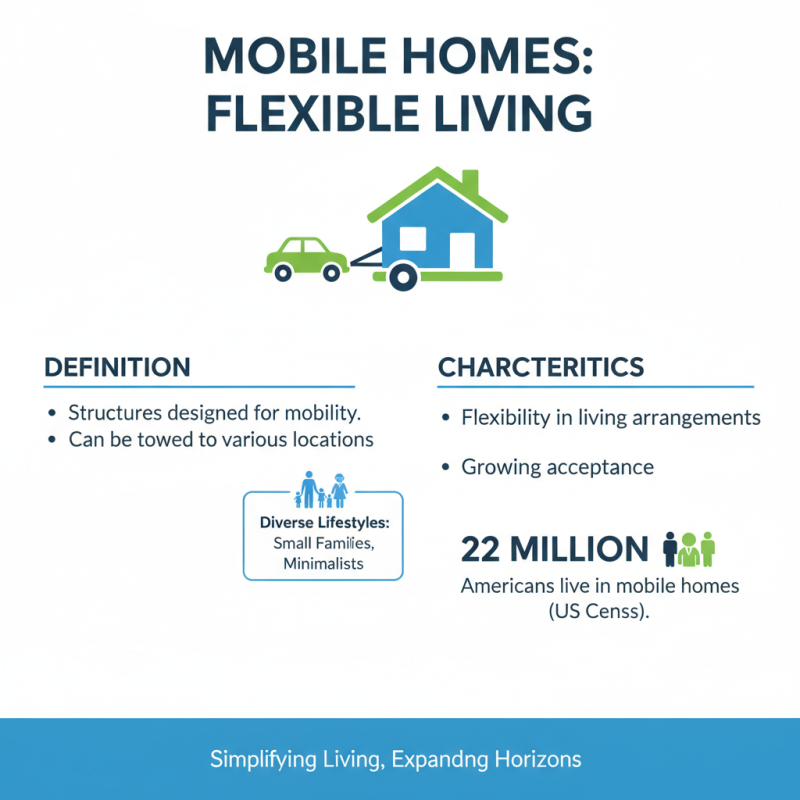
Mobile houses, often referred to as mobile homes or trailers, are structures designed for mobility. They can be towed to various locations, providing flexibility in living arrangements. According to the U.S. Census Bureau, around 22 million Americans live in mobile homes, showcasing their growing acceptance. These homes serve diverse lifestyles, appealing to small families, retirees, and minimalists seeking simpler living.

The defining characteristics of mobile houses include affordability, efficiency, and accessibility. Typically, their construction costs are significantly lower than traditional homes. A report from the Manufactured Housing Institute states that the average cost per square foot of a mobile house is about $50, compared to approximately $100 for site-built homes. Many models include energy-efficient designs, maximizing comfort and reducing utility bills. However, this mobility comes with challenges. Some mobile homes face depreciation issues, affecting long-term investment value.

Moreover, the aesthetic and design options for mobile houses have evolved. They now offer stylish layouts and customizable features. Yet, zoning restrictions can limit where these homes are placed. Potential homeowners must navigate local regulations, which may hinder the mobile lifestyle's appeal. As more people prioritize flexibility and financial savings, understanding these trade-offs becomes essential in making informed decisions about mobile living.
Types of Mobile Houses: Trailers, RVs, and Modular Homes

What is a Mobile House and Why is it Popular Worldwide?

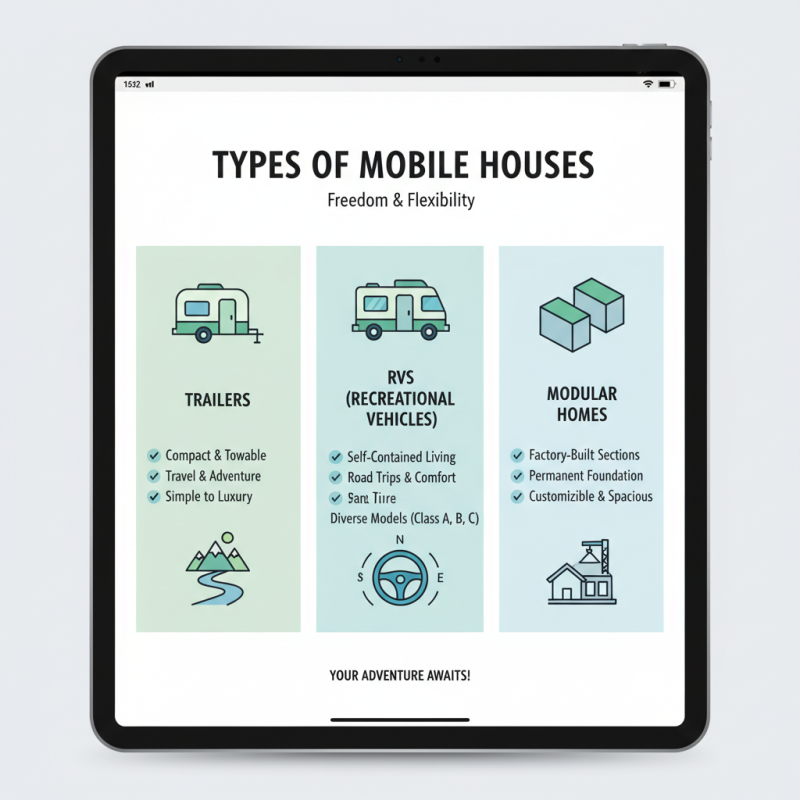
Mobile houses have gained significant popularity globally, offering unique living options. Among the various types, trailers, RVs, and modular homes stand out. Trailers are often compact and easier to tow, making them a great choice for those who enjoy traveling. They can be simple or luxurious, catering to different lifestyles and budgets. Many enjoy the freedom of mobility that trailers provide, though some may find them less spacious than traditional homes.

RVs, or recreational vehicles, combine transportation with living space. They offer amenities like kitchens and bathrooms, making them suitable for extended trips. RV enthusiasts appreciate the sense of adventure they bring. However, living in an RV full-time requires adaptation to a smaller space. It can be a challenging shift from a conventional home.

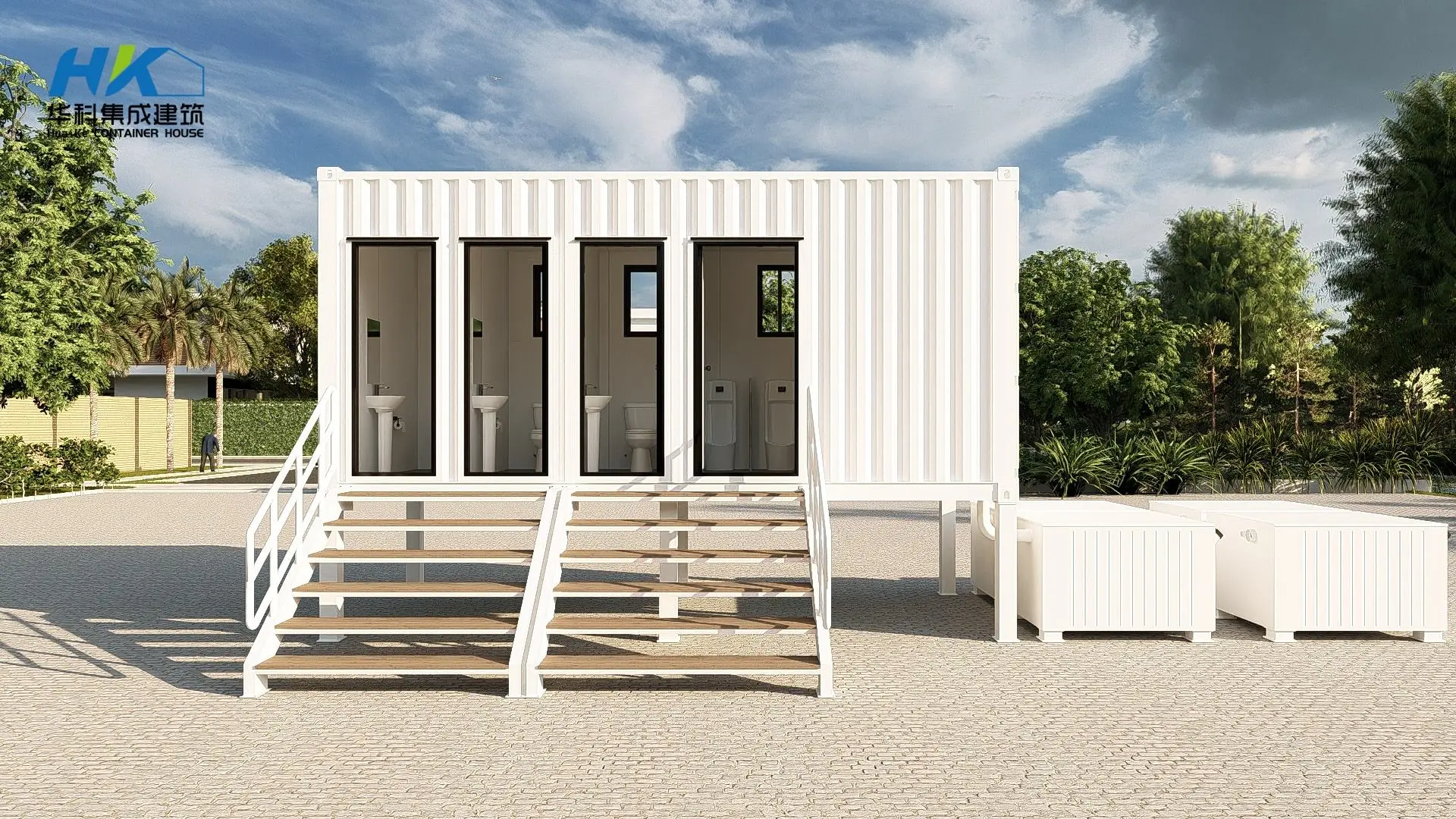
Modular homes are built in sections and assembled on-site. They offer more permanence compared to trailers and RVs. Their construction allows for design flexibility, which attracts many buyers. Yet, potential homeowners must consider zoning regulations and placement challenges. Each type of mobile house presents a blend of freedom and limitation, encouraging personal reflection on lifestyle choices.

Reasons for the Growing Popularity of Mobile Houses

Mobile houses are gaining traction globally for numerous reasons. Their affordability is a significant factor. Traditional homes can be costly, while mobile houses offer a budget-friendly alternative. This makes homeownership accessible to more people. Additionally, these homes are often move-in ready and can be customized to fit individual needs.

Flexibility is another appealing aspect. Mobile houses can be relocated easily, allowing homeowners to move as needed. This mobility suits those who may need to change locations frequently, such as workers or travelers. The compact size also encourages simpler living, which can help reduce environmental impact.

**Tip:** Consider your lifestyle when choosing a mobile home. Think about how often you might want to move.

Another reason for their popularity is the minimalist lifestyle trend. People are increasingly downsizing to simplify their lives. Mobile houses embody this concept by offering essential living spaces without extra clutter. However, this simplicity can sometimes lead to challenges in storage and organization.

**Tip:** Before committing, think about your storage needs. Make sure you can manage all your belongings in a smaller space.

Mobile houses also provide a sense of community. Many mobile home parks foster connections among residents. This can create a supportive environment. Yet, some may find the lack of privacy in close-knit settings uncomfortable.

Popularity of Mobile Houses Worldwide

Advantages of Mobile Living: Flexibility and Affordability

Mobile houses are gaining traction worldwide due to their unique advantages. Flexibility is a key benefit. People can relocate easily without the hassle of traditional real estate. A report from the National Association of Realtors shows that nearly 22% of Americans are considering mobile living options. This trend reflects a desire for a simpler, more adaptable lifestyle.

Affordability is another significant factor driving the popularity of mobile houses. According to the U.S. Census Bureau, mobile homes can cost 35-40% less than conventional houses. This presents an attractive option for first-time buyers and those on a budget. However, potential buyers should reflect on the long-term implications. While initial costs are lower, maintenance and land rental fees can add up quickly.

The mobile living trend is not without its challenges. Local zoning laws can limit where these homes can be placed. Additionally, some people face stigma around mobile living. Yet, these issues highlight the need for open dialogue about affordable housing solutions. Mobile houses may not suit everyone, but they offer an intriguing alternative to traditional home ownership.

Challenges and Considerations for Mobile House Owners

Mobile houses offer unique flexibility but come with distinct challenges. One significant issue is zoning laws. In many areas, mobile homes face restrictions or outright bans. This can make finding a suitable location difficult. Owners must research regulations to avoid fines or eviction.

Maintenance is another key consideration. Mobile houses often require regular upkeep, just like traditional homes. However, they may not be built to last as long. This can lead to more frequent repairs. Issues like leaks or wear and tear need attention, often due to the materials used. Neglecting these responsibilities can lead to bigger problems.

Financial implications also shape the mobile house experience. While they can be more affordable, hidden costs add up quickly. Utilities may be higher if the home is not energy-efficient. Additionally, insurance options can be limited or costly. Owners should budget carefully, anticipating these challenges as they enjoy the benefits of mobile living.

What is a Mobile House and Why is it Popular Worldwide? - Challenges and Considerations for Mobile House Owners

Aspect Details
Definition A mobile house, also known as a manufactured home or trailer, is a residential structure that is built in a factory and can be moved to different locations.
Popularity Reasons Affordability, flexibility in location, minimal maintenance, and growing interest in sustainable living.
Cost Comparison On average, mobile houses cost 30-50% less than traditional homes, making them an affordable option for many families.
Challenges Faced Zoning laws, limited financing options, and potential depreciation in value compared to traditional real estate.
Considerations for Ownership Choosing the right location, understanding local regulations, and ensuring the home is well-maintained for longevity.
Sustainability Aspects Many mobile houses can be equipped with eco-friendly materials and energy-efficient systems, promoting sustainable living.