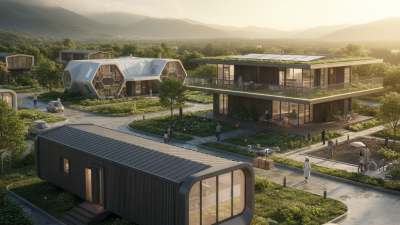
Why Choose Prefabricated Houses for Your Next Home Project?
In recent years, the concept of a "Prefabricated House" has gained significant traction. This innovative approach to home construction offers many benefits. Many homeowners are drawn to the quick build times associated with prefabricated homes. These structures are manufactured in a controlled environment, ensuring quality and consistency.
However, choosing a prefabricated house isn't without its challenges. Potential buyers often face design limitations and a lack of personalization. While these homes can be efficient, they may not always align with individual tastes. Despite these concerns, the advantages of prefabricated houses are compelling. They can reduce labor costs and minimize material waste.
As the market for prefabricated homes expands, understanding the nuances becomes vital. Homeowners should research their options thoroughly. An informed choice ensures that a prefabricated home meets both needs and expectations. Investing in a prefabricated house can be a rewarding experience, but careful consideration is essential.

Benefits of Prefabricated Houses Compared to Traditional Construction
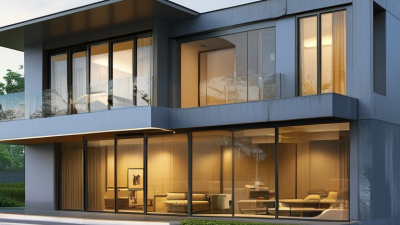
Prefabricated houses are gaining popularity for several reasons. One major benefit is their construction speed. Unlike traditional homes, which can take months or even years, prefab homes can be assembled in a matter of weeks. This rapid build time can significantly reduce labor costs. Additionally, many manufacturers have optimized their processes to minimize waste, making these homes a more sustainable choice.
Another key aspect is cost efficiency. Prefabricated houses often come at a lower price point compared to traditional housing. The streamlined production techniques result in reduced material costs. Homebuyers can find quality without compromising on design or style. However, it’s essential to understand that not all prefab homes are created equal. Prospective buyers should research builders and materials thoroughly before making a decision.
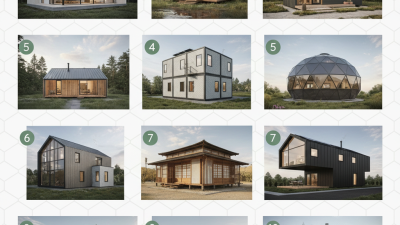
Finally, the flexibility of design options is an appealing factor. Many prefabricated homes offer customization opportunities. From layouts to finishes, there's room for personal touches. This can help reflect individual tastes and needs. Yet, potential homeowners should keep in mind that some designs might have limitations. Exploring all possibilities is crucial for a satisfying choice.
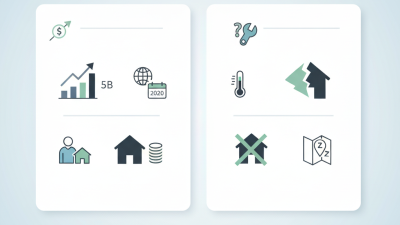
Comparison of Prefabricated Houses and Traditional Construction
Cost-Effectiveness: Saving Money with Prefabricated Homes
Prefabricated homes are capturing attention for their cost-effectiveness. According to a report from the National Association of Home Builders, these homes can be up to 20% cheaper than traditional builds. This reduction stems from efficient manufacturing processes and reduced construction time. Many builders are turning to prefabrication to manage escalating material costs. They save on labor and material waste, which is essential in today’s economy.
In addition to initial savings, homeowners can benefit from long-term financial advantages. Prefabricated houses are often more energy-efficient. A study by the U.S. Department of Energy indicates that these homes reduce energy costs by about 10-15%. This helps homeowners not only save money but is also an environmentally friendly choice.
While the prospect seems promising, potential buyers should remain cautious. The quality of materials used can vary significantly. Some prefabricated options might not stand the test of time. It's vital for buyers to conduct thorough research. Visiting manufacturers and examining previous projects can provide better insights. Check for warranties and certifications to ensure lasting value.
Speed of Construction: Quick Turnaround for Homeowners
In today's fast-paced world, prefabricated houses offer a significant advantage: speed of construction. Homeowners often find conventional building methods slow and tedious. Prefabricated homes, on the other hand, allow for faster assembly. Many components are built in factories, minimizing delays caused by weather or labor shortages.
Once on-site, these homes can be assembled within weeks rather than months. This rapid process helps reduce the time you spend in temporary housing or the stress of a prolonged build. However, quick construction can sometimes overlook potential long-term issues. Rushed decisions may lead to regrets about design or material choices later.
Moreover, prefabrication also ensures quality control during the manufacturing phase. This approach minimizes the risks associated with traditional building misalignments. Yet, it’s important to conduct thorough inspections upon delivery. Homeowners should be prepared to ensure that quality meets their specific standards. Overall, every speedy decision should include a thoughtful consideration of future needs and preferences.
Sustainability and Energy Efficiency of Prefabricated Designs
Prefabricated houses are gaining traction for their sustainability and energy efficiency. According to the U.S. Department of Energy, prefabricated homes can reduce energy consumption by up to 20% compared to traditional builds. This is largely due to advanced insulation techniques and energy-efficient materials used in construction. Many prefabricated designs utilize sustainable resources, which contribute to a smaller carbon footprint.
The manufacturing process of these homes typically generates less waste. In fact, the National Institute of Standards and Technology reports that prefabrication can minimize construction waste by 50% or more. This is critical as the construction industry is responsible for nearly one-third of global waste. Moreover, some prefabricated houses are designed to harness solar energy, further enhancing their energy efficiency. Solar technology can decrease utility costs significantly, leading to long-term savings.
However, there are challenges. Not all prefabricated homes meet strict environmental standards. Homebuyers must research different models to ensure compliance with sustainability practices. While many designs are improving, some still lag in innovation. This inconsistency can lead to varying levels of energy efficiency. Being informed about your options is vital. Investigating certifications and energy ratings can guide potential homeowners toward more sustainable choices.
Customization Options in Prefabricated Housing Solutions
Prefabricated housing offers unique customization options for homeowners. Unlike traditional methods, these homes can be tailored to meet individual preferences. According to a recent industry report, 75% of buyers value the ability to customize their living space. This trend reflects a shift in consumer expectations towards personalized designs.
Homeowners can adjust layouts, select materials, and incorporate sustainable features. Features like energy-efficient appliances and smart home technologies are now common. A study showed that homes with custom features can increase resale value by up to 20%. This potential for financial return enhances the attractiveness of prefabricated options.
While the ability to customize is appealing, it can also pose challenges. Delays or miscommunications may occur during the design phase. Homeowners should be ready to engage deeply with the process. Not every option available is worth pursuing—some may lead to unnecessary expenses. Reflecting on the decision-making process helps mitigate such issues and ensures satisfaction.

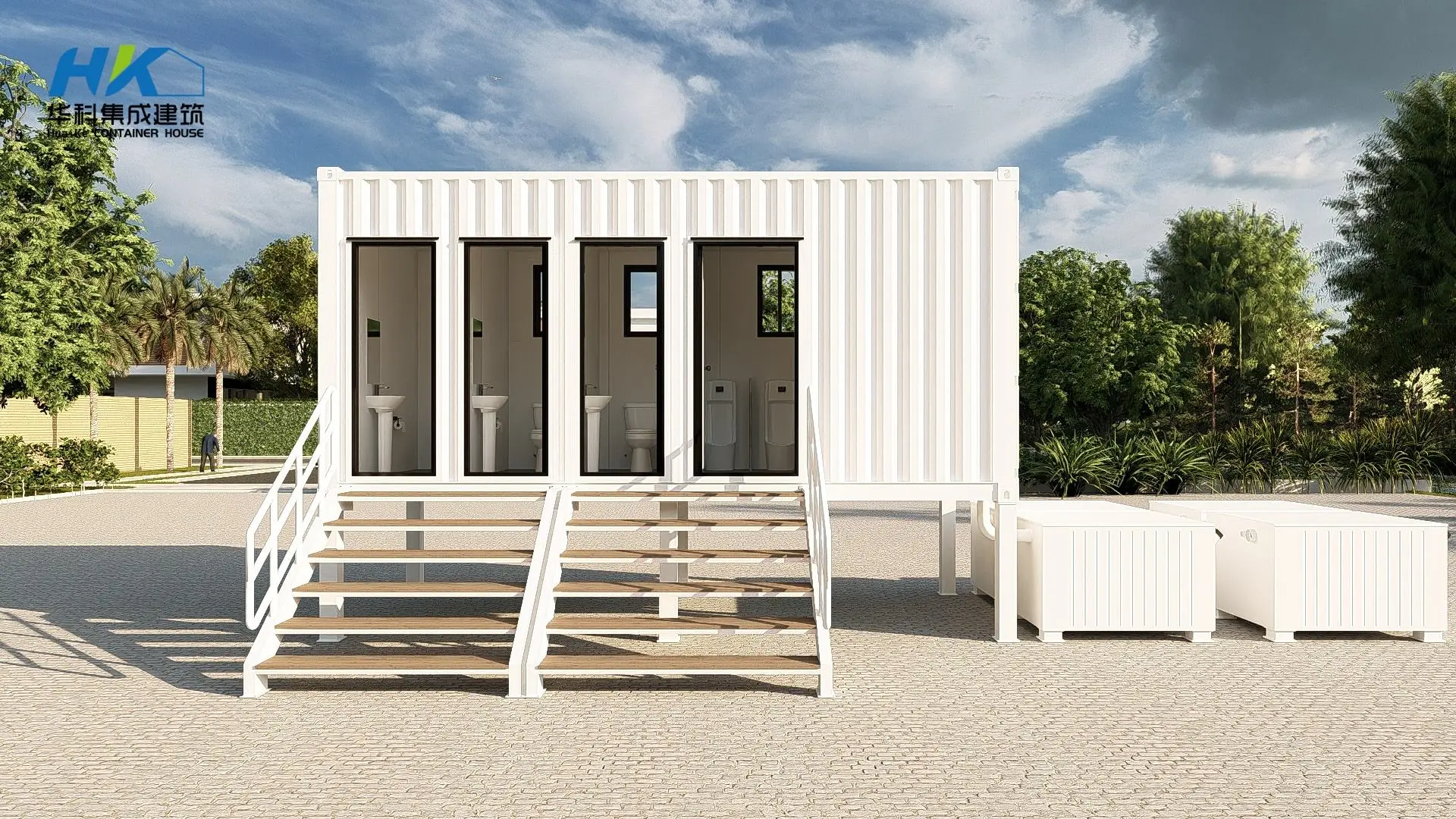 Contianer Toilet