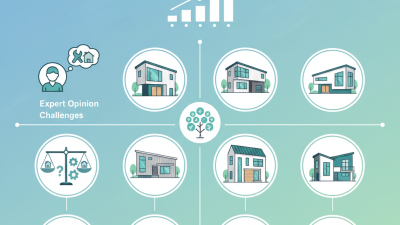
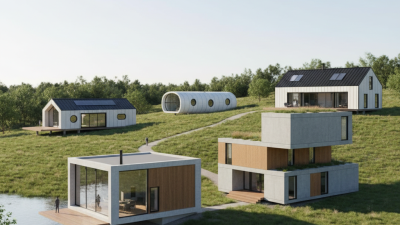
What Are the Benefits of Buying a Prefabricated House in China?
In recent years, the concept of the "Prefabricated House" has gained significant traction in China. This innovative approach to housing promises a range of benefits that appeal to both developers and homeowners. According to Li Wei, a leading expert in the Prefabricated Housing industry, "The future of housing lies in efficiency and sustainability."
Prefabricated Houses are constructed off-site, allowing for faster build times and reduced labor costs. This efficiency can lead to significant savings, making homeownership more accessible. In a country where urbanization rates soar, the need for sustainable housing solutions is urgent. The modular nature of these homes allows for customization, catering to diverse needs and preferences.
While the advantages are compelling, challenges remain. Some buyers express concerns about quality control and structural integrity. A Prefabricated House may not yet carry the same prestige as traditional homes. This perception can deter potential homeowners, despite the tangible benefits. As the industry matures, it is crucial to address these issues to build trust and confidence among consumers.
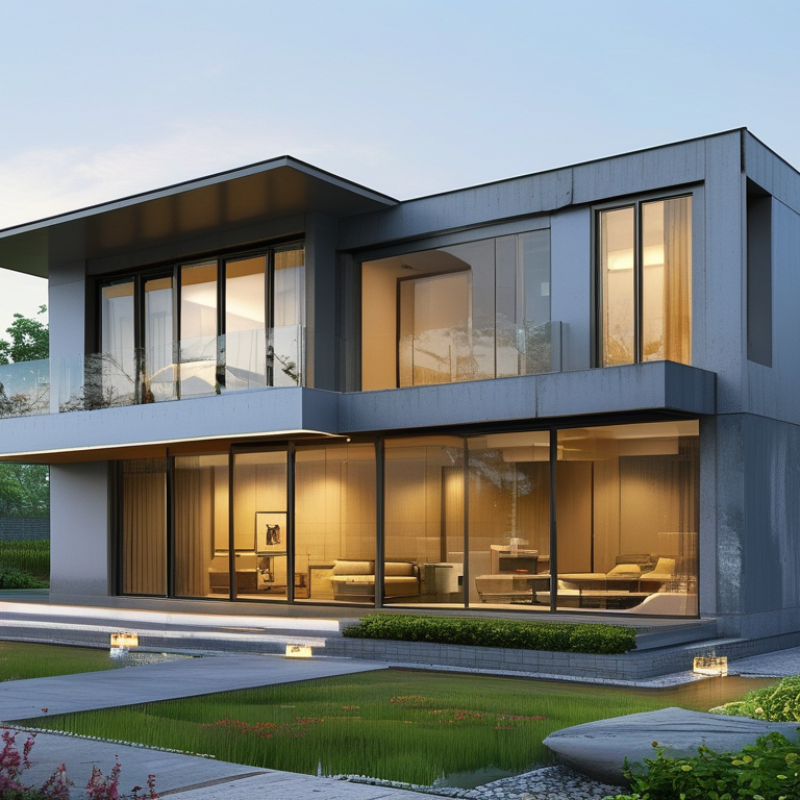
Advantages of Cost-Effectiveness in Prefabricated Housing in China
Prefabricated houses in China offer significant cost advantages that attract many buyers. They are produced in factories, minimizing construction waste. This process shortens building time and reduces labor costs. Purchasing a prefabricated house can be more economical than traditional construction methods. The price per square meter is often lower, making homeownership accessible for more people.
Potential buyers often notice additional savings in energy efficiency. Many prefabricated homes use modern materials that retain heat. This results in reduced energy bills over time. However, some may question the long-term durability of these homes compared to traditional ones. It’s essential to research materials and building standards before making a decision.
Moreover, prefabricated housing can contribute to environmental sustainability. The controlled factory environment leads to less waste generation. On the downside, customization options are sometimes limited. Buyers might find it challenging to create a unique design. Weighing these pros and cons is crucial when considering a prefabricated house.
Time Efficiency in Construction of Prefabricated Houses in China
Prefabricated houses in China offer significant time efficiency in construction. On average, these homes can be completed 30% to 50% faster than traditional building methods. The use of factory-manufactured components reduces on-site work, which is a major time saver.
Components of prefabricated houses are produced simultaneously, minimizing delays often caused by weather or labor shortages. According to a report by the China National Building Materials Group, prefabrication can reduce construction time to as little as one month for simple models. This rapid assembly process allows homeowners to move in sooner, providing a quicker return on investment.
Tips: Prioritize designs that require fewer components. This can further speed up the construction process. Choosing energy-efficient options can also balance time and cost.
Some challenges do exist. Quality control must be rigorous to guarantee that prefabricated components meet standards. Any oversight can lead to delays later in the process, negating the time benefits. Homebuyers should seek professionals with experience in prefabricated construction to ensure reliability.
Sustainability and Environmental Benefits of Prefabricated Homes
Prefab homes in China offer significant sustainability benefits. They often utilize modern materials that are energy-efficient and environmentally friendly. This leads to reduced carbon footprints during construction and throughout the home's lifecycle. The manufacturing process is streamlined, resulting in less waste production, which is crucial in a world striving for lower landfill contributions.
Energy efficiency is a hallmark of prefabricated homes. Many designs emphasize insulation and smart energy use. Homeowners often see lower utility bills and a more comfortable living environment. Furthermore, new technologies allow for solar panels and other renewable energy sources to be seamlessly integrated. This enhances long-term sustainability.
Despite these advantages, some face challenges in adapting to the concept. Prefab homes may lack the traditional appeal that many desire. Others may worry about the durability of such structures. Addressing these concerns is essential as the prefab industry matures. The ongoing dialogue about quality versus quantity is critical in redefining perceptions about modern living spaces in China.
Customization Options Available for Prefabricated Houses in China
Prefabricated houses in China offer a wide range of customization options, catering to diverse tastes and needs. This flexibility is one of their major selling points. Buyers can choose layouts, materials, and finishes that suit their preferences. Statistics reveal that 75% of homebuyers show interest in customizing features like room sizes and floor plans. This means that consumers have significant control over how their homes will look and function.
Designers and builders in the prefabricated sector can offer different styles, from modern minimalist to traditional Chinese aesthetics. Homeowners can mix and match elements, such as eco-friendly materials or smart home technology, creating a unique living space. However, while customization sounds exciting, it can also introduce complexities. The need for a clear design vision is crucial. Poor communication about specific desires can lead to misunderstandings, which may delay construction and increase costs.
Moreover, it is essential to understand the limitations that prefabrication can impose on customization. Certain designs may not be feasible within the prefabrication framework. Understanding these constraints is vital for an effective decision. Buyers should conduct thorough research and be mindful of their budget. Engaging experienced professionals can help navigate this process, ensuring that the final outcome aligns with initial expectations.
Quality Control and Durability of Prefabricated Structures in the Market
Prefabricated houses have gained popularity in China for many reasons. One of the most significant aspects is the quality control involved in their production. Factories utilize advanced technologies to fabricate components. This ensures consistent quality across various batches. The prefabrication process allows for thorough inspections at each stage. This systematic approach can lead to fewer defects.
Durability is another critical factor in prefabricated structures. These homes often use high-quality materials designed to withstand the elements. For instance, steel frames and insulated panels enhance longevity. However, not all materials are created equal, and buyers must be vigilant. Subpar materials can lead to problems later on. It's important to research and verify the quality of materials used in construction.
In addition, climate plays a role in the durability of prefabricated homes. Different regions in China face unique environmental challenges. Homes must be tailored to meet these conditions. Existing designs may not be perfect. They may require tweaks for better performance in specific areas. Potential buyers should consider these aspects when selecting a prefabricated house.

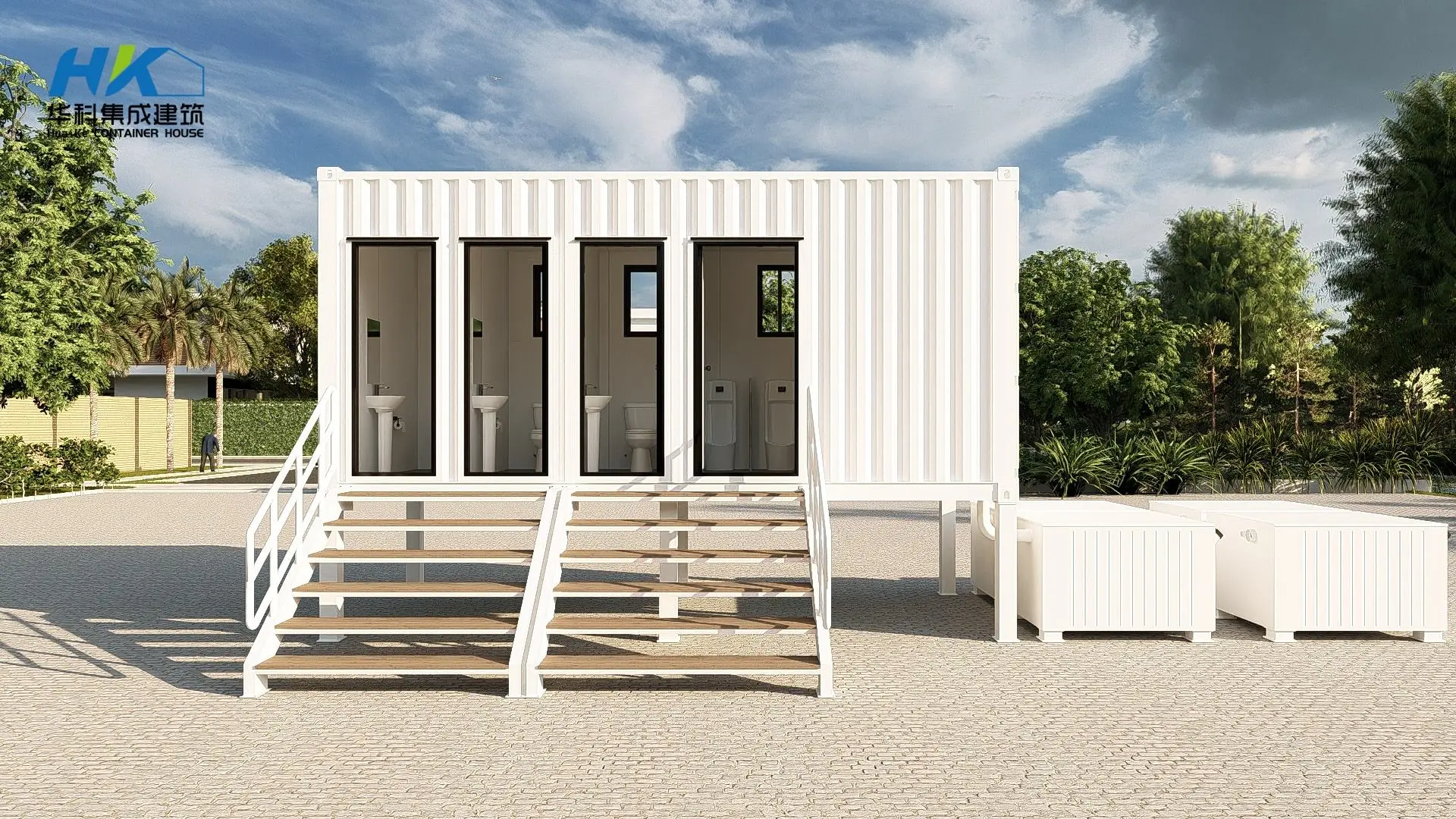 Contianer Toilet