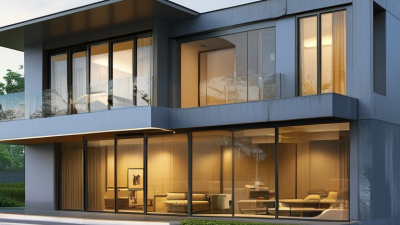
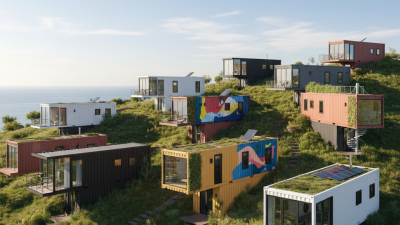
What Are the Benefits of Prefab Houses for Global Buyers?
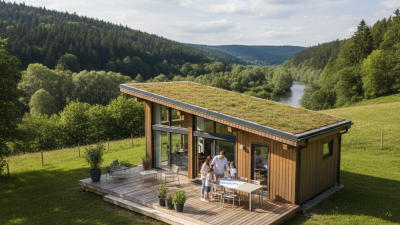
The popularity of prefab houses is surging among global buyers. These homes offer a unique blend of efficiency, affordability, and sustainability. Expert architect Sarah Thompson states, "Prefab houses are changing the way we think about homebuilding." This perspective highlights the innovative nature of this growing trend.
Prefab houses are designed for quick assembly. They can often be built in a fraction of the time compared to traditional homes. Buyers can enjoy customizable options that fit their specific needs. However, not all prefab options provide the same quality. Some manufacturers cut corners to save costs, which can lead to long-term issues.
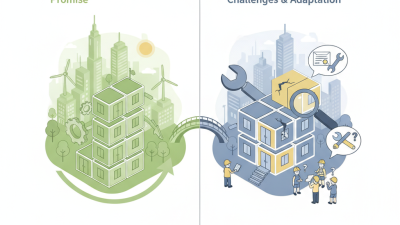
Investing in a prefab house can also present challenges. While they are more affordable, unexpected costs can arise post-purchase. Buyers must research thoroughly and choose reputable manufacturers. Overall, prefab houses represent a modern solution for many, combining convenience with potential pitfalls that require careful consideration.

Understanding Prefab Houses: A Global Overview
Prefab houses have gained popularity across the globe due to their efficiency and sustainability. According to a study by Allied Market Research, the global prefab housing market was valued at approximately $112 billion in 2020 and is expected to reach $202 billion by 2027. This growth illustrates a significant shift towards modular construction methods, appealing to eco-conscious consumers and investors alike.
The fundamental appeal of prefab homes lies in their reduced construction time. Traditional building methods can take months, if not years. In contrast, prefab houses can be erected in just a few weeks. This efficiency allows buyers to save on labor costs and minimize construction waste. However, it is important to recognize that not all prefab homes offer the same quality. Some manufacturers prioritize speed over craftsmanship, leading to potential issues in the long run.
Sustainability is another key factor. Prefab homes can be designed with energy-efficient materials, aligning with modern environmental standards. The World Green Building Council notes that buildings account for 39% of global carbon emissions. Therefore, opting for prefab homes can be a step in the right direction. Nevertheless, buyers should conduct thorough research. Ensuring the selected building materials and techniques are genuinely sustainable is essential. The prefab industry is still evolving; buyers must remain vigilant regarding claims of sustainability and efficiency.
What Are the Benefits of Prefab Houses for Global Buyers?
| Benefit |
Description |
Global Relevance |
| Cost-effectiveness |
Prefab houses often require lower initial investment compared to traditional construction methods. |
Applicable worldwide, particularly in developing nations with budget constraints. |
| Faster Construction |
Modules are built off-site and assembled quickly on location, reducing build time significantly. |
Benefits regions with high demand for rapid housing solutions. |
| Sustainability |
Utilizes eco-friendly materials and practices, leading to reduced environmental impact. |
Important for global initiatives aimed at reducing carbon footprints. |
| Customization |
Buyers can select designs, sizes, and features tailored to their needs. |
Relevant across diverse cultural contexts and personal preferences. |
| Quality Control |
Construction occurs in a controlled environment, leading to higher quality finishes. |
Beneficial for buyers seeking consistency in construction quality worldwide. |
Key Advantages of Prefab Houses for International Buyers
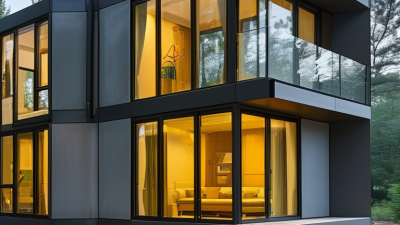
Prefab houses offer numerous benefits for international buyers. They provide a unique solution to modern housing challenges. One major advantage is the speed of construction. These houses can often be assembled within weeks. This quick turnaround is essential for buyers who need immediate housing solutions.
Additionally, prefab houses are cost-effective. They reduce labor costs and material waste. With efficient production processes, the final price remains manageable. Many buyers appreciate how this affordability opens up new possibilities. However, not all designs suit every climate. Buyers must consider their local environment thoroughly.
Sustainability is another appealing factor. Many prefab homes use eco-friendly materials. This aligns with global trends toward reducing carbon footprints. Yet, potential buyers should evaluate energy efficiency and local regulations. These aspects can influence long-term living satisfaction. Exploring these advantages can help buyers make informed decisions while navigating the landscape of prefab housing.
Cost Efficiency in Prefab Housing: A Financial Perspective
Prefab houses are gaining traction among global buyers due to their cost efficiency. According to a report by the National Association of Home Builders, prefab homes can reduce construction costs by up to 20%. This reduction is largely due to streamlined manufacturing processes and reduced waste. Buyers can expect quicker build times as well, with many prefab houses constructed in a fraction of the time compared to traditional homes.
One must consider other financial benefits too. Energy efficiency is a key feature of many prefab designs, leading to lower utility costs over time. A study from the U.S. Department of Energy indicates that energy-efficient homes can save homeowners between 30% to 50% on energy bills. While the initial investment in prefab homes might be lower, ongoing savings can significantly outweigh costs.
Tip: When evaluating prefab options, explore designs that prioritize sustainability. Look for homes built with eco-friendly materials. This can lead to long-term savings and a reduced carbon footprint.
It's important to note that while prefab houses offer many advantages, location can impact costs. Foundation and land preparation expenses may vary widely. Buyers should conduct thorough market research to avoid unforeseen financial burdens. Ultimately, understanding the financial landscape is crucial for informed prefab housing decisions.
Sustainability and Eco-Friendliness in Prefab Construction
Prefab houses are gaining traction among global buyers, especially due to their sustainability benefits. According to a study by the World Green Building Council, prefab construction can cut construction waste by up to 90%. This reduction is crucial for the environment, as construction waste is a major contributor to landfills. Prefab homes utilize energy-efficient materials that lower energy consumption, resulting in reduced carbon footprints.
One interesting aspect is the speed of construction. Prefab homes can be erected in a matter of weeks rather than months. This efficiency not only accelerates project timelines but also reduces environmental impact. Construction sites can limit resource use and disruption to local ecosystems. However, the challenge lies in sourcing sustainable materials and ensuring quality control throughout the manufacturing process.
Tips: Consider the local climate and environment when choosing materials. Opt for recycled and renewable materials where possible. It’s important to perform due diligence on manufacturers to ensure they comply with eco-friendly standards. A well-informed decision contributes to overall sustainability goals. Embracing prefab homes can lead to a greener future, albeit with the need for careful planning and execution.
Customization and Design Flexibility in Prefab Homes
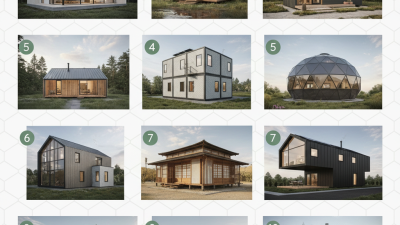
Prefab houses offer remarkable customization and design flexibility, appealing to a diverse range of global buyers. Homeowners can personalize various aspects of their homes. This includes layout, finishes, and materials. Such flexibility allows individuals to reflect their styles and meet specific needs.
For instance, buyers can choose open floor plans or opt for more traditional layouts. They can decide on eco-friendly materials or luxurious finishes. This level of personalization is often lacking in traditional homes. It creates a unique living experience that resonates deeply with the owner. However, achieving this perfect design can sometimes lead to decision fatigue. Potential homeowners might feel overwhelmed by the choices available.
Moreover, while customization is a significant benefit, it may also come with challenges. Some buyers may struggle to visualize the final product. This uncertainty can make the process stressful. It's vital for buyers to communicate clearly with architects and builders. Striking a balance between creativity and practicality is crucial. This ensures the dream home becomes a reality without unnecessary complications.

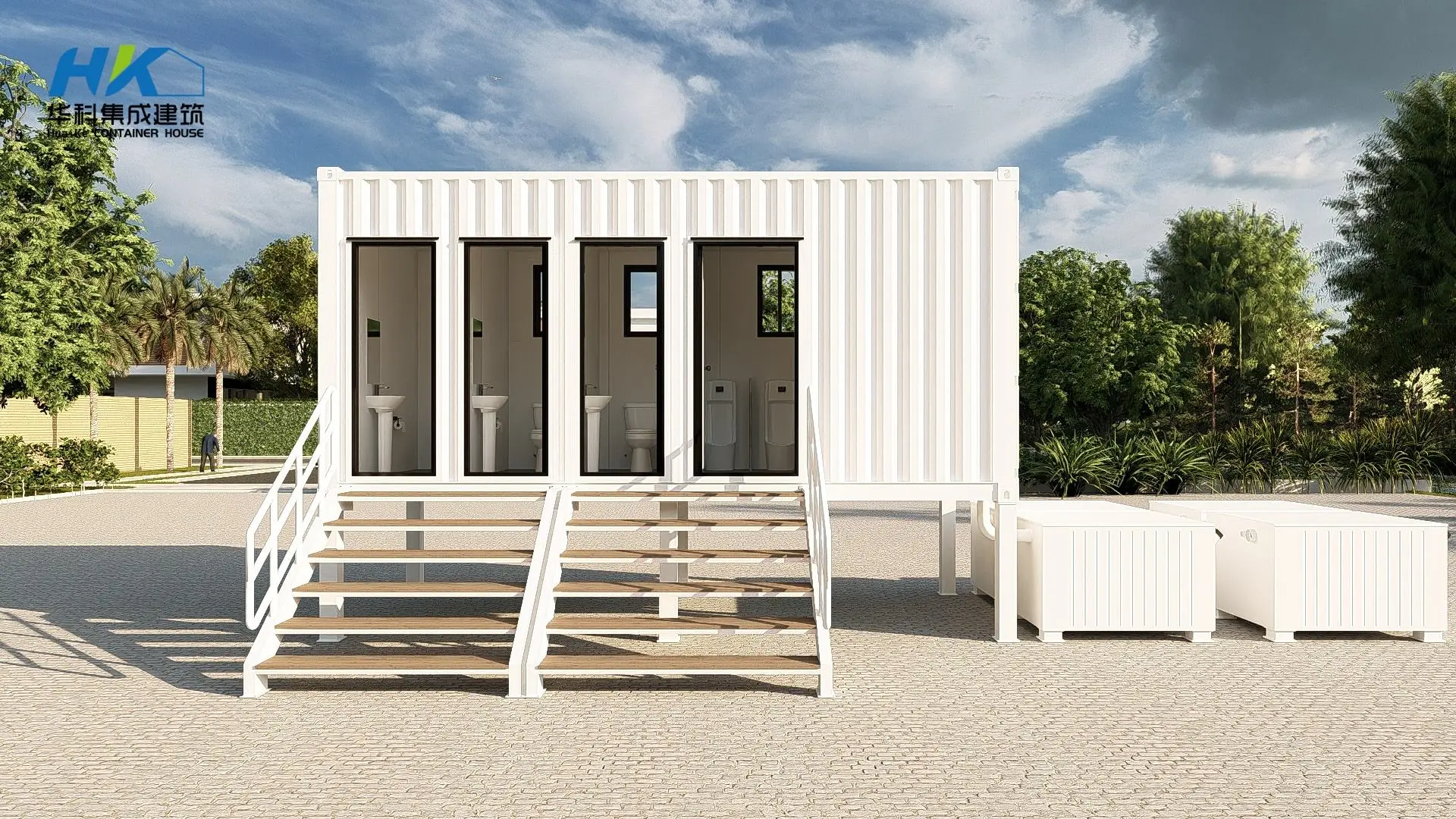 Contianer Toilet