Why Choose Mobile House for Your Next Project?
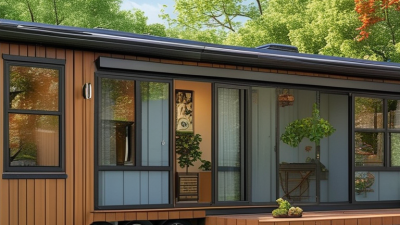
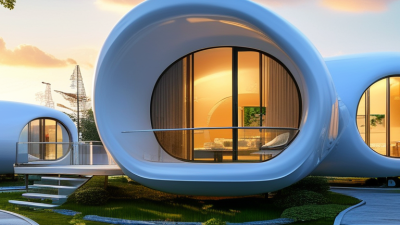
In recent years, the trend of constructing a Mobile House for various projects has gained momentum. Experts in the industry, like Mark Thompson, a leading architect specializing in mobile housing solutions, emphasize the flexibility and innovative design these homes offer. He states, "Mobile Houses can transform spaces, allowing creativity to flow without the constraints of traditional structures."
This perspective highlights the essential benefits of Mobile Houses: portability, cost-effectiveness, and adaptability. Designers and homeowners alike appreciate that these structures can fit diverse environments and purposes. Yet, one must not overlook the potential challenges, such as local zoning laws and infrastructure compatibility.
Ultimately, choosing a Mobile House invites both innovative opportunities and thoughtful considerations. It’s essential to weigh the benefits of mobility against the obstacles that may arise in planning and executing your project. Insights from industry experts can guide this journey, ensuring that the decision aligns with creative aspirations and practical realities.

Benefits of Using Mobile Houses in Construction Projects
Mobile houses have become increasingly popular in construction projects. Their versatility makes them an excellent choice for various needs. One significant benefit is their mobility. These structures can be relocated easily, saving time and money. Whether on a construction site or a remote location, mobile houses provide flexibility in planning.
Another advantage is the speed of assembly. Construction with traditional materials can take months. In contrast, mobile houses can often be set up in days. This rapid deployment can be crucial for projects that require quick solutions. However, it’s essential to consider the quality of materials. Some mobile houses may not be as durable as traditional ones, leading to potential long-term issues.
Cost-effectiveness is another important factor. Mobile houses generally incur lower costs for labor and materials. This can significantly reduce overall project expenses. Still, it’s wise to evaluate the long-term benefits against initial savings. It’s crucial to weigh the pros and cons carefully. In this evolving industry, mobile houses offer practicality and innovation, but thorough research is important before making a decision.
Cost-Effectiveness of Mobile Houses Compared to Traditional Structures
Mobile houses offer a compelling alternative for construction projects, especially when considering cost-effectiveness. Traditional buildings often require extensive materials and labor, leading to a significant increase in expenses. In contrast, mobile houses are usually prefabricated. This means they can be constructed quickly and efficiently, reducing both time and labor costs.
Moreover, mobile houses incur lower maintenance costs. Their durable materials withstand various weather conditions, leading to fewer repairs. They are also energy-efficient, which translates to lower utility bills. However, potential buyers should reflect on land costs. Finding suitable land to place mobile homes may require careful research and investment.
Financing options can be limited compared to traditional homes, warranting a thorough exploration of available choices. Also, local regulations regarding mobile homes vary significantly. It's essential to understand these laws to avoid unexpected challenges. While mobile houses come with numerous benefits, individuals should weigh these factors carefully based on their unique needs and circumstances.
Flexibility and Customization Options for Mobile House Designs
Mobile houses have gained popularity due to their flexibility. They offer unique customization options that traditional constructions cannot match. A recent industry report indicates that over 70% of homeowners seeking mobility prioritize personalized design elements. This adaptability allows clients to express their style, making every mobile unit unique.
Customization can range from layout adjustments to eco-friendly materials. Data from a housing survey reveals that 60% of users value sustainability in their mobile house choices. Clients can select energy-efficient appliances, solar panels, and sustainable insulation methods. These options enhance comfort and reduce environmental impact.
However, challenges exist in the design process. Perception of mobile houses as temporary can influence client decisions. Many forget that high-quality materials can boost durability. Clients should weigh their preferences against practicality. Ensuring that a mobile house fits long-term needs requires careful planning and foresight.
Why Choose Mobile House for Your Next Project?
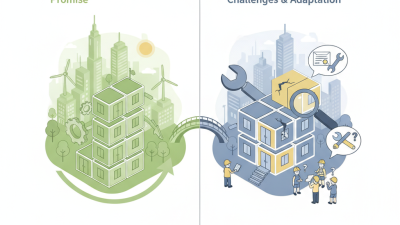
This chart illustrates the flexibility and customization options of mobile house designs compared to traditional housing options. The data highlights key attributes such as Design Flexibility, Cost-Effectiveness, Mobility, and Sustainability.
Environmental Impact and Sustainability of Mobile Houses
Mobile houses have gained recognition for their positive environmental impact and sustainable living solutions. These structures, often made from recycled materials, reduce the demand for new resources. This minimizes the overall environmental footprint. Additionally, their smaller size requires fewer materials and labor, further decreasing their carbon footprint.
Choosing a mobile house promotes energy efficiency. Many designs incorporate solar panels and green roofing. Such features can significantly cut energy costs. Urban mobile housing can also utilize existing infrastructure, reducing the need for new construction.
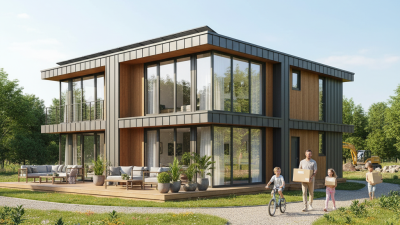
When considering a mobile house, think about your lifestyle needs. Size and layout are crucial. Reflect on how your space can adapt over time or as your needs change. Also, consider how these homes can connect you to nature. Proximity to green spaces can enhance well-being. Engaging with the environment might foster a sense of community.
Mobility and Convenience: Easy Relocation of Mobile Houses
Mobile houses offer exceptional mobility and convenience, making them a popular choice for various projects. According to the American Housing Survey, about 9 million Americans lived in mobile homes in 2020. This figure highlights a growing trend towards flexible living solutions. Relocation, a unique feature of mobile houses, is straightforward and efficient. Families or businesses can easily move to a new site without the complications of traditional construction.
Moving a mobile house typically takes less time and fewer resources than standard relocation methods. Industry reports indicate that the average time to relocate can be as short as three days, depending on the complexity. This flexibility is critical for those needing quick housing solutions or temporary offices. However, not all mobile houses are created equal, and some may face challenges during relocation. For instance, improper installation can affect their stability. It’s essential to follow guidelines closely to mitigate risks associated with movement.
Furthermore, while mobile houses can be cost-effective, the long-term value varies. Some units depreciate faster than expected, sometimes due to market fluctuations. Potential buyers should consider these factors carefully. Investing in a mobile house requires balancing short-term benefits with long-term implications. Awareness of these nuances can lead to more informed decisions in a rapidly evolving housing market.
Why Choose Mobile House for Your Next Project? - Mobility and Convenience: Easy Relocation of Mobile Houses
| Feature |
Description |
Benefits |
| Mobility |
Easily transportable to different locations without extensive construction. |
Flexibility to relocate as needed without permanent commitment. |
| Cost-Effective |
Lower construction and land costs compared to traditional homes. |
Affordability for various budgets, enabling more people to own a home. |
| Quick Setup |
Ready for use in a fraction of the time it takes for conventional buildings. |
Immediate occupancy, ideal for urgent living situations. |
| Sustainability |
Often built with eco-friendly materials and energy-efficient technologies. |
Reduced environmental impact and lower utility costs. |
| Customizability |
Options to personalize design and layout based on individual needs. |
Creates a unique living space that reflects personal style. |

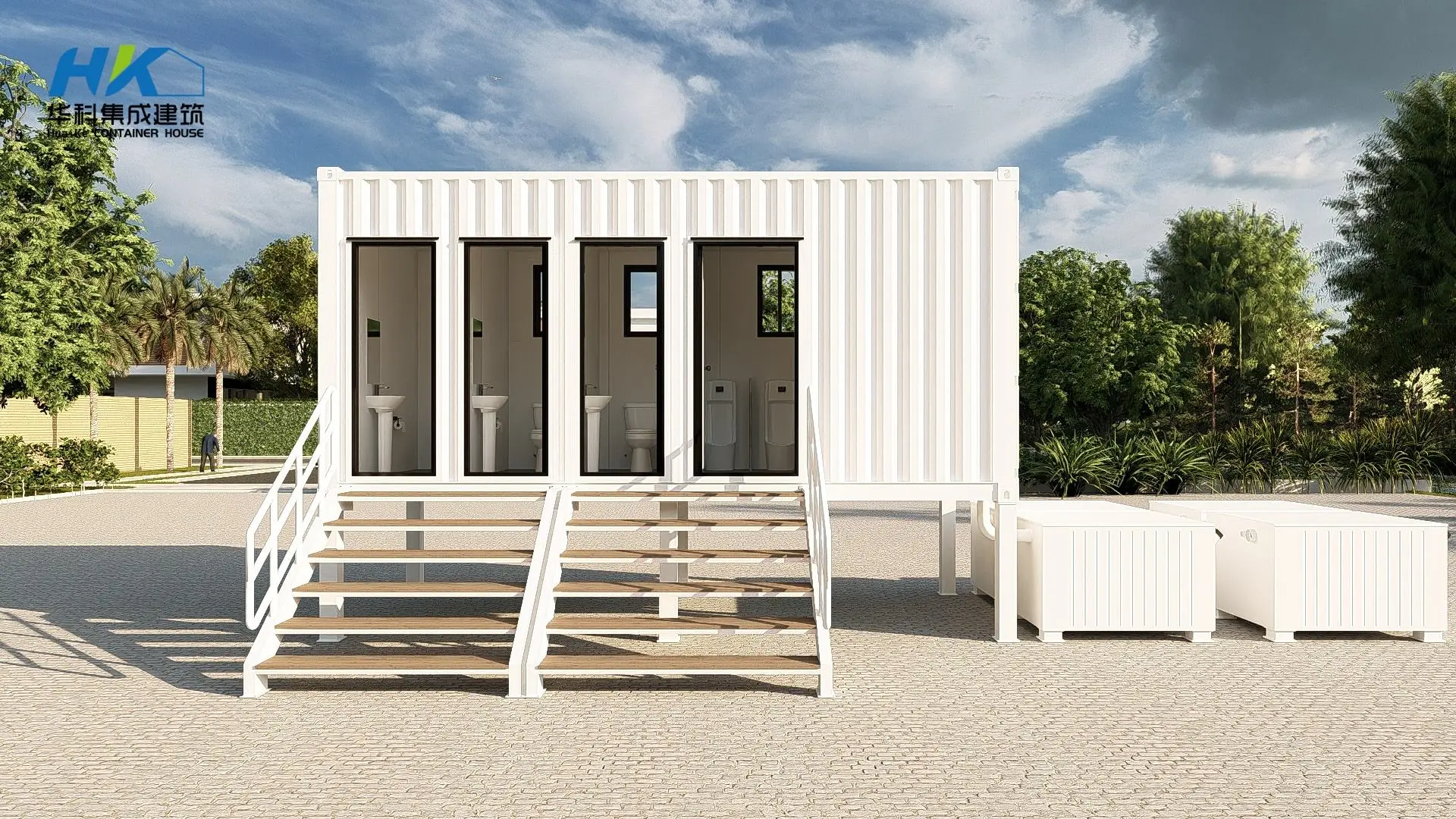 Contianer Toilet