Leave Your Message

China Top Mobile House Innovations and Trends You Should Know?

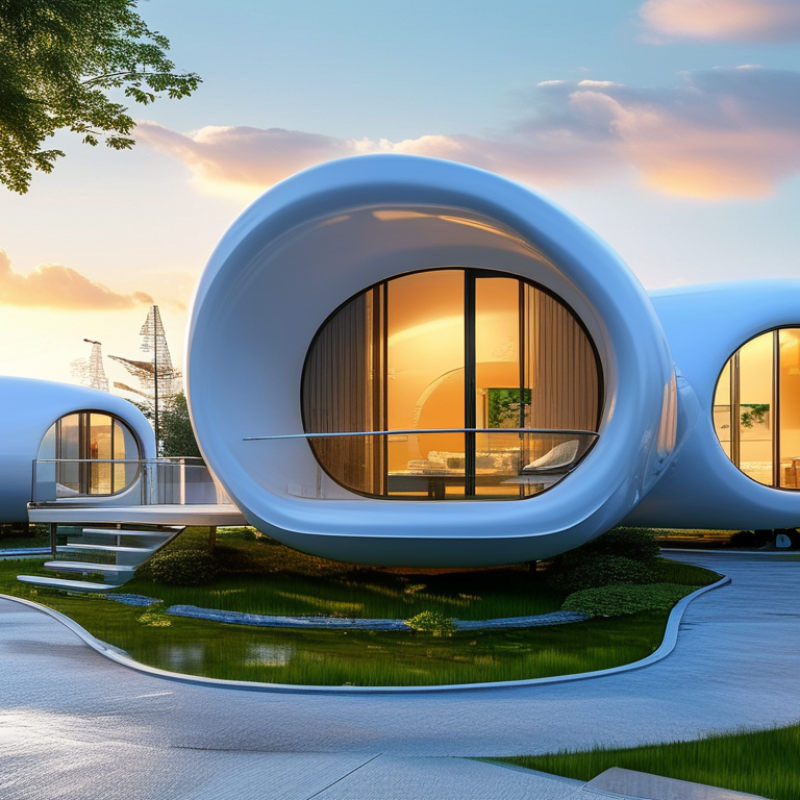
The Mobile House industry in China is rapidly evolving. These innovative structures are redefining modern living spaces. According to Dr. Li Wei, a renowned expert in sustainable architecture, "Mobile Houses represent the future of urban living." His words highlight the potential of these houses to address space constraints in bustling cities.

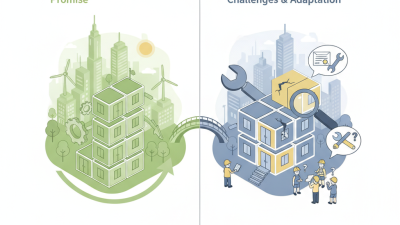
Mobile Houses offer flexibility and convenience. They cater to the growing demand for affordable housing solutions. In cities like Shenzhen and Beijing, this trend is gaining traction. These homes can be transported easily, fitting into various environments. However, challenges remain in terms of regulations and sustainability.

The design of Mobile Houses often reflects local culture and environment. This adaptability is key to their appeal. Yet, it is essential to consider the long-term impact on communities. As the industry advances, finding the balance between innovation and tradition will be crucial. The future of Mobile Houses holds immense potential, but it requires ongoing reflection and responsibility.
China Top Mobile House Innovations and Trends You Should Know?

Trends in Mobile House Designs: Affordability and Sustainability Focus

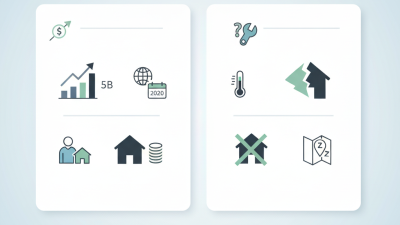
The trend of mobile house designs is increasingly focused on affordability and sustainability. A report from the International Institute of Sustainable Development highlights that the demand for affordable housing has surged by 50% in the past five years. Many urban dwellers seek innovative solutions that blend cost-effectiveness with eco-friendly materials.

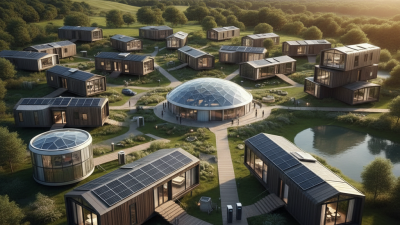
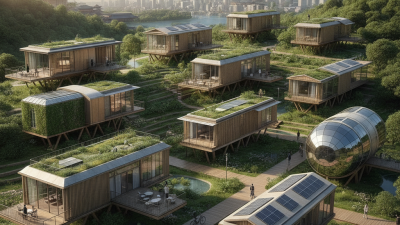
Modern mobile houses often use recycled materials. This practice addresses waste and reduces construction costs. Studies show that homes built from sustainable materials can cut energy consumption by up to 30%. Features such as solar panels and rainwater harvesting are becoming standard. These innovations promote self-sufficiency, which is a growing priority among consumers.

However, challenges remain. While mobile houses can be economical, some designs lack durability. The lifespan of a mobile home may not match that of traditional construction. Furthermore, zoning regulations can hinder placement options. Land use policies often do not accommodate these innovative designs. Stakeholders must collaborate to address these issues and enable the future of mobile housing.
Innovative Materials in China's Mobile Housing Sector: A Comparative Analysis

In recent years, China's mobile housing sector has witnessed significant innovations. One key focus is the use of innovative materials. These materials enhance structural integrity while reducing costs. For instance, lightweight composites are gaining popularity. They improve transport efficiency and ease of assembly. Structures made from such materials can be assembled in days instead of months. This rapid deployment is vital in addressing housing shortages.

Another trend involves the integration of eco-friendly materials. Bamboo and recycled plastics are becoming common. These materials not only lower carbon footprints but also promote sustainability. However, their long-term durability is still under scrutiny. Many builders question whether these innovative materials can withstand harsh conditions over time. Balancing innovation with reliability remains a challenge.

Future research in this area is essential. It can help identify the best practices for material combinations. Understanding how these materials perform in various climates will inform better designs. As the sector grows, maintaining a focus on quality, alongside innovation, is crucial for lasting impact. While advancements show promise, the industry must navigate these complexities carefully.

Impact of Smart Technology on Mobile House Functionality and Appeal

The integration of smart technology is revolutionizing mobile housing. Modern designs are not only compact but also functional. Think about smart home systems that manage everything from lighting to temperature. These systems enhance comfort and energy efficiency.

Mobile houses are becoming more appealing with automation. Voice-activated controls make living easier for everyone. Imagine being able to adjust your home environment without lifting a finger. Innovations like smart locks and security cameras also increase safety.

However, while technology improves convenience, it requires careful consideration. A fully automated home can lead to over-dependence on devices. What happens if there is a system failure? It’s crucial to weigh the pros and cons. The blend of smart technology and mobile housing creates exciting opportunities but also raises important questions.

Impact of Smart Technology on Mobile House Functionality and Appeal

Market Growth Projections for Mobile Homes in China: Data and Insights

The mobile home market in China is experiencing substantial growth. Recent data showcases a rising demand for affordable and flexible living solutions. This trend is driven by urbanization and a younger population seeking mobility. With many cities facing housing shortages, mobile homes offer a practical solution.

Investing in mobile homes can be advantageous. Potential buyers should understand local regulations and zoning laws. It's vital to choose locations that promise infrastructure development. Emerging trends show that eco-friendly designs are becoming popular. Consumers are interested in sustainability. They prefer options that reduce environmental impact.

Tips: Research the market trends before making decisions. Explore communities that prioritize mobile housing. Engage with experts who can provide insights into future developments. Staying informed can guide you toward smart investments. Embrace flexibility but remain cautious. The mobile home market is promising but needs careful consideration.

Consumer Preferences: What Chinese Buyers Look for in Mobile Housing

In recent years, mobile housing has captured the attention of Chinese buyers. Increased urbanization and rising living costs drive many to seek innovative housing solutions. Mobile homes offer flexibility and affordability, appealing to a diverse demographic. Buyers favor designs that maximize space and functionality. A well-designed layout can transform small mobile spaces into cozy homes.

Sustainability is another key factor. Many consumers prefer eco-friendly materials and energy-efficient features. This shift reflects a growing awareness of environmental issues. However, while these homes can be greener, not all innovations meet quality standards. Some features may not be as durable as expected, leading to buyer regret.

Customization is crucial. Homebuyers in China often look for unique designs that reflect personal tastes. Color choices, floor plans, and smart home integrations appear high on their lists. However, with a vast array of options come potential overwhelm. Buyers may struggle to navigate the choices meaningfully, leading to decision fatigue. Balancing personal preference with practical concerns remains a challenge.