How to Choose the Best Mobile House for Your Needs?
Choosing the right Mobile House can feel overwhelming. There are many options available, and each offers unique features. This decision impacts your lifestyle, budget, and comfort.
When evaluating your choices, consider your personal needs. Think about the size, layout, and amenities that matter most to you. A Mobile House can range from simple to luxurious, and each has a different purpose. Research is essential; insights from experienced owners can guide your selection process.
Don’t rush your decision. Take time to explore various models and designs. Understand how each Mobile House suits your daily life, goals, and future plans. Reflect on your priorities, and maintain flexibility in your criteria. A Mobile House should feel right for you.
Factors to Consider When Selecting a Mobile House
When selecting a mobile house, several key factors come into play. First, consider the size you need. Are you looking for a cozy retreat or space for a family? Room layout matters too. Ensure the kitchen and living areas fit your lifestyle. A practical floor plan can enhance daily comfort.
Another crucial factor is insulation. Proper insulation keeps your mobile house cozy in winter and cool in summer. Consider the climate in your area when making your choice. Look for quality materials that provide durability and energy efficiency.
Tip: Always check local zoning laws before purchasing. Regulations can affect your mobile house placement.
Don’t overlook your budget. While it may be tempting to choose a more luxurious model, ensure it aligns with your financial situation. Calculate long-term costs, including maintenance and utilities. Investing in a mobile house should meet your needs without causing financial strain.
Tip: Visit mobile house shows to compare various designs and features. Experiencing homes in person can help clarify your preferences.
Understanding Different Types of Mobile Houses and Their Features
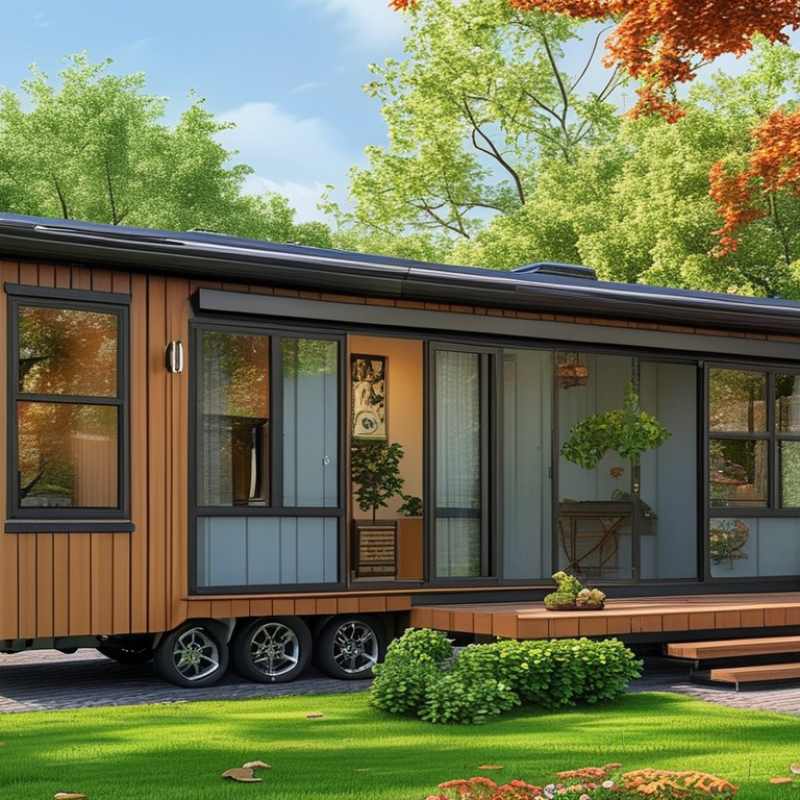
When choosing a mobile house, understanding the different types is essential. Mobile houses include single-section units, double-section models, and more advanced modular homes. Each type has unique characteristics. Single-section homes are compact and affordable, making them a great choice for singles or couples. They often feature open floor plans, which enhance space usability.
Double-section units, on the other hand, provide additional space and often include separate living areas. These homes are ideal for families, as they typically feature multiple bedrooms and bathrooms. Modular homes are built in sections and can be customized extensively. They offer various layouts and finishes, giving homeowners flexibility. Different insulation options can also impact energy efficiency, which is crucial for your comfort and utility bills.
While evaluating these homes, it's important to consider your specific needs. Will you require extra space for hobbies? Are you planning a family? These questions can guide your decision-making. Remember that the best choice may not always be the most glamorous or expensive option. Reflect on what truly matters for your lifestyle to ensure you select a mobile house that meets your long-term needs.
Evaluating Budget: Cost Estimates for Purchasing and Maintaining Mobile Homes
When considering a mobile home, evaluating the budget is crucial. According to the U.S. Census Bureau, the average price of a new mobile home is around $100,000. This figure can vary widely based on location, size, and features. In areas with higher living costs, prices may exceed $200,000. Understanding these costs helps in planning your finances effectively.
Maintenance is another key aspect. The National Association of Home Builders estimates that ongoing maintenance for mobile homes can range from 1% to 3% of the home’s value annually. This means if your home is worth $100,000, you should budget between $1,000 and $3,000 each year for repairs and upkeep. It’s essential to be realistic about these expenses to avoid financial strain.
Consider also utilities and land fees. Mobile homes on rented land could incur additional monthly charges. Data from the Manufactured Housing Institute suggests that monthly lot rents can run from $200 to $600. If you own the land, property taxes will apply. Reflecting on these hidden costs can reveal the true financial commitment of owning a mobile home. Balancing dream and budget requires careful thought.
How to Choose the Best Mobile House for Your Needs? - Evaluating Budget: Cost Estimates for Purchasing and Maintaining Mobile Homes
| Cost Element |
Estimated Cost ($) |
Monthly Maintenance ($) |
Notes |
| Purchase Price |
30,000 - 150,000 |
N/A |
Varies based on size and condition |
| Lot Rent |
200 - 800 |
200 - 800 |
Location dependent |
| Utilities |
150 - 300 |
150 - 300 |
Electricity, water, gas |
| Insurance |
600 - 1,200 |
50 - 100 |
Annual premium |
| Property Taxes |
300 - 1,500 |
25 - 125 |
Depends on local rates |
| Maintenance & Repairs |
500 - 2,000 |
50 - 200 |
Annual budget |
Assessing Location and Zoning Regulations for Mobile Home Placement
When selecting a mobile home, understanding location and zoning regulations is crucial. Zoning laws dictate where you can place your mobile home. In many areas, these regulations change significantly from one municipality to another. For instance, a study by the American Planning Association indicates that over 70% of cities impose specific zoning requirements for mobile homes, which can include minimum lot sizes and design standards.
Assessing your chosen location involves more than just zoning laws. Consideration of local infrastructure is essential. Access to utilities like water, electricity, and waste management can affect living conditions. According to the U.S. Census Bureau, a significant percentage of mobile homes are located in rural areas, impacting access to services. Additionally, proximity to schools and healthcare facilities plays a role in your home’s overall appeal.
Engage with local authorities to gain insight into specific regulations and community standards. Not all areas are welcoming to mobile homes. It’s common to encounter unexpected restrictions, such as prohibitions on mobile homes in certain districts. Researching these details can save you from future headaches. Maintaining awareness of local market trends is also important. Local demand can influence whether your investment appreciates or depreciates. Keep these factors in mind as you navigate the complexities of mobile home placement.
Exploring Energy Efficiency and Sustainability Options in Mobile Housing
When exploring mobile housing, energy efficiency and sustainability become crucial factors. According to the U.S. Department of Energy, manufactured homes can achieve energy savings of up to 30% compared to standard homes when built with modern standards. This is due to advanced insulation and energy-efficient windows that reduce heating and cooling costs. Many consumers overlook these benefits, which can lead to missed opportunities for long-term savings.
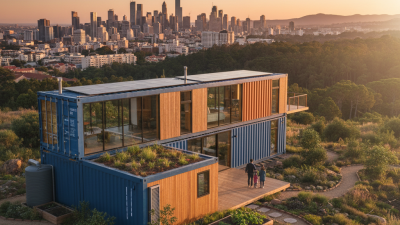
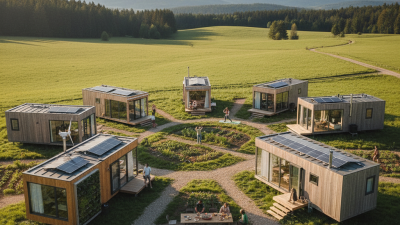
Sustainable options are growing in popularity. Incorporating solar panels is one trend gaining traction in mobile housing. A report by the National Renewable Energy Laboratory found that solar installations on manufactured homes could decrease utility bills by up to 70%. However, the installation cost can initially pose a challenge. Additionally, some mobile homes still lack proper energy assessments before purchase. Buyers should demand energy efficiency ratings to ensure they make informed choices.
While mobile housing offers flexibility and affordability, there is a need for continued focus on sustainable practices. Water conservation systems and energy-efficient appliances are essential. Yet, many homes still feature outdated systems that compromise sustainability. The industry must prioritize innovations that minimize environmental impact while also meeting consumer needs.

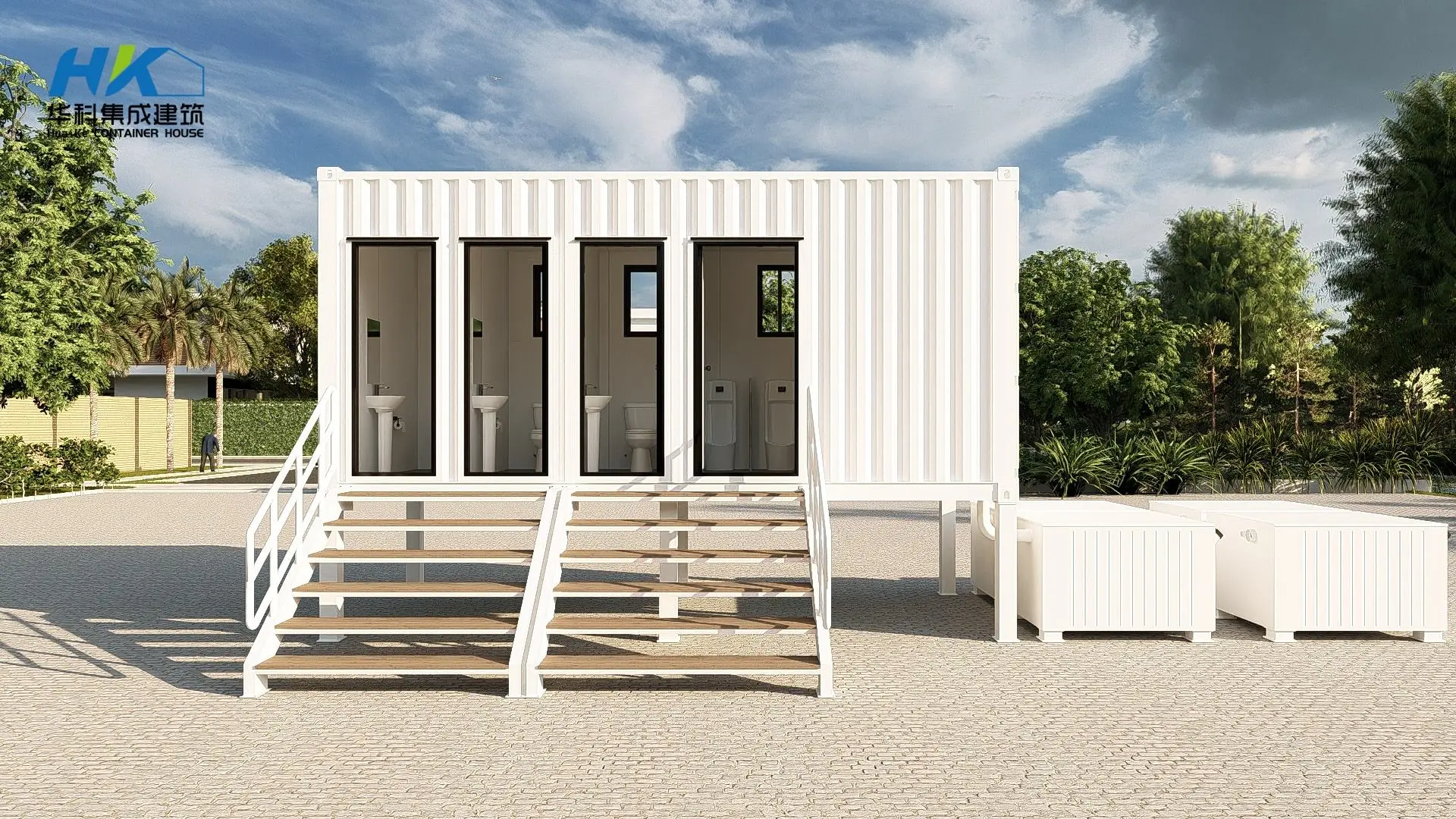 Contianer Toilet