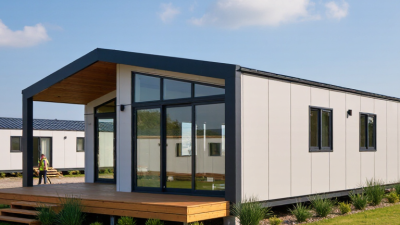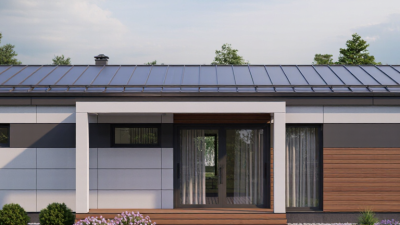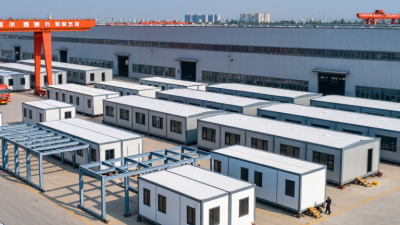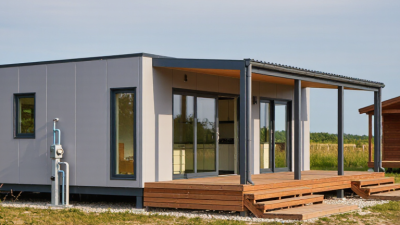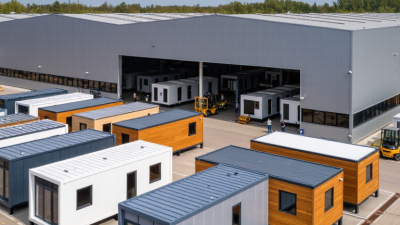
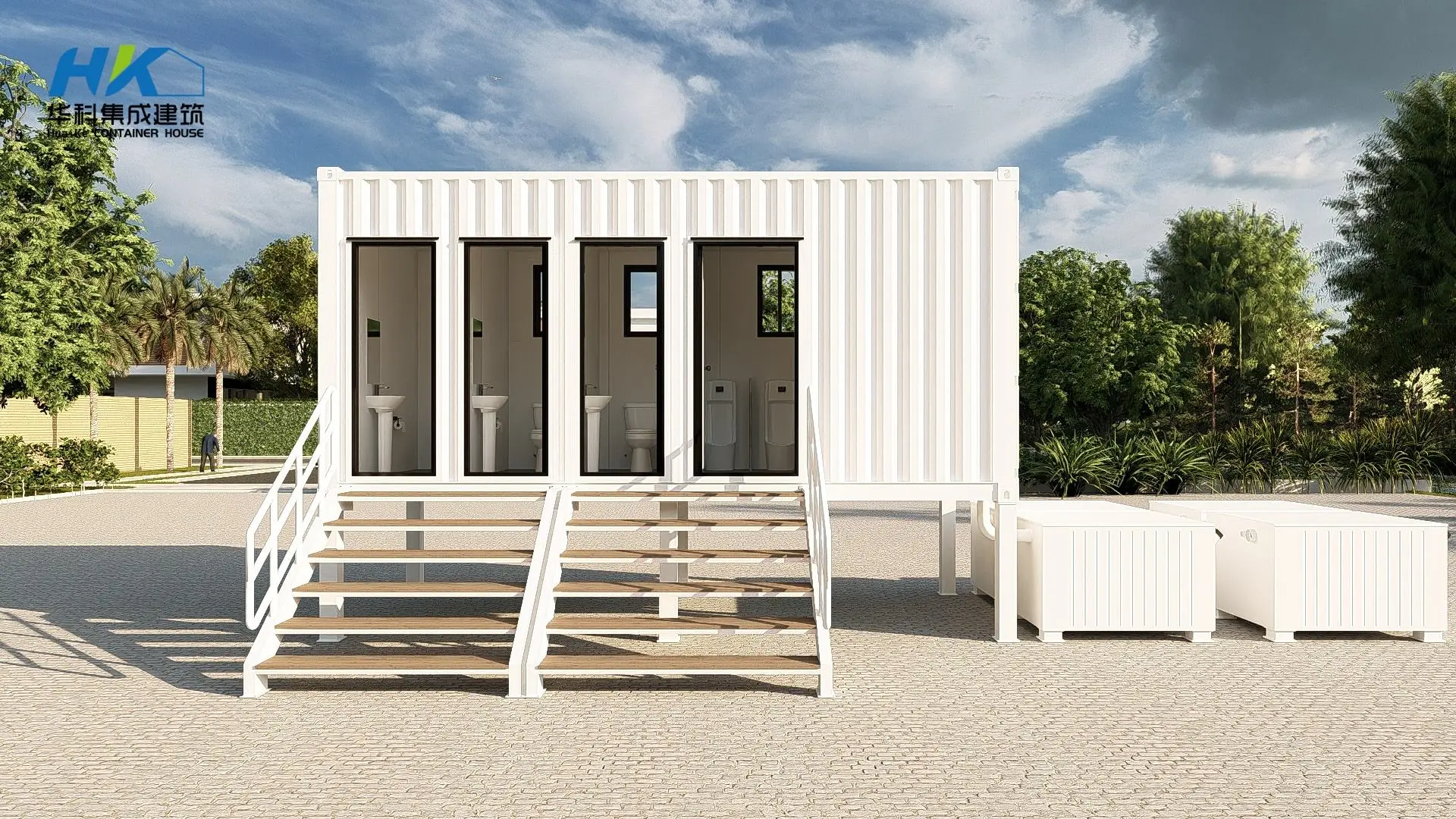
Choosing a Prefabricated House manufacturer is more complex than comparing catalogue prices. Global buyers must examine factory experience, structural quality, shipping capability, and after-sales support. A low quotation may hide transport fees, foundation work, installation costs, or climate-related upgrades.
Architect and housing researcher Avi Friedman has emphasized that prefabrication should balance industrial efficiency with personal choice. That principle remains practical today. A reliable manufacturer should offer flexible layouts, clear material specifications, and documented testing. Buyers also need evidence of completed projects in similar climates. A coastal home faces different demands from a mountain cabin.
This guide reviews leading Prefabricated House manufacturers serving international markets. It considers production capacity, design support, certifications, customization, delivery processes, and warranty terms. Factory photographs help, but they are not enough. Independent inspections and recent customer references provide stronger evidence.
Details matter. Check wall insulation, roof loading, window performance, fire resistance, and moisture protection. Confirm whether electrical systems match the destination country. Ask who handles customs documents and on-site assembly. These questions may feel slow, yet they prevent expensive surprises.
No manufacturer is perfect. Some excel at modern modular villas but struggle with remote logistics. Others offer attractive prices but limited design changes. That difference deserves honest attention. The best choice depends on project size, local regulations, budget, schedule, and long-term maintenance expectations.
For global buyers, trust is built through verifiable experience, precise contracts, and realistic promises. This overview offers a practical starting point, not a substitute for professional inspection.
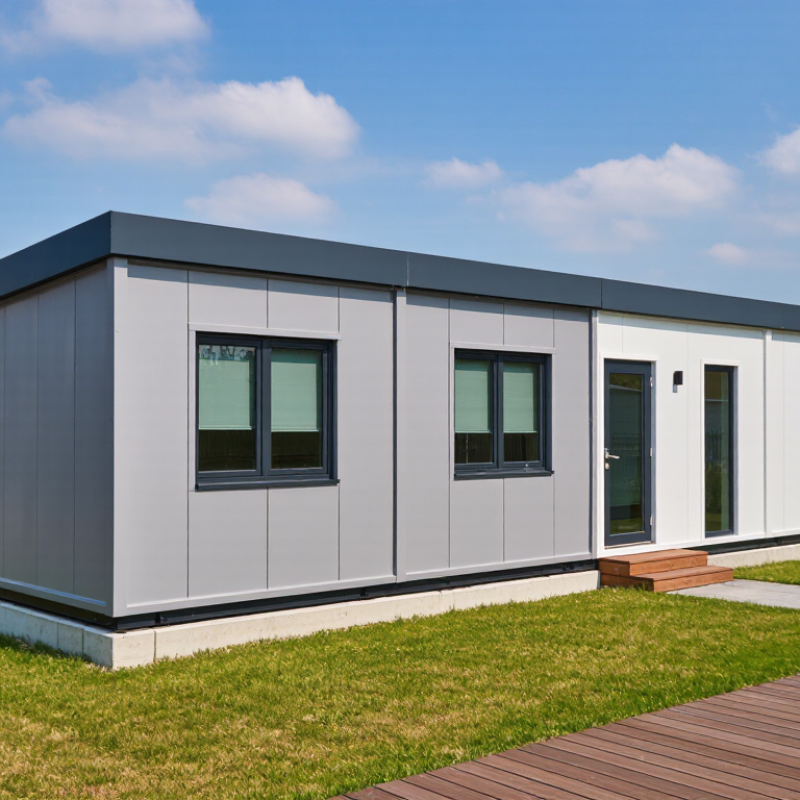
Prefabricated houses are homes produced partly or fully in a controlled factory environment. Components are then transported to a prepared site for assembly. This process can reduce weather delays, material waste, and certain labor costs. However, the term “prefabricated” is broad. The label is not always precise.
Common types include volumetric modular homes, panelized houses, and precut timber systems. Volumetric units arrive as completed rooms, often with wiring and plumbing installed. Panelized systems ship walls, floors, or roof sections for local assembly. Precut systems deliver accurately measured materials, but require more work on site. Each type suits different climates, transport routes, budgets, and construction skills.
The global market now covers residential projects, temporary housing, remote worker accommodation, and disaster-recovery rebuilding. Demand varies with urban housing shortages, infrastructure investment, and local construction costs. Buyers should check structural calculations, insulation values, fire performance, and moisture protection. Regional approval remains essential because factory production does not remove local building requirements. Experienced manufacturers normally provide drawings, quality records, installation instructions, and inspection support. These documents help buyers compare suppliers with greater confidence.
Site experience still matters. A factory may produce excellent modules, yet poor foundations can create serious problems. Transport dimensions also affect roads, cranes, ports, and delivery schedules. I have found that estimated savings sometimes ignore land preparation and utility connections. That assumption can fail. Buyers should request a complete cost schedule and clarify warranty responsibilities before signing. Even careful planning has gaps, especially across languages, currencies, and changing regulations.
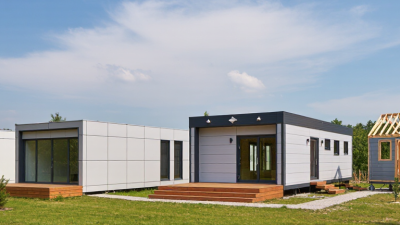
Evaluating prefabricated house manufacturers requires more than comparing catalog prices. Examine their completed projects, production history, and experience with your local climate. A manufacturer familiar with coastal humidity may design differently from one serving dry inland regions. Ask for dated project photos, client references, and factory inspection access. Real evidence matters.
Study the technical package carefully. It should identify structural systems, insulation values, fire performance, ventilation, window specifications, and expected service life. Confirm compliance with your destination’s building codes before signing. Independent testing reports are valuable, but verify the issuing laboratories. Vague certificates deserve questions. Also review the factory’s quality controls, including moisture protection, welding checks, dimensional tolerances, and final inspections.
Compare the full delivered cost, not only the factory quotation. Include foundations, transport, permits, assembly, utility connections, taxes, and local labor. Request a room-by-room specification and a change-order procedure. A reliable manufacturer explains exclusions clearly. Payment stages should match measurable production milestones. Check the warranty period, response times, spare-part access, and responsibility for installation defects. Speak with recent customers, preferably those using similar designs and site conditions. No checklist is perfect. I would still arrange a small prototype review before committing to a large order. Minor issues, such as door alignment or condensation around frames, can reveal weaknesses hidden in polished brochures.
Regional demand is reshaping the prefabricated housing market. UN DESA projects that 68% of people will live in cities by 2050. This favors compact, factory-made housing near transport networks. In Europe, buyers often prioritize timber panelized systems and strong insulation. North American projects frequently use volumetric modules for rapid site assembly. In Asia and the Middle East, steel modules suit dense development and demanding transport conditions.
Construction method matters as much as location. Panelized construction ships flat walls, reducing transport volume and allowing design flexibility. Volumetric construction delivers finished rooms, including wiring, plumbing, and bathroom fixtures. Hybrid systems combine both approaches. McKinsey estimates that modular construction could create more than 100 billion dollars in annual value across major real estate markets. That estimate remains ambitious, not guaranteed.
Energy performance deserves closer attention. The International Energy Agency reports that buildings consume about 30% of global final energy and produce roughly 26% of energy-related emissions. Buyers should request tested U-values, airtightness results, fire documentation, and factory quality records. A low factory price can hide expensive foundations, cranes, permits, or ocean freight. The spreadsheet may look perfect. It can still mislead. Local wind loads, moisture exposure, and repair access often determine whether a promising system performs well after installation.
Choosing a prefabricated house manufacturer requires more than comparing catalog photos. Product quality appears in wall thickness, insulation continuity, roof drainage, window seals, and factory inspection records. During project reviews, I have found that small details often decide long-term comfort. Ask for material samples, welding or connection standards, moisture testing, and a clear defect-remedy process. A polished showroom can still hide inconsistent production.
Compliance must match the destination, not only the factory’s domestic rules. Request structural calculations, fire-performance documents, electrical specifications, and evidence of testing accepted in your market. Pricing should include packaging, transport, duties, foundation requirements, installation, and replacement parts. A low quote can look attractive. It may become expensive after delivery. Customization also needs boundaries. Confirm floor plans, climate loads, finishes, plumbing points, and revision costs before signing technical drawings.
Tips: Compare identical specifications, not headline prices. Ask for a written tolerance range. Check recent projects in similar climates. Keep payment stages linked to inspection milestones. No checklist is perfect. Allow time for an independent review, because rushed decisions can turn a simple design change into a costly correction. Be careful with promises about delivery dates; port delays and permit reviews remain outside a manufacturer’s control.
Top Prefabricated House Manufacturers for Global Buyers
Global buyers should begin with the site, not the catalog. Confirm land access, soil conditions, climate, utilities, and local building rules. Then request drawings, material specifications, factory photos, and recent project references. A serious manufacturer should explain tolerances, insulation ratings, fire performance, and installation duties clearly. McKinsey’s report, Modular Construction: From Projects to Products, suggests modular methods can reduce schedules by 20–50% in suitable projects. That benefit disappears when transport, permits, or foundation work is ignored.
Compare complete landed costs, not factory prices. Ask for packaging, shipping, customs documents, crane work, assembly, taxes, warranty travel, and spare parts. Check production capacity through audit records, quality procedures, and independent inspections. ISO 9001 certification can support process control, but it does not replace project-specific verification. Request a staged payment plan linked to approved drawings, factory inspection, shipment, and handover. Keep every promise in the contract. Verbal assurances are difficult to enforce across borders.
Tips: Build a comparison sheet with at least three manufacturers. Record delivery dates, excluded work, certifications, and response times. The cheapest offer may hide weak roofing, limited after-sales support, or expensive local modifications. The World Green Building Council reports that buildings account for roughly 39% of global energy-related carbon emissions when construction is included. Therefore, compare insulation, windows, heating demand, and expected maintenance, not appearance alone. I would also order a small sample or mock-up before approving full production. It costs more now, but prevents a larger and embarrassing mistake later.
| Step | Evaluation Dimension | What a Suitable Manufacturer Should Provide | Documents, Tests, or Data to Verify | Recommended Buyer Action |
|---|---|---|---|---|
| 1 | Export Eligibility and Legal Identity | A clearly identified legal manufacturing entity with a traceable factory address, authorized signatory, tax details, and experience supplying the destination market. | Business registration, factory address, export records where legally disclosable, signed quotations, and the name of the contracting entity. | Confirm that the quotation, contract, invoice, and bank account belong to the same legal entity. |
| 2 | Product Type and Structural System | A defined construction system such as modular volumetric, panelized, steel-frame, timber-frame, or precast concrete, with stated limits for size, span, transport, and site assembly. | Structural drawings, material specifications, connection details, module dimensions, maximum transport size, and installation method statements. | Select a system that matches local transport access, foundation conditions, climate, and building-code requirements. |
| 3 | Destination-Country Code Compliance | The design must be adaptable to the mandatory building, planning, structural, fire, energy, electrical, and plumbing rules of the destination jurisdiction. | Code-compliance matrix, engineer-stamped drawings where required, product conformity documents, and approval responsibilities stated in writing. | Appoint a local architect or engineer before signing the final design and production contract. |
| 4 | Climate and Structural Performance | Engineering that considers local wind, snow, seismic, temperature, humidity, corrosion, and foundation conditions rather than relying only on a standard model. | Structural calculations, design load assumptions, thermal calculations, moisture-control details, corrosion protection specifications, and foundation interface drawings. | Send the manufacturer the project location and request written confirmation of the design loads used. |
| 5 | Factory Quality Management | Documented inspection procedures covering incoming materials, production stages, dimensional tolerances, waterproofing, electrical work, final inspection, and corrective actions. | Quality manual, inspection and test plans, batch records, material certificates, nonconformance reports, and dated factory-inspection photographs or videos. | Include buyer inspection rights and an independent pre-shipment inspection in the contract. |
| 6 | Material Transparency | The manufacturer should identify the grades, thicknesses, fire classifications, finishes, insulation types, windows, doors, fixtures, and replacement parts included in the price. | Bill of materials, technical data sheets, safety data where applicable, product certificates, approved samples, and a list of permitted substitutions. | Attach the approved bill of materials and sample schedule to the purchase contract. |
| 7 | Energy and Indoor-Comfort Features | A clearly specified envelope with insulation, air-sealing, glazing, shading, ventilation, and heating or cooling provisions suited to the local climate. | U-values or R-values, window performance data, condensation-control details, energy calculations, ventilation specifications, and equipment efficiency data. | Compare the complete wall, roof, floor, and window assemblies instead of comparing insulation thickness alone. |
| 8 | Fire and Life Safety | Fire-resistant assemblies, safe escape routes, smoke and heat detection provisions, fire stopping, and compliant electrical and gas installations where applicable. | Fire-test reports, reaction-to-fire classifications, assembly details, fire-stopping specifications, detector layout, and local authority requirements. | Have the proposed wall, floor, ceiling, door, and cladding assemblies reviewed by the local approving professional. |
| 9 | Customization and Design Control | A controlled process for changing layouts, finishes, openings, services, accessibility features, and local utility connections without creating undocumented variations. | Revision-controlled drawings, change-order forms, finish schedules, approval milestones, and a final “approved for production” drawing set. | Freeze all design decisions before production and require written approval for every later change. |
| 10 | Shipping and Packaging | A realistic logistics plan covering packing, loading, container or break-bulk shipment, port handling, insurance, customs documents, unloading, and site delivery. | Packing list, shipping dimensions and weights, loading photographs, commercial invoice, certificate of origin where needed, transport insurance, and delivery terms under Incoterms®. | Obtain a destination-port and site-delivery quotation, not only a factory or port price. |
| 11 | Site Preparation and Installation Scope | Clear allocation of responsibility for surveys, foundations, cranes, utilities, assembly labor, weather protection, commissioning, waste removal, and local permits. | Site-readiness checklist, foundation drawings, installation manual, lifting plan, crew requirements, equipment list, and a responsibility matrix. | Price the complete installed project separately from the factory supply price. |
| 12 | Lead Time and Production Milestones | A written schedule that separates design approval, permitting, procurement, production, inspection, shipping, customs clearance, installation, and handover. | Project program, milestone payment schedule, production-progress reports, delay-notice procedure, and stated consequences for missed milestones. | Avoid relying on a single total lead-time promise; identify the critical path and buyer dependencies. |
| 13 | Total Landed and Installed Cost | The price should distinguish the factory package from design fees, testing, permits, foundations, shipping, duties, taxes, cranes, installation, utility connections, and local professional fees. | Itemized quotation, inclusions and exclusions list, payment terms, tax assumptions, currency, validity period, and change-order rates. | Compare suppliers using the same scope of supply and calculate the full project cost to occupancy. |
| 14 | Payment Security | Payments linked to verifiable milestones, with reasonable retention or holdback until inspection, delivery, commissioning, and document handover. | Contract payment schedule, inspection-release conditions, refund provisions, bank details, escrow or documentary-credit options, and dispute clauses. | Do not make the final payment before completing the agreed inspection and receiving essential compliance documents. |
| 15 | Warranty and After-Sales Support | Separate warranty terms for structure, waterproofing, finishes, equipment, appliances, and supplied components, with a practical process for reporting and resolving defects. | Warranty certificate, exclusions, response times, spare-parts policy, remote-support process, local service arrangements, and defect-report form. | Confirm who pays for labor, travel, replacement parts, and shipping when a warranty issue occurs overseas. |
| 16 | Reference Projects and Factory Audit | Verifiable completed projects with comparable climate, building regulations, size, complexity, and installation conditions. | Client references with permission, project photographs, completion records, independent inspection results, and a live or virtual factory audit. | Contact at least two previous buyers and verify whether the delivered scope, quality, schedule, and after-sales service matched the contract. |
| 17 | Final Acceptance and Handover | A defined acceptance procedure covering appearance, dimensions, operation of services, water tightness, safety systems, documentation, and outstanding defects. | Inspection checklist, commissioning records, as-built drawings, operation and maintenance manuals, certificates, keys, warranties, and punch list. | Record defects in a signed punch list and link final retention release to satisfactory completion. |