Leave Your Message

10 Best Prefab House Manufacturers for Global Buyers?

Choosing a reliable Prefab House manufacturer is rarely as simple as comparing prices online. Global buyers must examine design quality, factory experience, material standards, delivery systems, and after-sales support. A low quotation may exclude foundations, shipping, local permits, insulation upgrades, or installation supervision.

This guide introduces ten leading prefab house manufacturers serving international markets. Each company is considered through practical factors, including production capacity, customization options, structural engineering, energy performance, and project communication. We also look at how manufacturers handle different climates, from humid coastlines to cold mountain regions. Details matter. A wall panel, roof joint, or window frame can affect comfort for years.

No manufacturer is perfect. That deserves attention. Product catalogs may appear impressive, while real project support varies by country. Published certifications should be checked with issuing bodies, and local building requirements must be confirmed before signing a contract. Buyers should request detailed drawings, material specifications, warranty terms, installation instructions, and references from completed projects.

The ranking is therefore a practical starting point, not a final verdict. It reflects available evidence, international experience, and suitability for different buyer needs. Some companies may suit rapid housing projects, while others may perform better for luxury homes or remote sites. Careful comparison remains essential. A successful purchase depends on more than a beautiful showroom model. It depends on clear communication, realistic budgeting, verified compliance, and dependable support after delivery.
10 Best Prefab House Manufacturers for Global Buyers?

What Makes a Prefab House Manufacturer Suitable for Global Buyers?

A suitable prefab house manufacturer understands that global buyers face different climates, building codes, and site conditions. Experience should appear in practical details, not only polished brochures. Ask for structural calculations, material specifications, test reports, and completed project references. Their drawings should clearly show wall layers, insulation, roof loads, and connection points. Paperwork matters.

Reliable manufacturers also adapt designs to local requirements. A coastal project may need stronger corrosion protection, while a cold region requires thicker insulation and tested heating solutions. The factory should explain how it manages moisture, wind, snow, fire resistance, and seismic risks. Vague answers are warning signs. Clear answers build trust.

Logistics require equal attention. The manufacturer should provide accurate packing lists, container loading plans, installation manuals, and spare-part procedures. Experienced teams can identify damaged panels from shipment photos and guide local installers through video calls. However, no checklist replaces local inspection. Soil conditions, permits, and labor skills can change the final result. Buyers should verify these points with independent professionals. Even a well-engineered house may need revisions after a site survey. That is not failure; ignoring the evidence is. Transparent pricing should include packaging, documentation, delivery assumptions, and possible design changes. Regular communication, traceable quality checks, and honest limitations often matter more than impressive production speed.
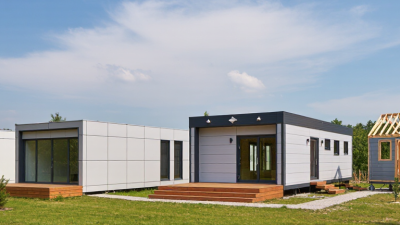
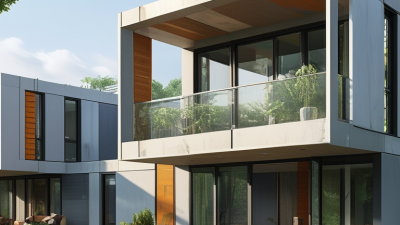
How to Compare the Top 10 Prefab House Manufacturers Worldwide

Comparing the top 10 prefab house manufacturers worldwide requires more than checking attractive online photos. Review factory capacity, completed projects, export experience, and independent certifications. Ask for inspection records, not only digital brochures. A reliable manufacturer should explain structural design, fire resistance, insulation values, and wind or snow-load calculations clearly.

Study the complete cost. Include design changes, foundations, packaging, shipping, customs handling, installation, and local permits. A low factory price can become expensive after delivery. Request a room-by-room specification and a payment schedule linked to production milestones. Check whether electrical systems, plumbing, doors, and windows match the destination country’s standards.

Visit a completed project when possible. Touch the wall panels. Inspect roof joints, bathroom seals, floor levels, and drainage details. Speak with the owner about delays and after-sales support. Ten manufacturers may offer similar layouts, but their response times can differ sharply. Ask how they handle damaged panels or missing hardware.

A polished website proves little. Independent verification matters more. I would also compare warranty wording carefully, because “structural warranty” may exclude several practical components. No evaluation is perfect. Local soil, climate, and labor conditions can change the final result. A strong supplier shares drawings, test data, references, and limitations before requesting a deposit.

Manufacturing Quality, Certifications, and International Building Standards

10 Best Prefab House Manufacturers for Global Buyers?

Manufacturing Quality, Certifications, and International Building Standards

Choosing among the 10 best prefab house manufacturers requires more than comparing catalog prices. Inspect the factory’s production records, material traceability, and quality control procedures. Reliable manufacturers measure steel thickness, timber moisture, weld penetration, and panel dimensions before shipment. Photographs help, but independent inspections provide stronger evidence. Ask for batch numbers, inspection reports, and factory acceptance testing records.

Certifications should match the destination market. ISO 9001 can indicate a structured quality system, but it does not guarantee a durable house. Welding may require separate competence and inspection standards. Electrical, fire, insulation, and structural certificates must cover the actual building system. Check whether documents are current, verifiable, and issued for the correct product. A certificate from another project may be useless.

International compliance is never one-size-fits-all. A design may need the International Building Code, Eurocodes, or regional wind and seismic standards. Local engineers should verify foundations, snow loads, fire separation, drainage, and energy performance. Small details matter. A door specification suitable for a dry climate may fail in coastal conditions. Even experienced buyers can overlook transport damage or site tolerances. That is where the process needs honest review. Request assembly drawings, installation training, spare-part support, and a clear responsibility matrix before signing.

Pricing, Customization, Shipping, and Installation Services

Choosing among the 10 best prefab house manufacturers requires more than comparing factory prices. The Modular Building Institute reported that permanent modular construction represented 6.64% of new U.S. construction in 2023. That growth reflects faster delivery, but not identical quality. Ask each manufacturer for a complete price schedule covering design, materials, packaging, export documents, inland transport, foundation work, and taxes. A low factory quote can become expensive after port handling and site preparation.

Customization should include insulation, window specifications, electrical standards, roof loading, and interior finishes. Confirm the design supports local wind, snow, seismic, and fire requirements. Some suppliers show impressive digital layouts but charge heavily for small changes. That is easy to miss. Practical experience suggests requesting one engineered sample drawing before signing. The customization limit should be written clearly.

Shipping plans need container dimensions, loading photographs, cargo insurance, Incoterms, and a damage-report procedure. Drewry’s World Container Index has repeatedly shown major week-to-week freight volatility, so fixed delivery assumptions deserve caution. Installation support may include foundation drawings, remote supervision, local crews, crane guidance, and commissioning. Check whether warranty coverage includes labor, replacement parts, and water leakage. Reports from Grand View Research identify continuing expansion in the global prefabricated construction market, yet market growth does not remove project risk. The best manufacturer is usually the one that explains exclusions plainly, not the one promising the fastest build. A useful question remains: what happens when the site differs from the factory drawings?

10 Best Prefab House Manufacturers for Global Buyers? - Pricing, Customization, Shipping, and Installation Services

Independent comparison of common prefab-manufacturer capability profiles for international buyers. Prices are indicative industry ranges and should be confirmed through a project-specific quotation.
Rank Manufacturer Profile Typical Product System Indicative Factory Price Customization Level Export & Compliance Support Shipping Method Installation Service Typical Lead Time Warranty Guidance Best Suited For Buyer Assessment
1 High-volume steel-frame exporter Light-gauge steel frames with insulated wall and roof panels US$350–750/m² High
Standard layouts plus engineered modifications
Usually provides packing lists, commercial invoices, structural drawings, and basic export documentation Flat-packed sea containers; reduced volume compared with completed modules Remote technical guidance; local installation partners may be available 8–16 weeks after approved drawings and deposit Commonly 1–2 years for materials and workmanship; verify exclusions Residential developments, worker housing, and repeat projects ★★★★★
2 Modular volumetric specialist Factory-finished three-dimensional modules with integrated services US$800–1,600/m² Medium–High
Interior finishes and layouts can be adapted
Typically supports structural calculations and container-loading documentation Oversized cargo, roll-on/roll-off, or specialized container transport Supervised site assembly is commonly offered; crane access is required 12–24 weeks, depending on finish level and transport route Often 1–5 years by component; request a written warranty schedule Hotels, offices, clinics, and fast-track accommodation ★★★★★
3 Flat-pack panel-house producer Prefab wall, floor, and roof panels shipped as a compact kit US$250–600/m² Medium
Best results with standardized plans
May provide technical files; local approval remains the buyer’s responsibility Containerized sea freight with efficient packing density Assembly manuals, video support, and optional on-site technicians 6–12 weeks for standard models Typically 1–2 years; component warranties may differ Low-cost housing, remote sites, and self-managed construction ★★★★☆
4 Cold-climate insulated-panel manufacturer High-performance sandwich panels with enhanced thermal insulation US$500–1,000/m² High
Envelope, insulation, and window specifications are adaptable
May support energy calculations, fire classifications, and climate-specific specifications Flat-packed or bundled container shipment Installation supervision is commonly available; airtightness detailing is important 10–18 weeks Usually 2–5 years for envelope-related defects, subject to contract terms High-altitude, northern, and energy-efficient housing projects ★★★★☆
5 Tropical and coastal prefab specialist Corrosion-resistant steel or treated timber systems with ventilated envelopes US$400–900/m² High
Shading, ventilation, roof pitch, and finishes can be tailored
May provide wind-load information and material specifications; coastal approvals vary by location Container shipping with moisture-protection packaging On-site supervision or installer coordination may be offered 8–16 weeks Usually 1–3 years; corrosion protection requires separate confirmation Island resorts, coastal homes, and humid climates ★★★★☆
6 Sustainable timber-frame producer Engineered timber frames, insulated panels, and renewable-material finishes US$700–1,500/m² High
Strong architectural and interior-design flexibility
May provide chain-of-custody documents, structural drawings, and environmental declarations Flat-packed frames or partially assembled modules Technical supervision is often available; skilled local carpenters are recommended 12–24 weeks Commonly 2–5 years for workmanship; timber maintenance is usually excluded Eco-homes, premium residences, and low-carbon developments ★★★★☆
7 Budget accommodation-kit supplier Economical steel or panel kits with simplified internal finishes US$200–450/m² Low–Medium
Mostly catalogue-based configurations
Basic export paperwork is usually available; project certification may require local consultants Containerized sea freight; some components can ship as consolidated cargo Installation drawings and remote support; local labor normally required 5–10 weeks Often 1 year for workmanship; confirm material and structural coverage Student housing, camps, temporary facilities, and entry-level homes ★★★☆☆
8 Premium turnkey module provider Factory-completed modules with kitchens, bathrooms, fixtures, and finishes US$1,200–2,500/m² High
Extensive finish and fixture selections
Usually offers coordinated drawings and a clearer scope-of-supply schedule Oversized-load transport, specialist handling, and crane placement Full installation and commissioning may be available 16–30 weeks Often 2–5 years, with separate manufacturer warranties for appliances and equipment Luxury residences, hospitality, and turnkey commercial projects ★★★★☆
9 Rapid-deployment emergency housing supplier Portable cabins, relocatable modules, and quickly assembled shelter units US$300–800/m² Medium
Layout changes are possible within standardized modules
Typically provides fire, electrical, and structural documentation for the selected system Flat-packed units or standard modules by container and truck Rapid setup teams or local assembly instructions may be provided 3–8 weeks for standard units Commonly 1–2 years; durability depends on relocation frequency Disaster response, temporary classrooms, medical posts, and site offices ★★★☆☆
10 Small-batch architect-led manufacturer Custom modular or panelized homes produced in limited quantities US$900–2,000/m² Very High
Design-led customization with longer engineering stages
May coordinate local code reviews, permitting drawings, and project-specific engineering Project-specific transport planning; shipping costs can be significant Usually provides detailed installation coordination or a managed build option 18–36 weeks Typically 2–5 years; contract wording and local consumer law apply Unique residences, boutique developments, and design-sensitive projects ★★★★☆

Important: Factory prices generally exclude land, foundations, local permits, taxes, customs duties, inland delivery, utility connections, cranes, and site preparation. Before placing an order, request a project-specific quotation, engineering package, Incoterms, delivery schedule, installation scope, payment milestones, and written warranty terms.

Key Factors for Choosing the Right Prefab House Manufacturer by Region

10 Best Prefab House Manufacturers for Global Buyers

Choosing a prefab house manufacturer requires more than comparing online prices. Regional conditions can change the entire project. In Canada, buyers should examine insulation, snow-load engineering, and heating performance. Coastal areas require corrosion-resistant materials and stronger wind protection. In tropical regions, ventilation, shading, drainage, and mold resistance deserve close attention. Local building codes must be confirmed by qualified professionals before production begins.

A reliable manufacturer should provide structural calculations, material specifications, factory quality records, and clear installation instructions. Ask whether the company has delivered homes in a similar climate. Request references, inspection photographs, and details about replacement parts. Shipping distance also matters. A low factory price may become expensive after customs fees, inland transport, foundation work, and local labor. Some manufacturers communicate well before payment, then respond slowly after delivery. That risk deserves honest attention.

Tips: Compare complete project costs, not unit prices. Check certificates with independent sources. Confirm who manages permits and site preparation. Review the contract line by line. Avoid vague promises about delivery dates or lifetime performance. A video tour of a factory is useful, but it is not the same as an independent audit. I would also order material samples when possible. Small color differences seem minor, yet they can reveal inconsistent production. Regional experience is valuable, but it should never replace documented engineering and local approval.