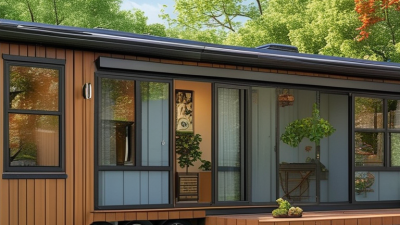
10 Essential Tips for Building Your Container House Dream?
Building a container house can be an exciting journey. These homes offer unique design possibilities and eco-friendly living options. However, it's essential to approach this project with careful planning and knowledge. The container house concept requires more than just stacking metal boxes.
When designing your dream container house, focus on sustainability and practicality. Use quality materials and consider local regulations. Many overlook these aspects, leading to regrets later. Imagine the thrill of transforming a simple shipping container into a stylish, modern space. Yet, there can be challenges, like insulation and permits.
In this guide, we will explore ten essential tips for constructing your container house. Each tip is rooted in expert advice and experience from those who have built their own homes. Learn from their successes and setbacks as you embark on your building adventure. By applying these insights, you can avoid common pitfalls and create a home you truly love.
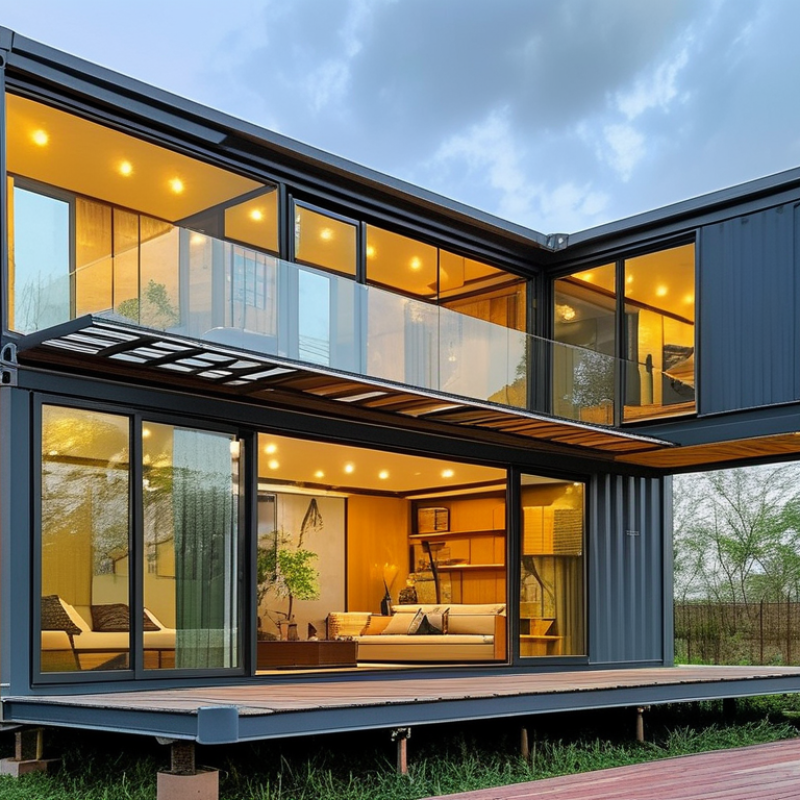
Understanding the Concept of Container Homes: Benefits and Challenges
Container homes have gained popularity due to their unique design and sustainability. These structures are often made from shipping containers, making them an eco-friendly choice. They can be constructed quickly, saving time compared to traditional homes. A report by the World Bank states that using recycled materials can reduce construction waste by up to 90%. However, building a container home comes with both benefits and challenges.
One significant benefit is affordability. Container homes can be up to 30% cheaper than traditional houses. Yet, cost fluctuations in materials can affect budgets. Insulation is critical. Containers can get hot in summer and cold in winter. Investing in proper insulation is necessary to ensure comfort year-round.
Here’s a tip: assess local zoning laws before proceeding. Regulations can vary widely. Another tip is to consider your design carefully. Maximizing natural light can make a container home feel open. Pay attention to ventilation to maintain air quality. Remember, each project is unique, requiring thoughtful planning and adjustments as challenges arise.
Selecting the Right Location for Your Container House Construction
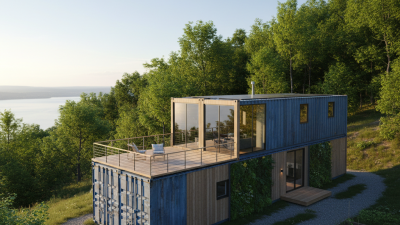
Selecting the right location for your container house is crucial. The site impacts everything from climate and access to resources. Research local building regulations and zoning laws. Some areas may have restrictions on container homes. It's essential to know what you'll need before starting.
Consider environmental factors. Does the location flood easily? Is it prone to earthquakes or heavy snowfall? Assess the land's natural drainage and elevation. Proximity to amenities can also matter. Access to schools, shops, and healthcare boosts livability.
Think about lifestyle and community. If you thrive in a vibrant setting, choose an area that reflects your values. Quiet rural locations may suit others. Visit potential sites during different seasons. Observe how they change. This can reveal hidden challenges or benefits. Balancing personal preference with practical needs is key.
Design Considerations: Space Efficiency and Aesthetic Appeal
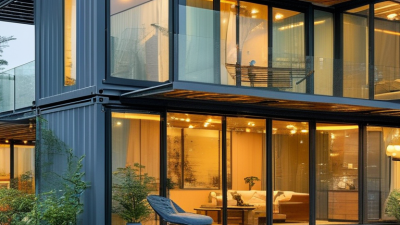
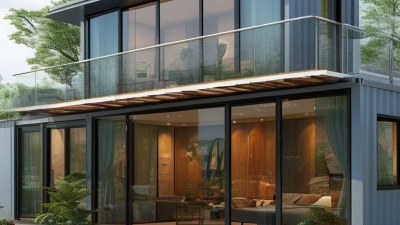
When designing a container house, space efficiency and aesthetic appeal are crucial. According to a report by Statista, 33% of homeowners want to maximize their space. Container houses provide unique solutions to this challenge. Their modular nature allows for innovative floor plans. Open-concept designs can create a sense of spaciousness. Strategic placement of windows enhances natural light and ventilation. This is vital for smaller spaces.
Selecting the right color palette and materials impacts aesthetic appeal. Use of sustainable materials is on the rise, with 36% of buyers preferring eco-friendly options. Neutral tones can make a container home feel larger and more inviting. However, it’s essential to balance minimalism with personal flair. Overdesigning can lead to cluttered spaces. Ensure meaningful decor choices that reflect individuality without overwhelming the space.
Additionally, consider outdoor connections. Incorporating decks or gardens extends living areas. This approach can mitigate the constraints of compact living. Yet, be mindful of maintenance needs. Outdoor spaces require regular care, and not everyone is prepared for this commitment. Through thoughtful design, you can create a container home that not only meets space requirements but also expresses your unique aesthetic.
Essential Permits and Legal Requirements for Container Housing
Building a container house involves navigating essential permits and legal requirements. Before beginning your dream home, it's crucial to understand local zoning laws. Many areas have strict regulations about housing structures. According to a report by the Container Housing Industry Association, nearly 40% of container home projects face legal delays due to non-compliance. Ensure you research your property’s zoning restrictions thoroughly.
Building permits are another critical aspect. Obtaining the right permits can enhance the safety and longevity of your container home. Some regions may require inspections during construction, which adds to your timeline. Accurate project documentation can mitigate risks and ensure smoother approval. Not every area treats container homes the same. Some municipalities are embracing them, while others may classify them as temporary structures.
A sustainable approach is vital, but it can create challenges. Make sure your design meets energy codes and environmental regulations. Sustainability often influences permit approvals. Thus, consider integrating green technologies. While container homes offer flexibility and affordability, understanding the complex legal landscape is key. Take time to consult with local authorities and experts; it may save you from future complications.
10 Essential Tips for Building Your Container House Dream: Essential Permits and Legal Requirements for Container Housing
| Tip Number |
Tip Description |
Permits Required |
Estimated Processing Time |
| 1 |
Research local zoning laws |
Zoning Permit |
2-4 weeks |
| 2 |
Consult with an architect |
Building Permit |
4-6 weeks |
| 3 |
Plan for utilities installation |
Utility Hookup Permit |
2-3 weeks |
| 4 |
Understand shipping container regulations |
Container Compliance Permit |
3-5 weeks |
| 5 |
Select the right site |
Site Development Permit |
3-4 weeks |
| 6 |
Check for neighborhood standards |
Neighborhood Approval |
2-3 weeks |
| 7 |
Obtain inspection services |
Inspection Permit |
2 weeks |
| 8 |
Prepare a budget |
N/A |
N/A |
| 9 |
Plan for future expansions |
Expansion Permit |
Varies |
| 10 |
Consider insurance options |
Insurance Documentation |
NA |
Sustainable Practices: Eco-Friendly Materials and Energy Solutions
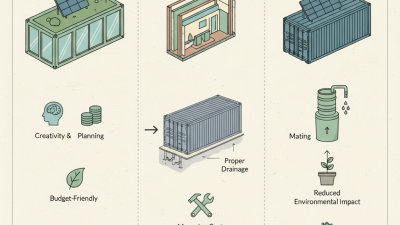
Sustainable practices are crucial for constructing a container house. Using eco-friendly materials not only reduces environmental impact but also enhances the overall aesthetics. For instance, reclaimed wood is a popular choice. It offers a rustic appeal while minimizing deforestation. Studies indicate that using recycled materials can reduce carbon emissions by up to 30%.
Energy solutions that align with sustainability are vital. Solar panels are one of the top renewable energy options. Their installation can lead to significant savings. According to the U.S. Department of Energy, homes with solar energy systems can save about $20,000 over 20 years. Additionally, designing homes to maximize natural light reduces the need for artificial lighting. However, it's essential to consider the initial investment costs and long-term benefits.
Water conservation is another critical aspect. Implementing rainwater harvesting systems can significantly cut water usage. Such systems can reduce reliance on municipal water sources by approximately 50%. Despite these advantages, some might need help with maintenance and initial setup costs. Reflecting on these challenges can lead to more informed choices when building a sustainable container home.

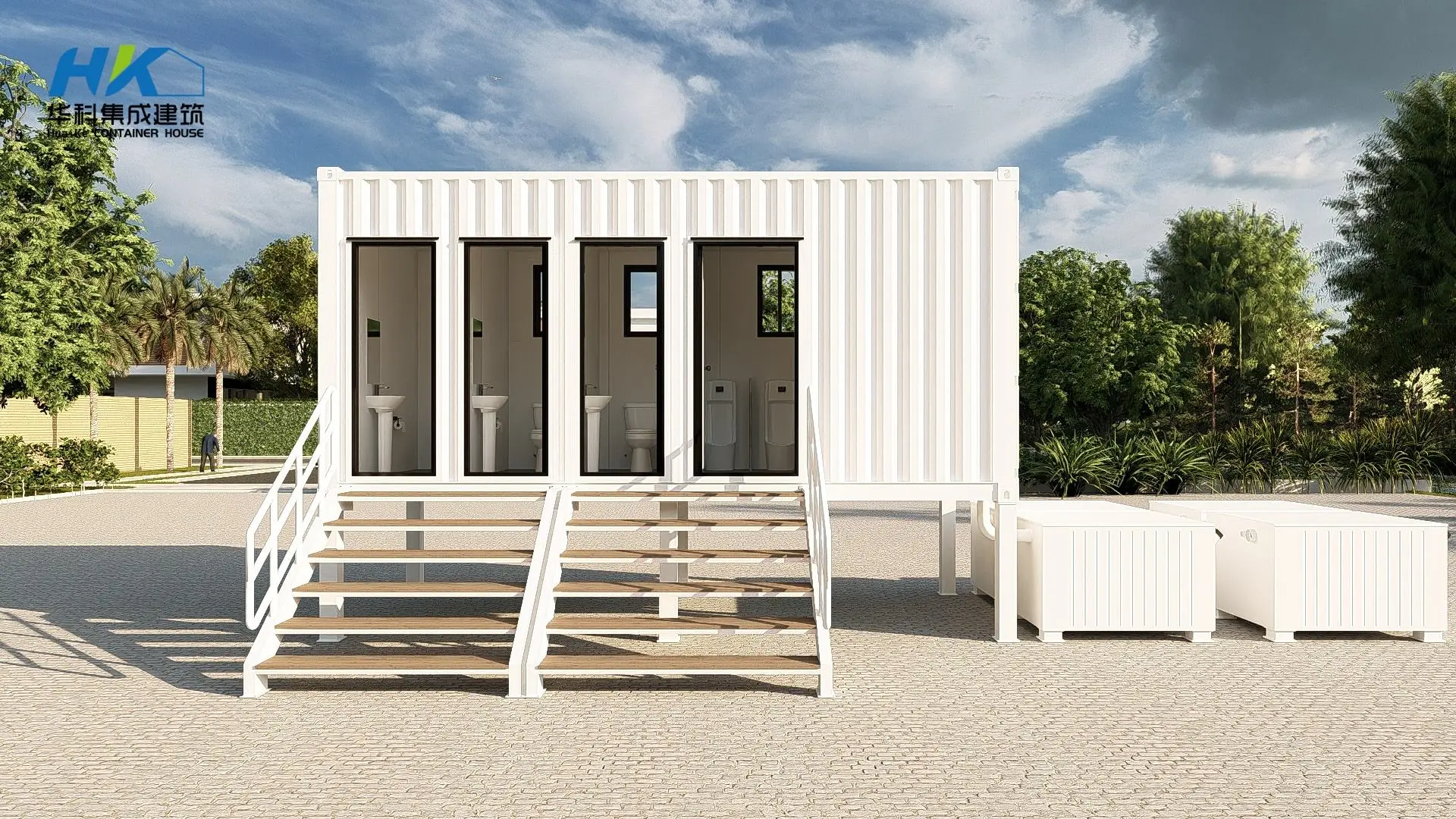 Contianer Toilet