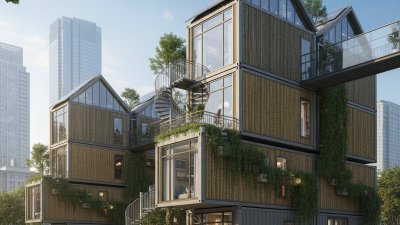
Discover the Top 10 Affordable Container Homes in China
In recent years, the trend of Affordable Container Homes has gained significant traction in China. A report by the China Container Architecture Association noted a 30% increase in demand for these innovative dwellings from 2020 to 2023. With rising property prices, many families are exploring cost-effective housing options. Container homes provide a solution, combining affordability with modern design.
These homes are not just budget-friendly; they also focus on sustainability. Many builders use recycled materials and eco-friendly practices. According to a survey by the Sustainable Housing Alliance, 65% of buyers prioritize sustainability when choosing a home.
However, not all container home designs are suitable for every climate. Some structures may face insulation challenges in extreme weather. Prospective buyers should research thoroughly. This knowledge helps avoid potential issues and enhances their living experience. Exploring the top 10 Affordable Container Homes in China can offer valuable insights into this evolving market.
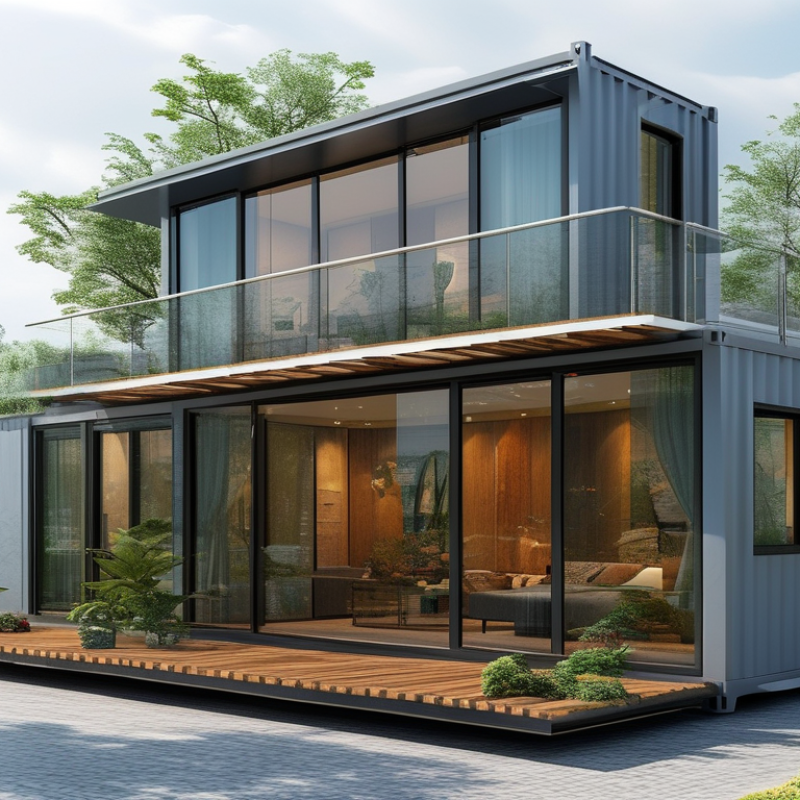
Overview of Container Homes in China
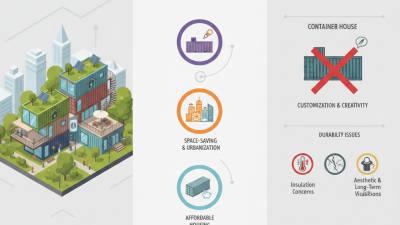
Container homes are gaining popularity in China for several reasons. They offer an affordable solution to housing challenges. These homes are often made from recycled shipping containers, making them environmentally friendly. Flexibility in design is another advantage. They can be customized to fit various lifestyles and needs.
In urban areas, container homes provide an innovative approach to limited space. They are easy to transport and can be set up quickly. However, issues like insulation and ventilation must be carefully considered. Winter can be frigid, and summer can be stifling. Finding reliable construction methods that ensure durability is crucial.
While container homes can be cost-effective, hidden costs may arise. Land use permits and utilities can add to the overall expense. This aspect often leads to reflections on long-term investment. Potential buyers should weigh both pros and cons. Container homes may be the future of sustainable living, but challenges exist.
Key Benefits of Choosing Container Homes
Container homes in China offer a unique living experience. They are not just affordable, but also eco-friendly. One major benefit is the efficient use of space. These homes can be easily customized. A small container can transform into a cozy living area or a functional workspace.
Another key advantage is their durability. Made of steel, they withstand harsh weather conditions. Many people appreciate the versatility of container homes. They can be relocated if necessary. However, local regulations can pose challenges. It's essential to check zoning laws before building.
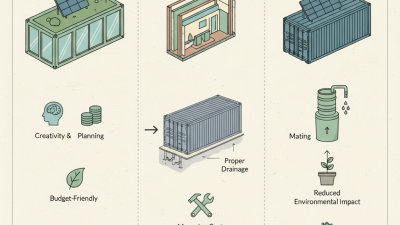
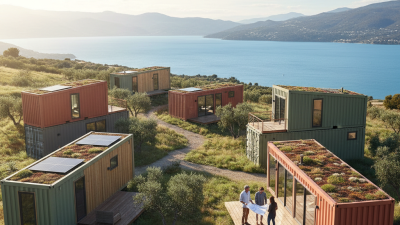
Lastly, container homes promote sustainability. They often incorporate green technologies. Solar panels, rainwater collections, and energy-efficient systems are common. These features can reduce living costs over time. While the initial investment may seem high, the long-term savings are significant. Balancing costs, regulations, and environmental impacts is crucial for potential homeowners.
Criteria for Selecting Affordable Container Homes
Choosing the right container home requires careful consideration. Affordability is key, but other factors matter too. Begin by assessing the location. Proximity to schools, hospitals, and stores can enhance daily living. It reduces commuting times and makes life easier.
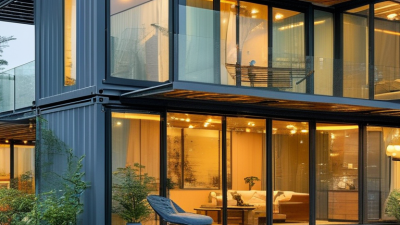
Next, examine the design and materials. Look for homes built with durable, eco-friendly materials. Steel containers can withstand extreme weather. Pay attention to insulation. Proper insulation keeps the home comfortable year-round. Ensure the layout fits your lifestyle. Open spaces promote a sense of freedom, while private areas offer rest.
Consider the reputation of the builders or companies. Experience matters in construction. Check online reviews and ratings. Engaging with past clients can provide insights. Not all homes meet quality standards, so research is crucial. Some homes may seem affordable but require extensive repairs. Always weigh the initial investment against long-term costs to make an informed decision.
Discover the Top 10 Affordable Container Homes in China
| Model |
Size (sqm) |
Price (CNY) |
Features |
Location |
| Basic Container Home |
30 |
50,000 |
1 Bedroom, Eco-friendly |
Beijing |
| Luxury Container Suite |
45 |
120,000 |
2 Bedrooms, Modern Design |
Shanghai |
| Family Container Home |
60 |
85,000 |
3 Bedrooms, Balcony |
Guangzhou |
| Compact Container Studio |
25 |
40,000 |
1 Bedroom, Minimalist |
Chengdu |
| Luxury Eco Home |
50 |
100,000 |
2 Bedrooms, Solar Panels |
Hangzhou |
| Rural Retreat Container |
40 |
70,000 |
1 Bedroom, Scenic Views |
Zhejiang |
| Modular Container Home |
70 |
110,000 |
3 Bedrooms, Customizable |
Shenzhen |
| Container Guest House |
35 |
55,000 |
1 Bedroom, Cozy Design |
Xi'an |
| Contemporary Living Container |
55 |
95,000 |
2 Bedrooms, Modern Amenities |
Nanjing |
| Portable Container Office |
20 |
30,000 |
1 Office Space, Mobile |
Tianjin |
Top 10 Affordable Container Homes in China
Container homes are becoming popular in China for their affordability and sustainability. People are increasingly seeking innovative housing solutions. These homes offer unique designs and flexible layouts while remaining budget-friendly. They can be customized easily to fit individual needs. From modern aesthetics to rustic charm, container homes provide several options.
One notable feature is their energy efficiency. Many designs incorporate solar panels and rainwater collection systems. However, challenges exist. Proper insulation is crucial for different weather conditions. In colder regions, heating solutions can be costly. Additionally, local regulations may pose obstacles for building permits. Understanding the legal landscape is vital.
Ultimately, container homes represent a creative answer to housing shortages in urban areas. They offer an alternative to traditional housing. Yet, potential owners must address practical considerations. Weighing the pros and cons can lead to better choices. This emerging trend encourages a rethinking of modern living.
Future Trends in Container Home Development
Container homes have gained traction in China, reflecting a shift toward sustainable living. These homes are often recycled shipping containers, promoting eco-conscious architecture. Innovations are emerging in design and functionality. Future trends point toward better insulation and versatile layouts. This evolution enhances comfort while maintaining affordability.
Smart technology integration is another exciting trend. Many developers are exploring energy-efficient systems. Solar panels and rainwater harvesting make container homes more self-sufficient. The challenge lies in balancing technology with cost-effectiveness. Not all container homes can easily adapt to advanced systems, creating a need for careful planning.
Additionally, urbanization in China fuels the demand for affordable housing. Container homes offer a quick solution to a growing crisis. However, zoning laws and regulations can hinder development. Finding suitable locations remains a hurdle. Overall, the future of container homes in China looks promising, but it requires cooperation from various stakeholders.

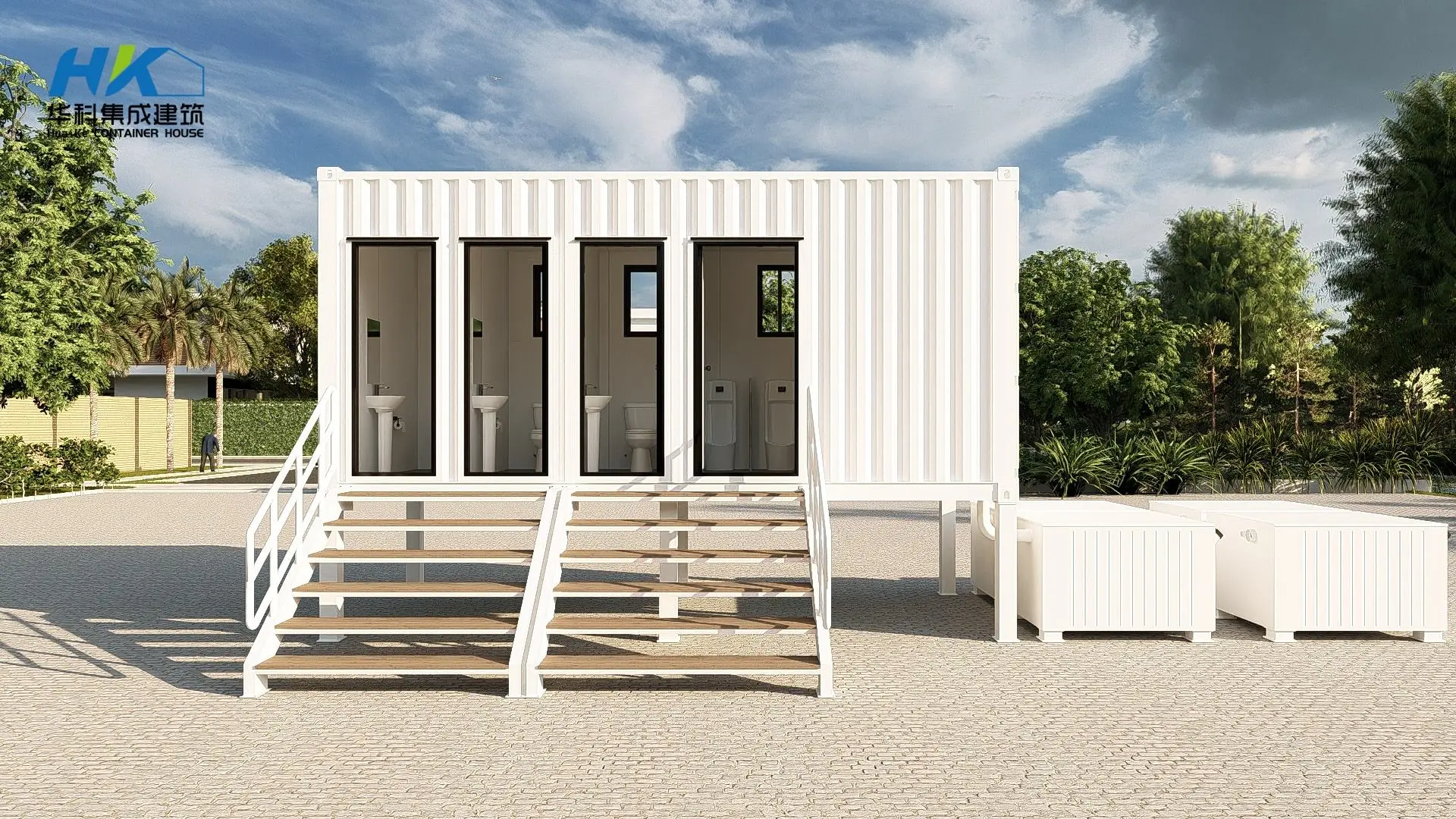 Contianer Toilet