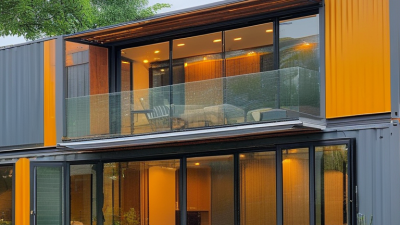
Affordable Container Homes 2026 How to Choose the Right One?
As the trend of Affordable Container Homes continues to grow, many wonder how to choose the right one. According to a recent industry report by the National Association of Home Builders (NAHB), demand for alternative housing options has surged by over 20% in the last two years. This shift reflects a broader societal movement towards sustainability and affordability in housing. David Green, an expert in sustainable living, states, "Affordable Container Homes offer innovative solutions that blend functionality with style."
These homes are not just cost-effective; they are also adaptable. They come in various designs, sizes, and layouts, catering to diverse lifestyles and preferences. However, the market is saturated, and not all options provide the same value. Buyers need to be mindful of quality and structural integrity. Some affordable options may compromise on critical features, which could lead to future issues.
Additionally, potential owners should consider local zoning laws and regulations before making a decision. Research shows that nearly 30% of container home buyers face challenges due to legal restrictions. Understanding these factors is crucial to ensure a smooth transition into this unique housing solution. The journey to finding the right Affordable Container Home is as much about due diligence as it is about vision.
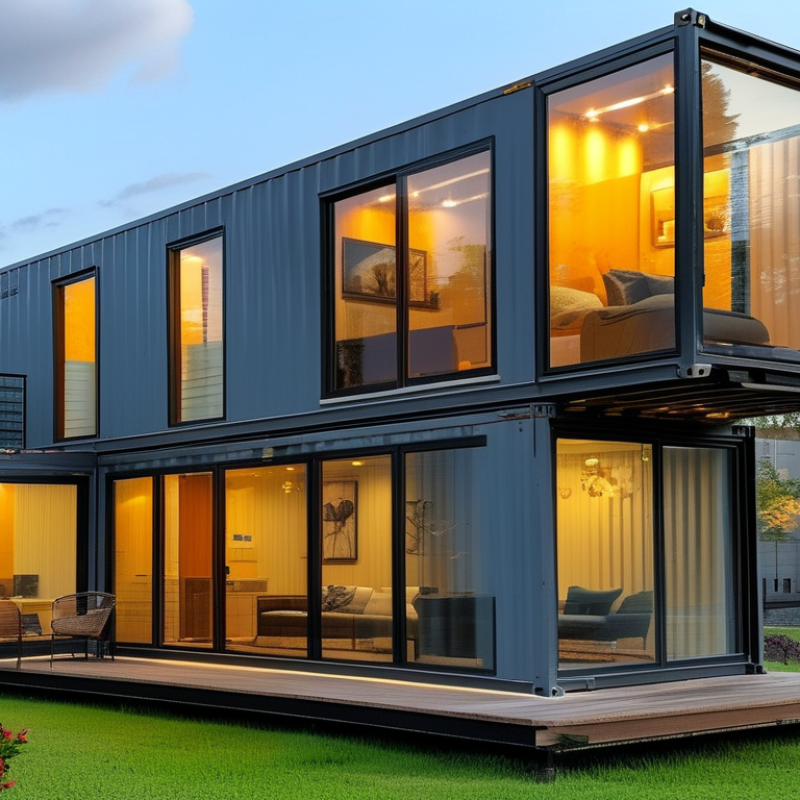
Understanding Container Homes: An Overview of Their Benefits
Container homes have become increasingly popular due to their affordability and unique design. These structures are made from repurposed shipping containers, which reduces waste. One significant benefit is their eco-friendliness, appealing to environmentally-conscious homeowners. The modular nature allows for extensive customization, enabling individuals to design spaces that meet their personal needs.
Living in a container home offers flexibility. They can be placed in a variety of locations, from urban settings to rural landscapes. However, it’s essential to consider insulation and ventilation when choosing one. Improper insulation can lead to extreme temperatures inside. Some people find these homes too small. A minimalist lifestyle is not for everyone. Reflecting on the quality of your life in such spaces is vital.
Financing is another aspect to ponder. While container homes can be cheaper, hidden costs often arise. Installation and permits can add up. It's wise to research local regulations. Understanding these factors can help you make an informed decision. Balancing costs against your living standards is crucial. Remember, choosing the right container home is a personal journey that requires thoughtful consideration.
Factors to Consider When Choosing an Affordable Container Home
Choosing an affordable container home requires careful consideration of various factors. One key aspect is structural integrity. A report by the International Code Council indicates that proper insulation and material quality are crucial for durability. Inspect the steel's corrosion resistance. This ensures longevity, especially in harsh climates.
Another vital factor is size and layout. According to recent trends, approximately 54% of buyers prefer multi-functional spaces. A flexible layout can enhance livability, maximizing even smaller footprints. Consider future needs, like space for a growing family or a home office.
Cost efficiency is also essential. The Container Homes Report states that container homes can be up to 50% cheaper than traditional homes. However, upfront costs and potential hidden expenses should be scrutinized. Factors such as permits, land preparation, and utility connections can add to your overall budget. Balancing affordability while ensuring quality requires thoughtful analysis.
Affordable Container Homes 2026 - How to Choose the Right One? Factors to Consider When Choosing an Affordable Container Home
| Factor |
Importance Level |
Considerations |
Price Range (USD) |
| Size |
High |
Choose based on number of occupants and space needs. |
20,000 - 45,000 |
| Insulation |
Medium |
Check for energy efficiency and comfort in climate conditions. |
5,000 - 15,000 |
| Design |
High |
Functional layout and aesthetic appeal for personal preference. |
10,000 - 30,000 |
| Location |
Medium |
Accessibility, zoning laws, and environmental considerations. |
N/A |
| Sustainability |
High |
Materials used and possibilities for renewable energy solutions. |
3,000 - 12,000 |
| Budget |
High |
Total cost including purchase, modifications, and setup. |
20,000 - 60,000 |
Key Features to Look for in Container Home Designs
When exploring affordable container homes in 2026, the design features play a crucial role. One key aspect is insulation. Good insulation keeps the home comfortable year-round. You'll want to choose materials that perform well in both hot and cold climates. Inadequate insulation can lead to higher energy costs.
Another important feature is the layout. Open layouts maximize space and offer flexibility for customization. Think about how you will use each area. An efficient design can reduce wasted space and promote a functional living environment. Look for homes with large windows for natural light. Dark spaces feel cramped and uninviting.
Finally, consider sustainable options. Eco-friendly materials not only benefit the planet but can also enhance comfort. Some container homes feature green roofs or solar panels. However, check the practicality of these features. Some might require more maintenance than expected. Be cautious and research thoroughly before making a decision.
Affordable Container Homes in 2026
This bar chart represents the key features that potential buyers should consider when choosing affordable container homes in 2026.
Budgeting for Your Container Home: Costs and Financing Options
When budgeting for a container home, understanding costs is crucial. The average price for a container home ranges from $10,000 to $50,000. This variation depends on size, design, and location. According to a report by the Container Housing Association, the upfront cost often includes transportation, permits, and foundational work. It can add up quickly, sometimes stretching budgets unexpectedly.
Financing options vary widely. Personal loans are common, but interest rates can differ significantly. A typical personal loan might have an interest rate ranging from 5% to 36%. Exploring various lenders is essential. For those seeking alternatives, some banks offer specialized construction loans that can serve well for container homes. However, these may require a higher credit score or a larger down payment.
Moreover, be aware of potential hidden costs. These might include utilities setup, insulation, and maintenance. According to a study by the National Association of Home Builders, 75% of homeowners overspend on renovations they didn't initially plan for. Being realistic about potential risks and ongoing costs is critical. Always create a buffer in your budget to manage these uncertainties.
Navigating Local Regulations for Container Home Placement and Use
When embarking on the journey of choosing an affordable container home, understanding local regulations is paramount. According to the Container Homes Association, nearly 45% of container home projects face regulatory challenges. These can include zoning requirements, building codes, and safety inspections, varying significantly by location. Each municipality may have different standards that impact your design choices and overall feasibility.
Navigating these regulations can be complicated. For example, many areas require a permit for container placement on a property. It's advisable to engage with local planning departments early in your project. This proactive approach can save time and avoid costly changes later on. Additionally, researching local ordinances may unveil unexpected restrictions. Some regions may prohibit container homes in residential neighborhoods, while others promote them as eco-friendly housing solutions.
A study conducted by the National Association of Home Builders indicated that almost 20% of container home buyers reported issues with compliance. These challenges highlight the need for thorough research and professional guidance. While container homes are often marketed as affordable solutions, the reality can be quite different when regulatory hurdles arise. Attention to detail and a commitment to understanding local laws are crucial to the success of your container home project.

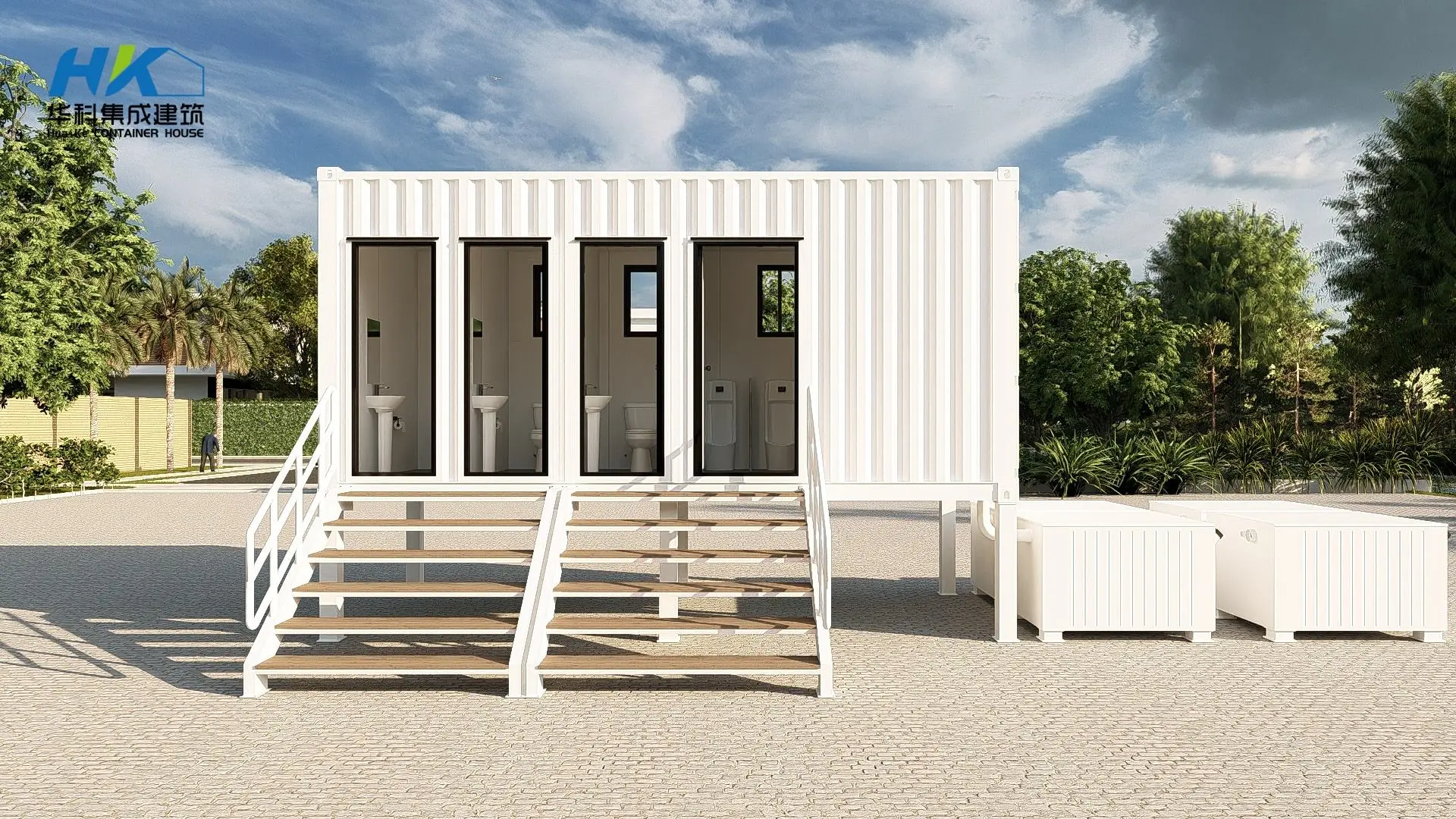 Contianer Toilet