Top 10 Benefits of Container Houses for Sustainable Living?
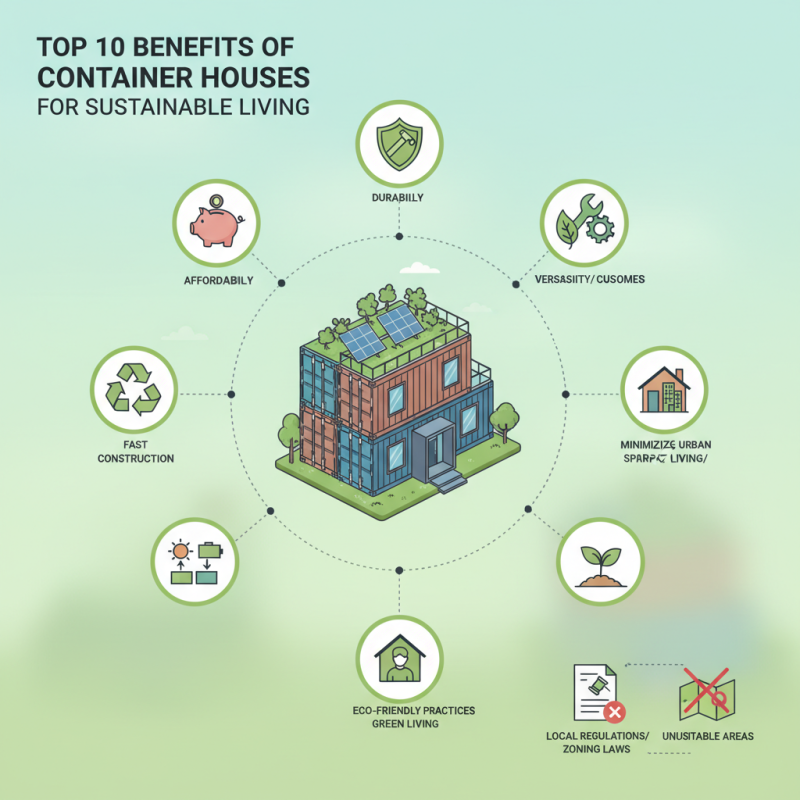
As the world increasingly embraces sustainable living, the concept of the Container House has gained significant attention. These innovative structures offer a unique blend of affordability, durability, and environmental consciousness. In many urban areas, traditional housing can be prohibitively expensive and often contributes to urban sprawl. Container Houses provide a fresh alternative, allowing people to live comfortably while minimizing their ecological footprint.
One key advantage of Container Houses is their versatility. They can be modified to various styles and sizes, adapting to individual needs and preferences. Additionally, building with repurposed shipping containers reduces waste. This approach aligns with eco-friendly practices, promoting responsible resource use.
However, it is essential to recognize the limitations of Container Houses. Not all areas are suitable for such constructions. Local regulations and zoning laws can pose challenges. While they can be a sustainable option, it's crucial to research local contexts. Balancing creativity with practicality is necessary for successful adaptation.
Benefits of Container Houses: An Overview of Sustainable Living Solutions
Container houses are gaining traction as a viable solution for sustainable living. These structures offer an innovative way to repurpose shipping containers, reducing waste and maximizing resource efficiency. By choosing container homes, builders can significantly lower their environmental footprint. The use of recycled materials is a key advantage, directly addressing concerns about resource depletion.
Moreover, container houses are adaptable and versatile. Their modular nature allows for creative designs tailored to various needs. They can be easily expanded or modified, ensuring functionality as lifestyles and requirements evolve. Many people appreciate the speed of construction. Container homes can be built much faster than traditional homes, saving time and funds.
However, there are challenges. Insulation and plumbing can be tricky and may require expert knowledge. Some may find zoning laws restrictive for these types of homes. Reflecting on the potential drawbacks is essential. Acknowledging these imperfections can lead to better solutions in the future. Ultimately, container houses represent a forward-thinking approach to sustainable living, blending practicality with eco-friendliness.
Reduction of Construction Waste: Utilizing Recycled Shipping Containers
The rise of container houses is a significant step toward sustainable living. They utilize recycled shipping containers, which are often discarded after a single voyage. This practice reduces construction waste dramatically, addressing a pressing environmental issue. The global shipping industry generates a vast amount of refuse. By repurposing these strong, durable containers, we can give them a second life.
Many builders find that using shipping containers decreases the need for traditional building materials. This shift can lead to lower demand for wood, cement, and bricks. Yet, there are challenges. Some containers may contain pollutants or require modifications for safety. Proper inspection and rehabilitation are essential to ensure they are safe for habitation.
Incorporating container homes into urban planning could transform communities. They provide affordable housing options while promoting recycling. However, the stigma around living in a container persists. Overcoming these perceptions is vital for broader acceptance. Balancing aesthetic appeal and functionality in their design remains an ongoing debate among architects and residents.
Cost-Effectiveness: Comparing Container Homes to Traditional Housing Options
Container homes offer significant cost benefits compared to traditional housing. They are often 20% to 50% cheaper to build. This results from reduced material costs and faster construction times. Typically, a container home can be constructed in just a few months. In contrast, conventional homes often take over six months to complete.
Moreover, container houses are eco-friendly options. They utilize recycled steel structures, minimizing environmental impact. This process often requires less energy than traditional building methods. However, converting containers into livable spaces can present challenges. Insulation, plumbing, and electrical systems need careful planning. Ignoring these aspects can lead to higher long-term costs due to inefficiencies.
Financing container homes can be a hurdle. Traditional lenders may be reluctant to finance non-traditional structures. Prospective homeowners must do their research. They might have to rely on less conventional financing options. While container houses can be cost-effective, potential buyers must weigh the initial savings against future challenges. Each project has unique factors that influence overall expenses.
Flexibility and Mobility: Advantages of Movable Container Homes for Residents
Movable container homes offer unique benefits for sustainable living. Flexibility is a key advantage. These homes can be easily relocated. This feature allows residents to adapt to changing lifestyles or job locations. Imagine moving your home closer to nature, away from bustling cities. This freedom is empowering.
Mobility also supports innovative living solutions. Container homes can be placed in various landscapes. They fit well in urban areas or rural settings. This adaptability is essential in a world facing climate change. However, building practices need to ensure structural integrity and comfort. Not all locations are suitable for container placement.
Sustainable living should also critique its own practices. Are these homes truly eco-friendly? Transporting containers can have a carbon footprint. They require insulation and modifications, which might negate sustainability efforts. Reflecting on these challenges is important. Each choice we make in housing impacts the environment. The conversation about container living must remain honest and open.
Top 10 Benefits of Container Houses for Sustainable Living
Conclusion
Container houses offer a range of benefits that make them an appealing solution for sustainable living. By utilizing recycled shipping containers, these homes significantly reduce construction waste, promoting a more environmentally friendly building process. In addition to being eco-conscious, container houses are also cost-effective compared to traditional housing, often providing a more affordable alternative without compromising quality.
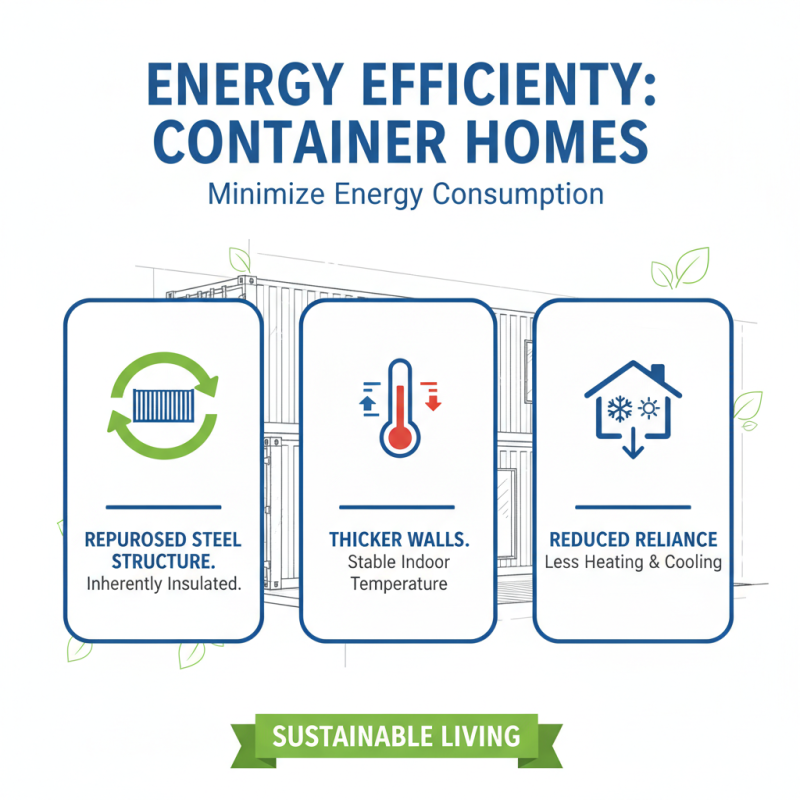
Energy efficiency is another key advantage, as container houses can be designed to minimize energy consumption through innovative insulation and design strategies. Furthermore, their inherent flexibility and mobility allow residents the freedom to relocate their homes as needed, adapting to changes in lifestyle or preferences. Lastly, incorporating eco-friendly materials in the design of container homes enhances their sustainability, making them a responsible choice for environmentally aware individuals looking for modern living solutions.

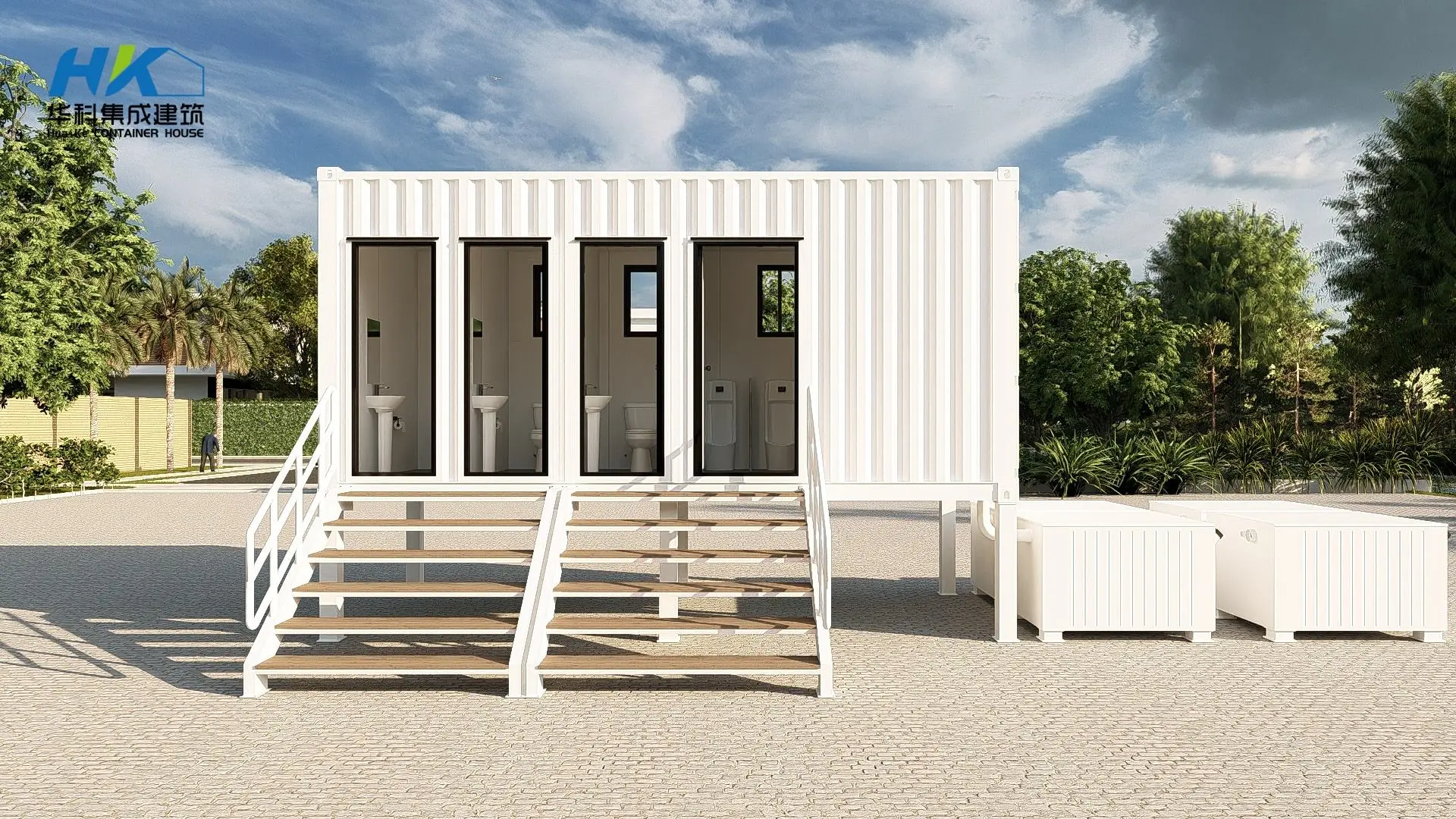 Contianer Toilet