Leave Your Message

Top 10 Mobile House Ideas for Global Buyers to Consider?

In today's ever-evolving world, the concept of a Mobile House is gaining tremendous popularity among global buyers. These portable homes offer flexibility, sustainability, and a unique lifestyle choice. As urban living becomes more challenging, the demand for innovative housing solutions has surged. Mobile Houses present a viable answer to space constraints and rising costs.

Many buyers are seeking affordable options that do not compromise on quality. These homes can provide a cozy living experience while minimizing environmental impact. Moreover, Mobile Houses empower individuals to embrace a minimalist lifestyle. However, buyers should also consider potential challenges. Zoning laws and mobility can present unforeseen hurdles.

As we explore the top 10 Mobile House ideas, it’s crucial to keep these aspects in mind. Each idea offers something unique, yet they all require careful thought. Finding the right Mobile House means balancing personal needs with practical limitations. Discovering the perfect option can transform the way we live and travel.
Top 10 Mobile House Ideas for Global Buyers to Consider?

Top 10 Mobile House Ideas: An Overview of Global Trends

Mobile houses are gaining traction globally. A recent report from the International Institute of Mobile Housing revealed that the market is expected to grow by 8.5% annually. This growth represents a growing desire for flexibility in living arrangements. Many buyers are now seeking mobile houses that can adapt to their needs.

One trend is the use of sustainable materials. A study by the Global Green Building Council found that 43% of buyers prefer homes made from eco-friendly materials. Another popular choice is modular designs, which allow for customization. Homes that can be expanded or downsized are increasing in demand. However, potential buyers must also consider long-term durability versus immediate savings.

There is also a noticeable shift toward smart technology integration. Nearly 60% of mobile home buyers now desire smart features. These may include energy-efficient appliances or security systems controlled via smartphone. While this adds convenience, it can also lead to concerns about technology dependence. A balance between tech use and traditional living must be addressed.

Top 10 Mobile House Ideas for Global Buyers to Consider

House Type Key Features Sustainability Rating Price Range (USD) Target Audience
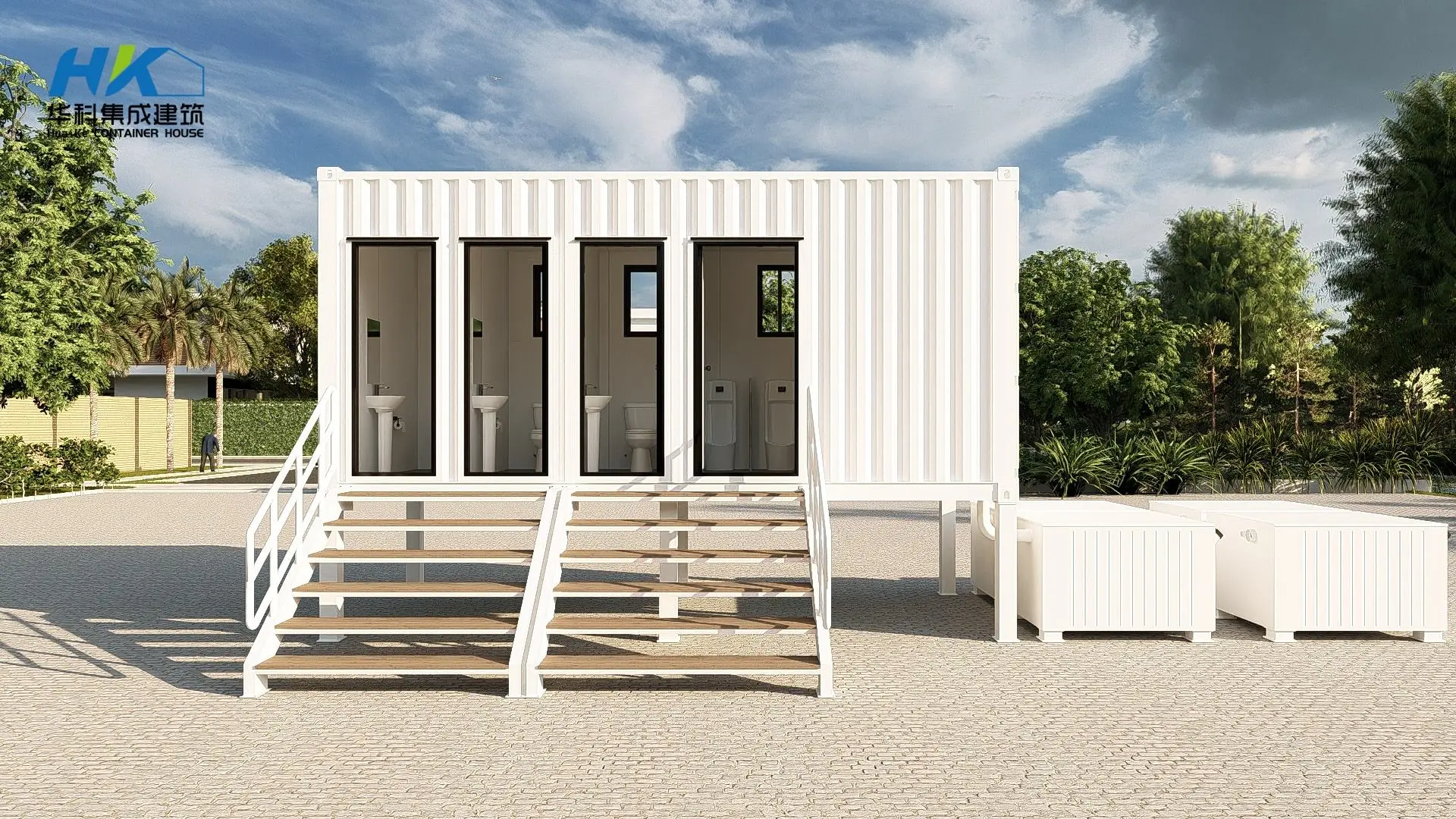
Container Home Affordable, modular design, recyclable materials High 20,000 - 50,000 Young professionals, minimalist enthusiasts
Tiny House Compact living, efficient use of space, portable High 10,000 - 30,000 Minimalists, eco-conscious buyers
Park Model RV Home-like features, often used as vacation homes Medium 25,000 - 75,000 Families, retirees
Mobile Home (Manufactured Home) Affordable, customizable, available in various sizes Low to Medium 30,000 - 100,000 Budget-conscious buyers, families
Modular Home Factory-built, quick assembly, energy-efficient High 50,000 - 150,000 First-time buyers, eco-friendly consumers
Yurt Traditional design, flexible use, energy-efficient Medium 20,000 - 60,000 Adventure seekers, rural dwellers
Floating House Waterfront living, levies against flooding High 80,000 - 300,000 Luxury buyers, innovative home enthusiasts
Airstream Trailer Classic design, travel-ready, pop-up living Medium 45,000 - 150,000 Travel enthusiast, nomad lifestyles
Earth-Sheltered Home Energy efficient, noise-reducing, integrates with nature High 60,000 - 200,000 Green builders, nature lovers

Understanding the Market: Mobile Home Sales Insights and Statistics

The mobile home market has seen significant shifts in recent years. More buyers are exploring this option for affordable living. This popularity stems from rising housing prices and a desire for flexibility. Many buyers appreciate the lower maintenance costs associated with mobile homes.

Statistics indicate a steady increase in mobile home sales, particularly among younger demographics. A notable portion of buyers are seeking eco-friendly options, emphasizing sustainability. However, some face challenges in financing options and zoning regulations. This reflects a need for more accessible pathways for potential homeowners.

Market insights reveal that location significantly impacts resale value. Coastal areas tend to have higher demand but also come with greater risk from natural disasters. Buyers must conduct thorough research before investing. Understanding these nuances will enhance informed decision-making in the mobile home market.

Innovative Designs: Eco-Friendly Mobile House Concepts to Consider

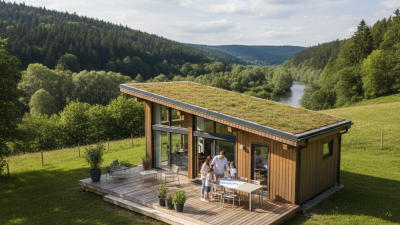
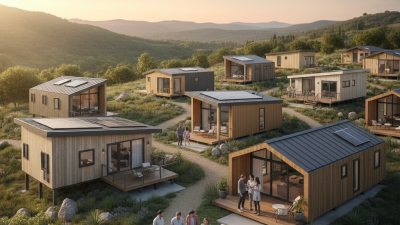
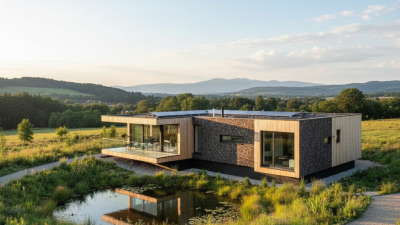
Innovative mobile house designs offer exciting possibilities for eco-conscious buyers. Many of these homes use sustainable materials, reducing their environmental impact. Bamboo and reclaimed wood are popular choices that combine aesthetics with sustainability. Solar panels can power these homes, allowing residents to harness renewable energy. Rainwater harvesting systems further minimize the need for traditional resources.

Living in a mobile house presents unique challenges. Space is limited, so efficient design is vital. Multi-functional furniture can maximize usability while ensuring comfort. However, those who downsize may feel the emotional weight of letting go. This process can be tough, but it often leads to a simpler, more mindful lifestyle.

Nature plays a crucial role in mobile house concepts. Many designs incorporate large windows and open spaces to bridge the gap between indoor and outdoor living. Buyers can enjoy the surrounding landscape while minimizing their carbon footprint. Yet, these designs require careful planning and consideration, as weather elements can impact comfort and longevity. Balancing innovation with practicality remains a key focus for future developments in mobile housing.

Technological Advances: Smart Home Integration in Mobile Housing

Mobile houses are evolving, thanks to technological advancements. Smart home integration is at the forefront of this change. Imagine controlling your home environment with just your smartphone. From adjusting temperatures to managing lighting, convenience is key. Sensors can optimize energy use, making mobile housing more efficient and sustainable.

However, this integration isn’t flawless. Connectivity issues may arise, especially in remote areas. Users may find themselves frustrated by erratic internet speeds. Additionally, the complexity of systems can overwhelm some homeowners. Not everyone is tech-savvy, and the learning curve can be daunting.

Incorporating smart technology into mobile homes is a work in progress. While it offers many benefits, it requires careful consideration. Finding the right balance between innovation and usability is essential for these homes. As the industry evolves, so will the solutions to these challenges.

Budgeting for Your Mobile Home: Cost Breakdown and Financing Options

When considering a mobile home, budgeting is crucial. Begin by assessing the total costs involved. Prices vary widely based on the home’s size, design, and location. In addition to the purchase price, factor in delivery, installation, and site preparation. Unexpected costs can arise, so having a contingency fund is wise.


Financing options are diverse. Some buyers may choose personal loans or specialized mobile home loans. Interest rates can differ significantly, impacting your monthly payments. A lower credit score might limit financing choices. For many, saving for a down payment can reduce long-term costs and monthly burdens. Researching various lenders helps to find the best fit.


Understanding your budget impacts every decision. Always reevaluate your financial situation regularly. While a mobile home can be a fulfilling investment, it's essential to remain realistic about ongoing expenses, such as maintenance and utilities. These factors can significantly affect long-term affordability.