How to Build a Sustainable Container House for Modern Living?
The concept of the Container House is gaining traction in modern architecture. As urban populations surge, sustainable living solutions must adapt. According to a report by McKinsey, approximately 68% of the world's population will live in urban areas by 2050. This demographic shift intensifies the need for efficient housing solutions that minimize environmental impact.
Container Houses offer a unique opportunity to repurpose industrial materials. They can be constructed quickly and are often more affordable than traditional homes. The Global Sustainability Report reveals that using shipping containers in home construction can reduce waste by up to 65%. Yet, challenges remain. Not every container is suitable for habitation, and potential buyers must consider insulation and ventilation.
In exploring sustainable living, the Container House emerges as both a practical and innovative solution. However, the industry must reflect on construction safety and long-term viability. Embracing Container Houses means embracing change, innovation, and an urgent need for a safer tomorrow.
Understanding the Concept of Sustainable Container Housing
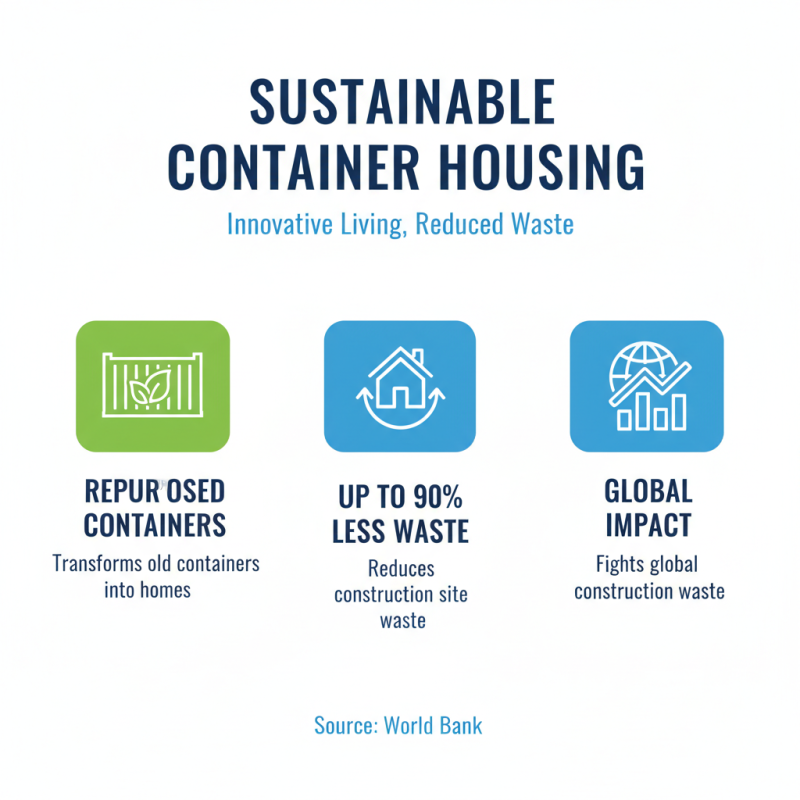
Sustainable container housing is gaining traction in modern living. This innovative approach repurposes shipping containers into livable spaces. According to the World Bank, container homes can reduce construction waste by up to 90%. This is crucial as construction accounts for a significant portion of global waste.
The energy efficiency of these homes also stands out. Research shows that container houses can use 30% less energy compared to traditional homes. By incorporating insulation and solar panels, these structures can achieve remarkable sustainability. However, challenges remain. Not all designs utilize eco-friendly materials, and poor ventilation can lead to air quality issues.
Moreover, the cost can be unpredictable. While containers are cheaper than traditional homes, unexpected modifications can inflate expenses. Understanding local regulations is essential. Many areas have strict codes regarding container installations. This can deter potential buyers. Sustainable container housing is promising, but it demands careful planning and execution.
Selecting the Right Shipping Containers for Construction
When selecting shipping containers for construction, it’s vital to consider size, condition, and type.
Standard 20-foot and 40-foot containers are widely used.
According to the American Society of Civil Engineers, using these containers can reduce waste by up to 30%.
The durability of steel also plays a critical role, as it withstands extreme weather conditions.
Tips: Inspect containers thoroughly. Look for rust, structural integrity, and potential leaks.
A damaged container can lead to higher renovation costs.
Think about insulation needs. Containers are made of metal, which can trap heat and cold.
According to the U.S. Department of Energy, proper insulation improves energy efficiency significantly.
Skimping on this can result in uncomfortable living conditions.
Consider local regulations. Building codes vary.
Some areas may require permits for container structures. Ignoring these rules can lead to costly fines.
Always research local laws before beginning any construction project.
Essential Utilities and Systems for Modern Living in Container Houses
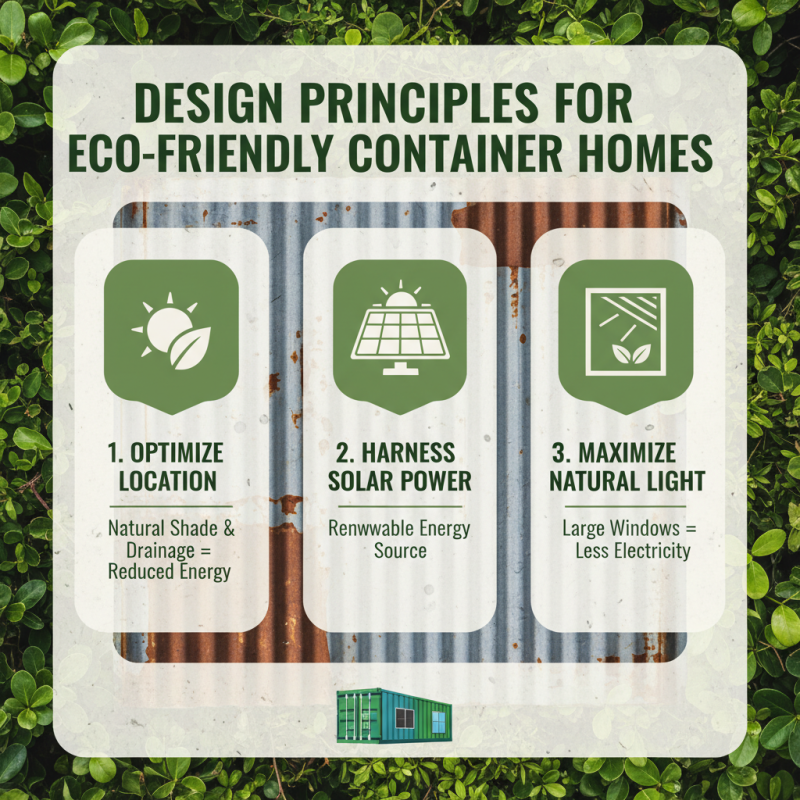
When designing a sustainable container house, focusing on essential utilities is crucial. A reliable water supply system is a must. Rainwater harvesting and filtration systems can provide a sustainable source. Installing greywater recycling can conserve water for irrigation and non-potable uses.
Next, consider energy systems. Solar panels are a popular choice for energy-efficient living. However, the initial installation can be daunting. Make sure to evaluate local regulations and sunlight availability. A backup generator is useful, especially in remote locations. Also, efficient insulation will minimize heating and cooling needs.
Don't overlook waste management. Composting toilets are eco-friendly options, but they may require maintenance. Research local waste disposal laws to stay compliant. Embracing these systems in your container house promotes a responsible lifestyle. Planning is crucial for seamless integration of each utility. Balancing sustainability with practicality can be challenging, requiring thoughtful consideration and ongoing adjustments.
Landscaping and Outdoor Space Optimization for Container Homes
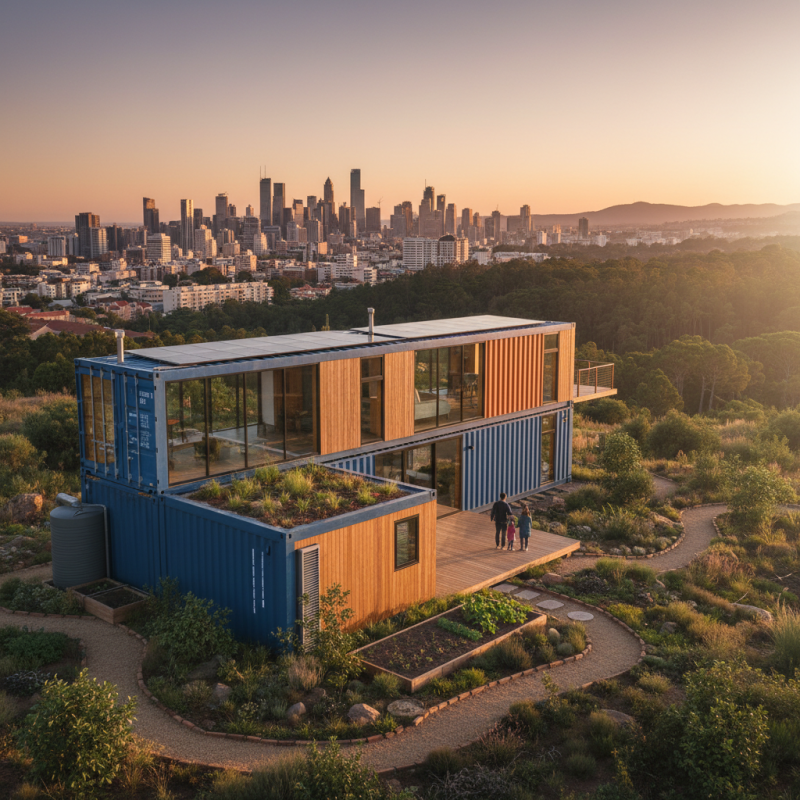
Creating an inviting outdoor space for a container home involves careful landscaping. Start by choosing plants that thrive in your climate. Native plants are often resilient and low-maintenance. Consider using a mix of shrubs, flowers, and grasses to provide texture and color. This diverse plant selection can help attract local wildlife, promoting a vibrant ecosystem.
Paths made of stone or gravel can lead visitors through your garden. These paths also prevent soil erosion. Seating areas, like benches or hammocks, offer spots to relax and enjoy nature. Shade from trees or awnings can make these areas comfortable in hot weather. It's essential to think about water management too. You can incorporate rain gardens or permeable paving to control runoff and reduce water waste.
Lighting plays a vital role in outdoor spaces. Solar-powered lights can create a warm atmosphere at night. Focus on highlighting plants and paths. However, be mindful of light pollution. It's better to keep it subtle and natural. Remember, landscaping is a continuous journey. What looks great now may need changes in a few years. Embrace the imperfect nature of your garden and adapt as plants grow.

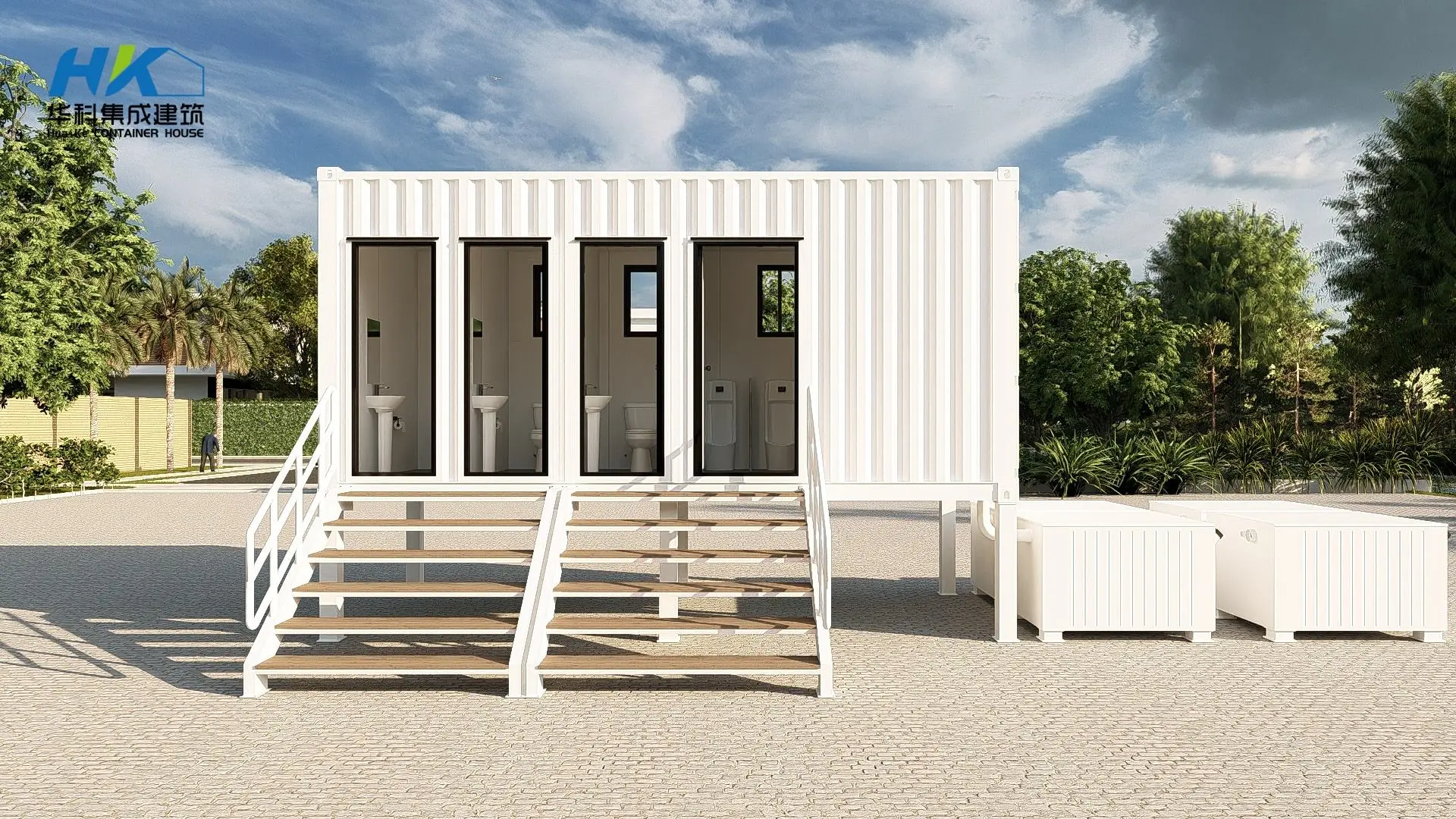 Contianer Toilet