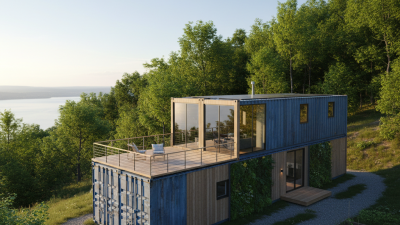
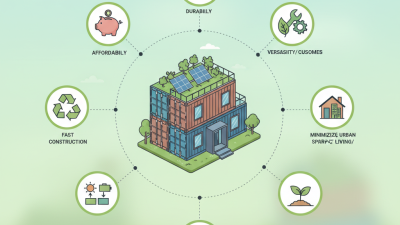
China Top 10 Affordable Container Homes Suppliers
Affordable Container Homes are changing how buyers approach compact housing, guest units, offices, and emergency accommodation. China has become a major sourcing market for these structures. Its suppliers often combine steel fabrication, modular design, interior finishing, and international logistics.
This guide introduces ten China-based suppliers known for competitive pricing and practical container solutions. We examined product ranges, factory experience, customization ability, material quality, delivery support, and customer communication. We also considered details that matter on site, such as insulation thickness, window sealing, electrical layouts, bathroom fittings, and corrosion protection. A low quotation means little if the floor flexes, the roof leaks, or replacement parts arrive late.
Experienced buyers should request drawings, material specifications, production photographs, and clear packing lists. Factory videos can help, but they should not replace independent verification. Ask whether the quoted price includes insulation, wiring, plumbing, appliances, packaging, and shipping preparation. These items can change the final budget significantly.
Every supplier has strengths and limitations. Some excel at fast production. Others provide better architectural support or stronger customization. Not every catalog image reflects the delivered product. That deserves attention. Local building rules, foundation conditions, climate, and installation skills may also affect suitability. This overview is a practical starting point, not a substitute for technical inspection or professional advice. With careful comparison, buyers can identify Affordable Container Homes that balance price, durability, comfort, and long-term reliability.
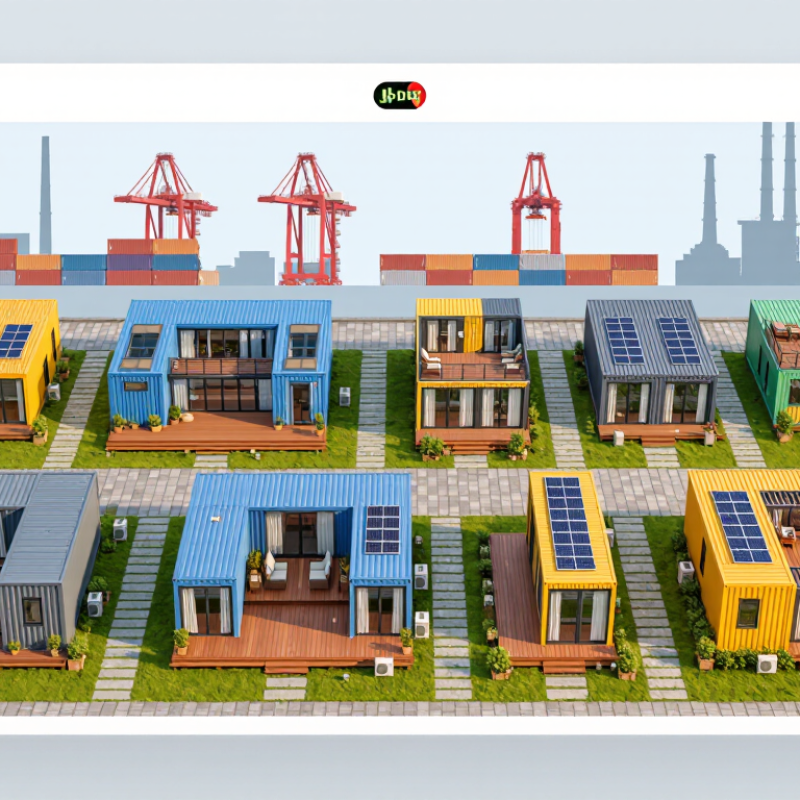
China’s Affordable Container Home Industry: An Overview
China’s affordable container home industry serves buyers seeking compact housing, offices, classrooms, and temporary accommodation. Suppliers usually convert 20-foot or 40-foot steel containers into insulated rooms with windows, wiring, plumbing, and modular furnishings. Prices vary with steel condition, insulation thickness, interior finishes, transport distance, and installation work. A low quotation may exclude foundations, drainage, or local permits. These details can change the real budget quickly.
Reliable purchasing requires more than attractive factory photographs. Buyers should review welding quality, corrosion treatment, fire-resistant materials, electrical components, and thermal performance. Factory inspections, production videos, material certificates, and clear contracts improve confidence. Standard floor plans often reduce waste and production time. Custom designs cost more and may slow delivery. The industry is practical, but not flawless. Some suppliers communicate well before payment, then respond slowly during revisions. That risk deserves attention.
Tips:
Ask for a complete cost breakdown. Confirm container dimensions and wall thickness. Request photos of hidden plumbing and insulation. Check local building requirements before ordering. Use staged payments linked to inspections. Keep every specification in writing. A small sample room or prototype can reveal uncomfortable problems, including condensation, weak ventilation, or doors that do not seal properly.
Key Criteria for Evaluating Container Home Suppliers
China Top 10 Affordable Container Homes Suppliers: Key Criteria for Evaluating Container Home Suppliers
Affordable pricing is only the starting point. UN-Habitat’s World Cities Report 2022 estimates that 1.6 billion people live in inadequate housing. This pressure increases demand for fast, modular solutions. However, buyers should inspect more than factory photos. Ask for steel grade, container age, corrosion records, and structural calculations. ISO 668 provides standard container dimensions, while the International Convention for Safe Containers requires safety approval for freight units. A supplier should explain how those standards apply after cutting doors, windows, and walls.
The real price includes insulation, foundations, transport, cranes, plumbing, electrical work, permits, and local installation. Compare identical specifications, not attractive headline prices. The U.S. Department of Energy reports that windows can represent 25–30% of residential heating and cooling energy use. Therefore, request tested U-values, window specifications, ventilation plans, and condensation controls. A cheap unit with poor thermal design may become expensive every month. Warranty terms also matter. Check coverage periods, response times, replacement procedures, and exclusions for rust or water damage. Some quotations look complete. They are not.
Tips: Request a factory inspection, weld photographs, material certificates, and a sample contract. Verify independent testing where possible. Ask for a staged payment schedule linked to inspections. Personally, I would distrust any supplier promising “zero maintenance.” Steel homes still need repainting, drainage checks, and sealant replacement. A careful supplier admits limitations, records changes, and provides drawings before production. Supplier reliability is often visible in small details, such as numbered components, moisture readings, and clear delivery responsibilities.
China Top 10 Affordable Container Homes Suppliers - Key Criteria for Evaluating Container Home Suppliers
| Rank |
Anonymous Supplier Profile |
Typical Unit Type |
Approx. Floor Area |
Indicative Ex-Works Price |
Typical Lead Time |
Customization Level |
Steel Frame |
Insulation Options |
Electrical Standards |
Warranty |
Quality Documentation |
Affordability Score |
| 1 |
Profile A — Entry-Level Modular Unit |
20 ft flat-pack studio |
14–18 m² |
US$4,800–6,500 |
15–25 days |
Basic |
Galvanized steel |
EPS or rock wool |
220–240 V / 50 Hz |
1 year |
Material list and packing list |
9.4 / 10 |
| 2 |
Profile B — Compact Accommodation Unit |
20 ft expandable home |
18–28 m² |
US$6,800–9,200 |
20–30 days |
Moderate |
Galvanized steel |
EPS, PU, or rock wool |
220–240 V / 50 Hz |
1–2 years |
Basic QC checklist and drawings |
9.1 / 10 |
| 3 |
Profile C — Standard Family Module |
40 ft modular container home |
28–38 m² |
US$8,500–11,800 |
25–35 days |
Moderate |
Galvanized steel |
Rock wool or PU foam |
220–240 V / 50 Hz |
1–2 years |
Inspection photos and component list |
8.9 / 10 |
| 4 |
Profile D — Insulated Site Cabin |
20 ft detachable container unit |
14–20 m² |
US$5,600–7,600 |
18–28 days |
Basic to moderate |
Galvanized steel |
Rock wool sandwich panels |
220–240 V / 50 Hz |
1 year |
Product drawings and loading photos |
8.7 / 10 |
| 5 |
Profile E — Premium-Finish Compact Home |
20 ft turnkey studio |
15–22 m² |
US$8,200–11,500 |
25–40 days |
High |
Galvanized steel |
PU or rock wool |
220–240 V / 50 Hz |
2 years |
Material certificates and final inspection report |
8.5 / 10 |
| 6 |
Profile F — Multi-Unit Dormitory Module |
40 ft accommodation module |
30–42 m² |
US$9,800–13,800 |
30–45 days |
Moderate |
Galvanized steel |
EPS or rock wool |
220–240 V / 50 Hz |
1 year |
Layout drawings and batch QC records |
8.3 / 10 |
| 7 |
Profile G — Climate-Adapted Modular Unit |
40 ft insulated container home |
28–40 m² |
US$10,500–14,800 |
30–45 days |
High |
Galvanized steel |
Rock wool with thermal-break options |
220–240 V / 50 Hz |
2 years |
Thermal specification and inspection report |
8.1 / 10 |
| 8 |
Profile H — Foldable Emergency Housing Unit |
Foldable 20 ft housing unit |
15–24 m² |
US$6,200–8,900 |
15–30 days |
Basic |
Galvanized steel |
EPS or PU panels |
220–240 V / 50 Hz |
1 year |
Assembly instructions and packing list |
7.9 / 10 |
| 9 |
Profile I — Design-Focused Modular Villa |
Two-module container residence |
45–65 m² |
US$15,500–22,000 |
45–60 days |
High |
Galvanized steel |
Rock wool or PU foam |
220–240 V / 50 Hz |
2 years |
Detailed drawings, material schedule, and QC report |
7.7 / 10 |
| 10 |
Profile J — Budget Multi-Module Home |
Two 20 ft connected modules |
30–45 m² |
US$11,800–16,500 |
35–50 days |
Moderate |
Galvanized steel |
EPS or rock wool |
220–240 V / 50 Hz |
1 year |
Basic drawings and shipment documentation |
7.5 / 10 |
Pricing is an indicative China ex-works benchmark for standard configurations and normally excludes land preparation, foundations, local permits, import duties, inland delivery, international freight, installation, and utility connections. Final specifications, certifications, structural requirements, warranty terms, and delivery dates should be confirmed in a written quotation and technical contract.
Top 10 Affordable Container Home Suppliers in China
China’s top 10 affordable container home suppliers serve different project needs, from rural guest rooms to temporary offices. A reliable supplier should provide clear drawings, material specifications, and realistic delivery schedules. Ask for factory videos, recent project photos, and independent quality records before signing.
Price matters, but structure matters more. Check the steel frame thickness, insulation type, floor loading, fire-resistant panels, and electrical protection. Experienced suppliers can explain wind resistance, drainage, ventilation, and local installation requirements. Request a detailed quotation that separates the container shell, windows, plumbing, furniture, transport, and on-site labor.
Small details reveal professional habits. Look for labeled wiring, sealed roof joints, level flooring, and corrosion protection around cut openings. A factory may offer a very low price, yet weak insulation can create higher heating costs later. That lesson is easy to overlook. It happened on a project I reviewed.
The top 10 affordable container home suppliers in China should also support customization without hiding limitations. Confirm production tolerances, replacement-part policies, inspection points, and payment milestones in writing. Independent inspections can reduce misunderstandings before shipment. Supplier rankings should reflect documented performance, not attractive catalog images alone. Reliable communication still matters after the deposit.
Comparing Designs, Prices, Materials, and Customization Options
China’s top 10 affordable container home suppliers usually offer three practical designs: compact studios, family units, and expandable homes. Studio models suit offices or short-term housing. Family layouts often include two bedrooms, a bathroom, and a small kitchen. Expandable units create wider living areas after installation. In supplier comparisons, floor plans matter more than attractive exterior images.
Prices commonly range from 8,000 to 25,000 USD for the basic unit, before shipping, foundations, taxes, and utility connections. That gap is significant. Steel frames provide strength, while insulated sandwich panels reduce heat transfer and installation weight. Mineral wool offers better fire resistance than basic foam, but it may increase the quotation. Ask for panel thickness, coating details, window specifications, and electrical standards in writing. Cheap quotes often omit these details.
Customization can include doors, bathrooms, kitchen cabinets, insulation, flooring, and solar-ready wiring. Some suppliers also adjust room sizes, colors, and exterior cladding. I would request a material sample and a detailed production drawing before paying a deposit. Small changes can affect transport dimensions and local approval requirements. My own comparison would not rely on catalog prices alone. Delivery records, factory quality checks, warranty terms, and replacement procedures deserve equal attention. A low price is useful, but an unclear scope becomes expensive quickly. And sometimes, the most polished design is the least practical.
How to Select the Right Chinese Container Home Supplier
China Top 10 Affordable Container Homes Suppliers: How to Select the Right Chinese Container Home Supplier
Choosing an affordable supplier requires more than comparing the lowest quotation. A reliable supplier should provide clear floor plans, steel specifications, insulation details, and delivery terms. Ask for recent project photos, factory videos, and contactable client references. Better still, arrange an independent factory inspection. Check welding quality, roof drainage, window seals, and corrosion protection. These small details often reveal production standards.
Request a complete quotation, not only a unit price. It should separate materials, customization, packaging, shipping, installation guidance, and spare parts. Confirm the container home’s intended climate, especially in areas with heavy rain, strong wind, or extreme temperatures. Review applicable building requirements with a qualified local professional. Supplier certificates are useful, but they do not replace independent verification. A low price can be attractive. It can also hide thin insulation or unclear after-sales support. I have learned that vague promises create expensive delays. Still, even careful buyers can miss details, so leave room for correction.
Tips: Compare at least three written quotations. Ask for material samples and a detailed production schedule. Use staged payments linked to inspections. Clarify who pays for damaged parts. Keep every specification in the contract. If the supplier avoids technical questions, pause before ordering. Also check whether replacement panels, doors, and electrical components can be obtained later. A beautiful showroom model may not match the delivered unit. Photograph the finished product before shipment.

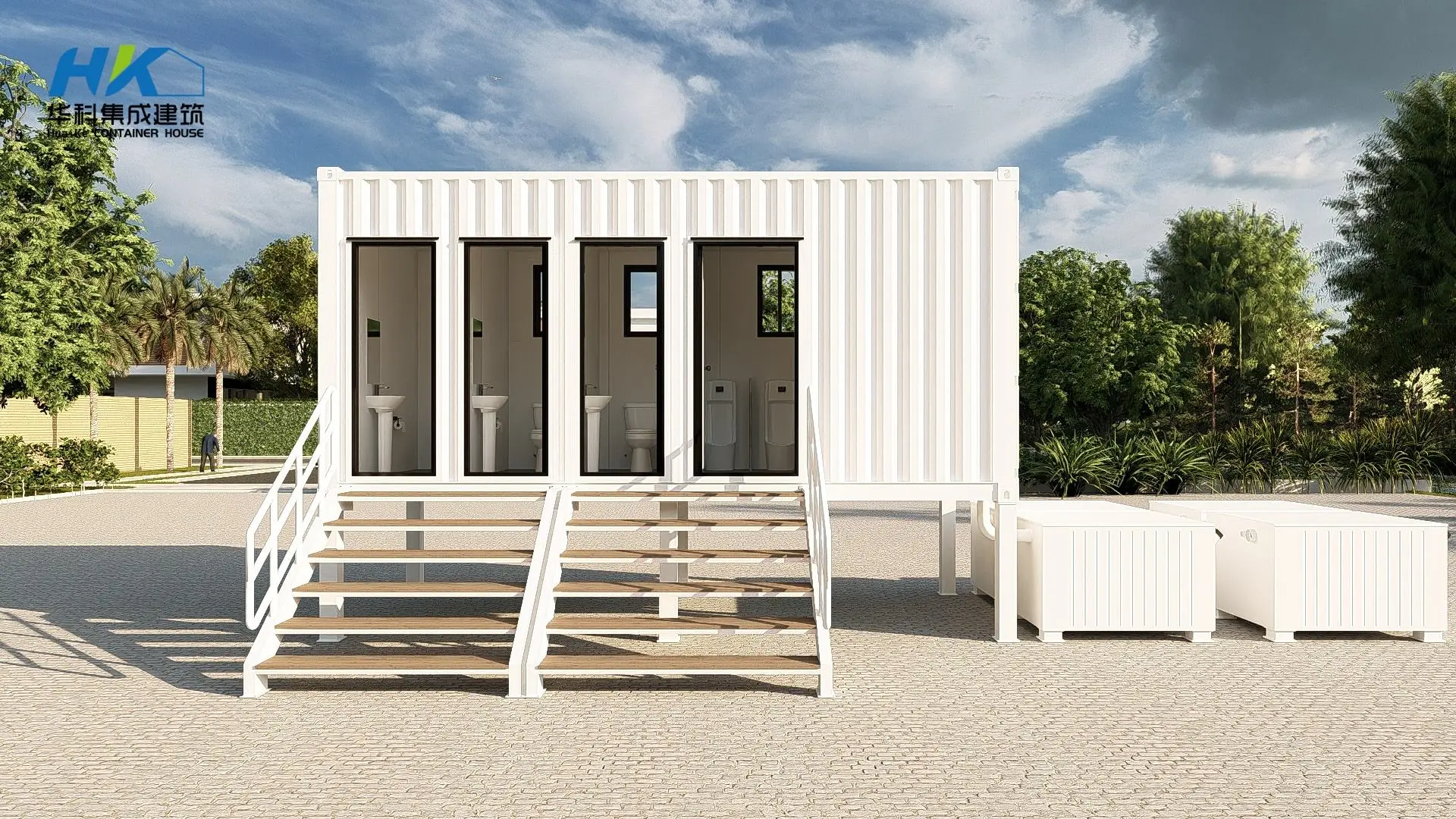 Contianer Toilet