Top Mobile House Tips for Global Buyers to Consider
In the rapidly evolving real estate landscape, "Mobile House" options are becoming increasingly popular among global buyers. According to Statista, the mobile home industry is projected to grow at a rate of 5.6% annually, reflecting a shift in consumer preferences. Mobile houses offer flexibility and affordability, attracting individuals seeking ownership without the burdens of traditional real estate.
However, potential buyers must navigate challenges in this sector. For instance, the average size of mobile homes has increased, yet many models still face scrutiny regarding longevity and resale value. A study by the Manufactured Housing Institute indicates that buyers often underestimate maintenance costs, which can vary significantly. Intelligence on local zoning laws and community regulations also proves crucial.
As the market expands, it is vital for buyers to research thoroughly. Awareness of durable materials and energy-efficient options plays a significant role in future savings. While mobile houses present exciting opportunities, a discerning approach can prevent common pitfalls. Understanding the landscape reveals that careful planning is essential for making informed decisions.

Understanding Mobile Houses: A Global Perspective
Mobile houses have become an attractive option for many buyers worldwide. Understanding the nuances of mobile houses requires a global perspective. Reports indicate that the mobile home market is projected to grow by 6.7% annually from 2022 to 2030. This growth reflects a shift in housing needs, driven by economic factors and lifestyle changes.
Different countries embrace mobile houses in unique ways. In the U.S., about 20 million people live in mobile homes, according to the U.S. Census Bureau. This figure demonstrates their popularity. However, challenges exist. Varying regulations can hinder placement and zoning. Global buyers must navigate these intricacies carefully.
When considering mobile houses, think about local climate and infrastructure. In areas prone to extreme weather, structural durability is crucial. Many homes need regular maintenance, which can be overlooked. Understanding the balance of benefits and drawbacks is key for informed decisions. Reflect on these factors to make the best choices in this evolving market.
Key Factors in Choosing a Mobile House: Location and Regulations
When considering a mobile house, location and regulations are critical factors. A survey by the National Association of Home Builders shows that nearly 50% of potential buyers prioritize location over other features. The proximity to amenities, schools, and employment can significantly influence overall satisfaction.
Research indicates that zoning laws vary by region. Understanding local regulations prevents future hassles. Some areas may restrict mobile homes in specific zones, affecting your investment. Always consult with local authorities to ensure compliance.
Tip: Before making a decision, visit potential locations multiple times. Observe the community vibe, accessibility, and any ongoing developments. Such insights can reveal important aspects that online research might miss.
It's also essential to be aware of the nuances in regulations as they can change frequently. For instance, what applies today might not hold in a year. Keeping track of these can feel daunting but is necessary for a smart investment.
Tip: Consider connecting with local real estate agents. They can provide valuable insights into current regulations.
Assessing Mobile House Quality: Materials and Construction
When assessing mobile house quality, materials and construction are crucial. Many buyers overlook how essential these factors are in determining durability and comfort. A comprehensive study by the National Association of Home Builders indicates that approximately 30% of mobile home owners report issues related to poor construction quality within the first year of purchase.
Materials play a significant role. For instance, homes built with high-grade insulation can save up to 20% on energy costs. This is vital for maintaining comfort and sustainability. Conversely, using subpar materials can lead to mold and structural issues, which are expensive to fix. Regular maintenance is also essential, as ignoring small problems can escalate quickly.
Building codes vary widely by region, affecting the quality of construction. Some areas enforce strict standards, while others have lenient regulations. It’s advisable for buyers to review local building codes. Research shows that homes built to higher standards not only last longer but also maintain higher resale values. Engaging with local builders and inspectors can provide insights into these variables.
Mobile House Quality Assessment
Financing Options for International Buyers of Mobile Houses
When it comes to financing mobile houses, international buyers face unique challenges. These buyers often need to navigate different legal and financial systems. Exploring local financing options can be helpful. You might consider working with local banks or mortgage companies that understand foreign buyers' needs.
Documentation is crucial in this process. You may need to provide proof of income, credit history, and legal status. Some lenders require a higher down payment for international clients. It can be daunting, but preparation is key to avoid delays or rejections.
Consider exploring alternative financing options. Some buyers opt for personal loans or seller financing. These can sometimes be more accessible than traditional mortgages. However, stay cautious about interest rates and terms. Always read the fine print. This approach could bring unexpected costs or complications later. Doing adequate research can save you from potentially costly mistakes.
Sustainable Living: Eco-Friendly Features in Mobile House Designs
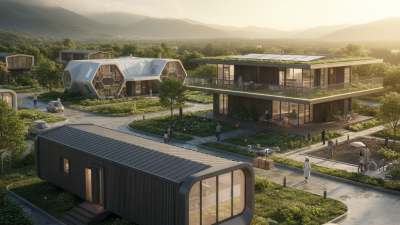
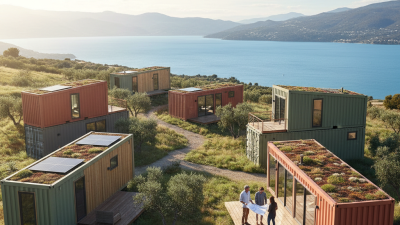
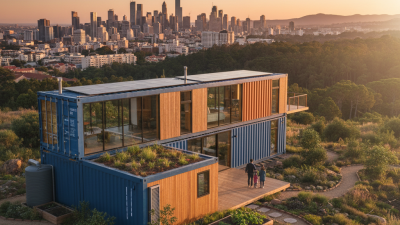
Sustainable living is becoming a priority for many mobile house buyers. Eco-friendly features are not just trends; they are necessary for a healthier planet. A recent report from the International Energy Agency shows that buildings account for 36% of global energy use. Therefore, integrating green designs in mobile houses is essential.
Many mobile houses now include solar panels, energy-efficient appliances, and rainwater harvesting systems. Solar panels can reduce energy costs significantly. A typical mobile home with solar can save up to $600 annually. Additionally, energy-efficient appliances can lower energy consumption by 25% to 50%. These features enhance the sustainability of mobile houses.
However, there are challenges. Many buyers may overlook the long-term benefits of these eco-friendly features. Initial costs can be high. Not everyone sees the value in green technology immediately. Education on the impact of energy savings is crucial. Promoting awareness can aid buyers in making informed decisions. Research indicates consumers are willing to pay up to 10% more for energy-efficient homes. This suggests the market is moving towards sustainable living options.

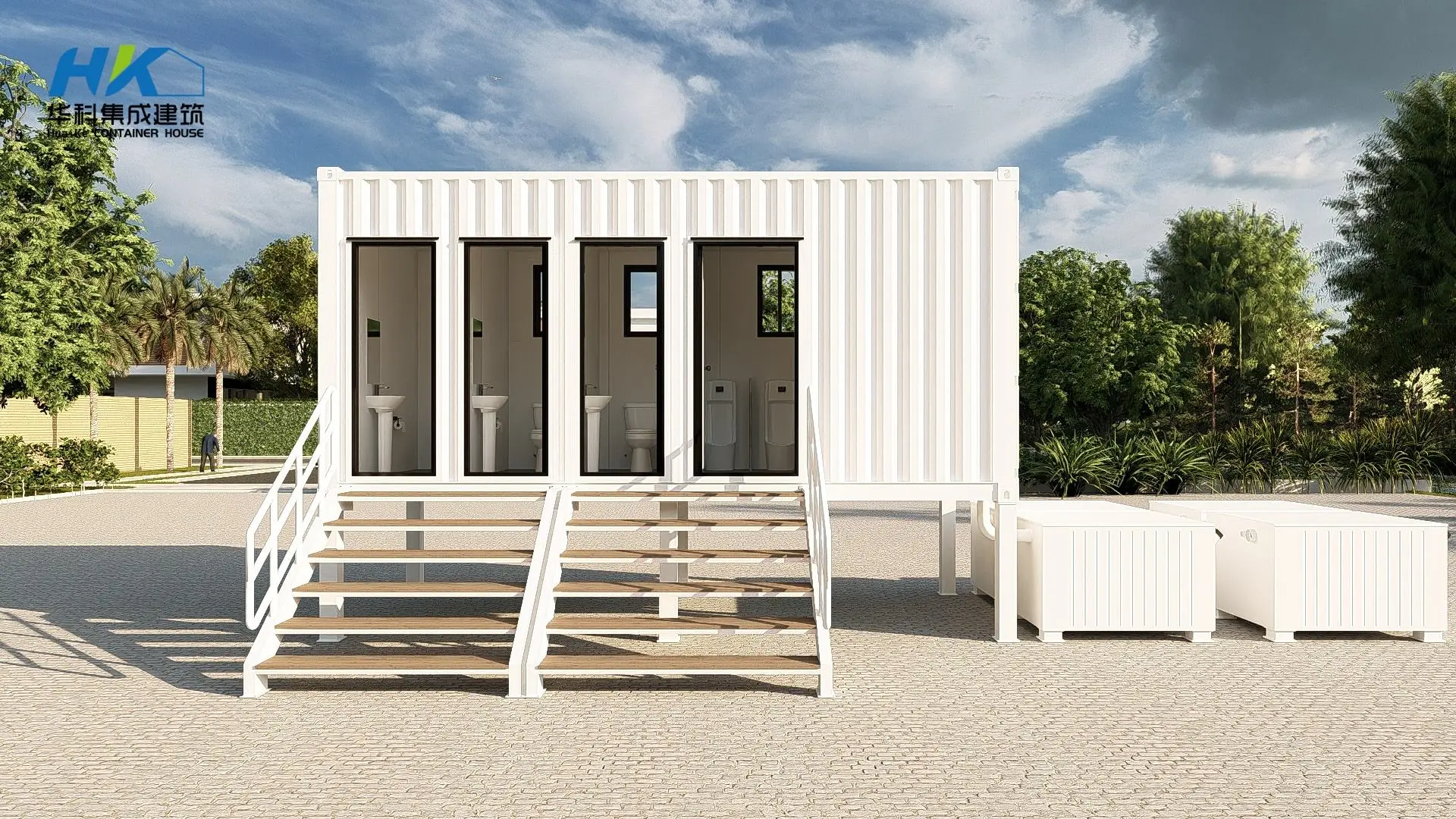 Contianer Toilet