How to Choose the Perfect Mobile House for Your Needs?
Choosing the perfect Mobile House requires careful consideration of your specific needs. According to the "Mobile Housing Report 2023," over 30% of Americans are now exploring mobile living options due to affordability and flexibility. Expert John Anderson, a leading authority in the Mobile House industry, states, “The right mobile house can transform your lifestyle significantly.”
Everyone has unique preferences. Some prioritize spacious interiors, while others focus on mobility. It’s essential to reflect on your priorities. Comfort, design, and functionality play crucial roles in making the right choice. A well-chosen Mobile House can enhance your quality of life but may also lead to design limitations down the line.
However, many buyers rush into decisions. This can result in dissatisfaction later. Understanding your long-term needs is critical. A thorough market analysis, combined with expert insights, can guide you. Explore available options. Seek expert advice. This approach can help ensure you find a Mobile House that truly fits your lifestyle.
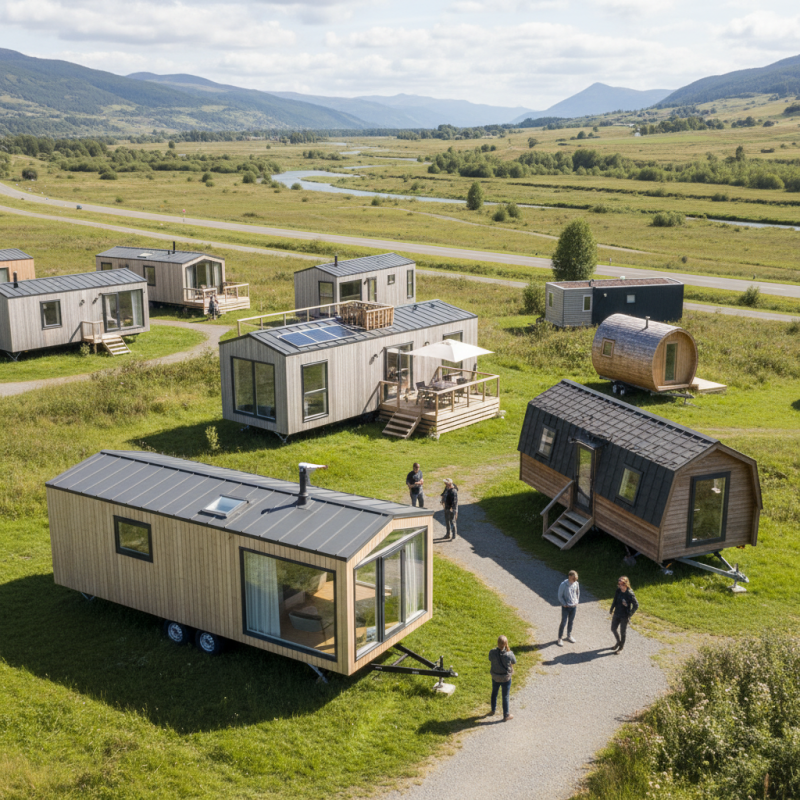
Factors to Consider When Selecting a Mobile House for Your Lifestyle
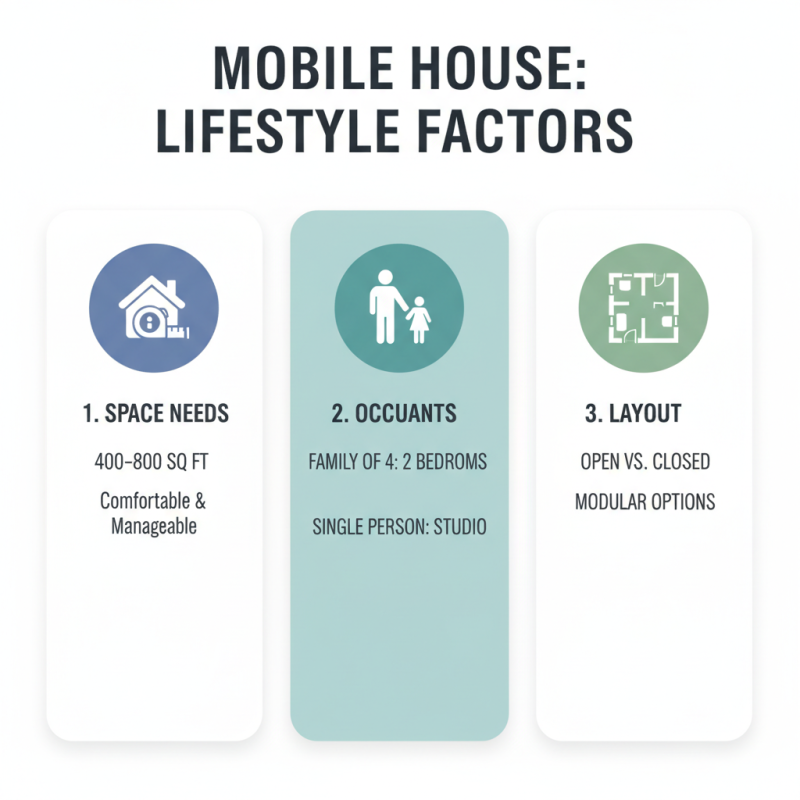
When considering a mobile house, various factors shape the right choice. First, think about space needs. Many report a preference for 400 to 800 square feet. This size is manageable yet spacious enough for comfort. Evaluate how many people will live in the mobile house. A family of four may need a two-bedroom layout, while a single person might thrive in a small studio.
Mobility is another aspect. Research indicates that about 30% of mobile house owners relocate annually. If frequent moves appeal to you, ensure your chosen model is designed for easy transport. Look for features like lightweight materials and strong foundations. These choices can prevent issues during relocation.
Additionally, energy efficiency plays a crucial role in long-term satisfaction. Reports show that energy-efficient homes save about 20% on utility bills. Investigate insulation types and appliance ratings. Consider renewable energy options, such as solar panels. Such investments may have upfront costs but lead to significant savings. Balancing these practical elements with personal preferences is essential in your selection process.
Evaluating Space Requirements and Layout Options for Mobile Homes
When evaluating space requirements for a mobile home, think carefully about your lifestyle. Determine how many people will live in the home. Consider pet space, storage needs, and areas for hobbies. A smaller layout may suit minimalists, while families often need more rooms.
Layout options also deserve close attention. Open floor plans can create a welcoming atmosphere. They allow for better light and can make a space feel larger. However, distinct rooms provide privacy and a sense of order. Reflect on which layout best fits your daily routines.
It’s important to visualize your future life in this space. Will the kitchen accommodate your cooking habits? Is there enough versatility in the living area for gatherings? Many times, prospective buyers overlook these details. They focus solely on aesthetics. Explore both functionality and comfort for a well-rounded decision. This thorough approach reduces regrets later on.
Understanding Mobile Home Types: Single-Wide vs. Double-Wide vs. Triple-Wide
When considering a mobile house, understanding the types available is crucial. There are three main types:
single-wide,
double-wide, and
triple-wide homes.
Single-wide homes are the most compact. They typically measure around 14-16 feet in width and up to 80 feet in length.
These homes can be easier to transport and quicker to set up.
Double-wide and triple-wide homes offer more space.
Double-wide units combine two single-wide units, providing a wider layout, usually around 24 feet wide.
Triple-wide homes take this a step further, often exceeding 36 feet in width. This allows for more rooms and larger living areas.
The choice depends on your family size and lifestyle.
Tips: Think about how much space you really need. Larger homes provide more comfort but can be pricier.
Consider your budget carefully. Check local regulations; some areas have restrictions on mobile home types.
Always inspect the quality of materials used. Look for energy-efficient features to save on utility costs.
Assessing Construction Quality and Material Standards in Mobile Homes
Assessing construction quality in mobile homes is crucial. Look for robust frame materials and durable finishes. High-quality mobile homes often use steel or wood frames. Quality insulation ensures energy efficiency and comfort. Think about your local climate when evaluating insulation types.
Check the certifications of the materials used. For example, certain standards indicate better fire resistance or environmental safety. Expect some discrepancies among manufacturers. Not all homes marketed as "high-quality" live up to that label. Therefore, doing thorough research is essential.
Pay attention to reviews and user experiences. They often reveal issues not apparent in glossy brochures. Look closely at the plumbing and electrical systems; these are often overlooked but critical. A well-built mobile home should pass all safety inspections. Be cautious; even trusted brands can have shortcomings. Make sure your choice reflects your lifestyle and needs, ensuring long-term satisfaction.
Construction Quality and Material Standards in Mobile Homes
This chart illustrates the quality ratings of various construction materials commonly used in mobile homes. A higher rating indicates better construction quality and material standards.
Analyzing Cost Factors and Financing Options for Mobile House Purchases
When purchasing a mobile house, cost factors play a crucial role. Consider the initial price, maintenance, and insurance costs. These can vary widely based on size and features. Make a detailed budget. Understanding these expenses will prevent surprises down the road.
Financing options are essential for your purchase. Traditional loans, personal loans, and even seller financing are available. Each option has pros and cons. Research thoroughly before deciding. Look for interest rates that fit your budget. Small changes can impact your long-term payments significantly.
**Tip**: Always include a buffer in your budget for unexpected costs.
Many people overlook hidden fees. Site preparation, utilities, and taxes can add up quickly. Inspect the terms of any financing deal. Ensure you know the total payable amount before committing. This can save you from future regrets.
**Tip**: Consult with financial experts if necessary to clarify doubts. It's better to be informed than to face issues later on.
How to Choose the Perfect Mobile House for Your Needs? - Analyzing Cost Factors and Financing Options for Mobile House Purchases
| Cost Factor |
Estimated Cost ($) |
Financing Options |
| Initial Purchase Price |
50,000 - 100,000 |
Traditional Loans, Personal Loans |
| Land Costs |
5,000 - 50,000 |
Land Loans, Cash Purchase |
| Installation Fees |
2,000 - 10,000 |
Financing through Contractor |
| Utilities Setup |
1,000 - 5,000 |
Cash Purchase |
| Insurance Costs |
500 - 2,000 per year |
Included in Mortgage |
| Maintenance Costs |
1,000 - 3,000 per year |
Savings Fund |

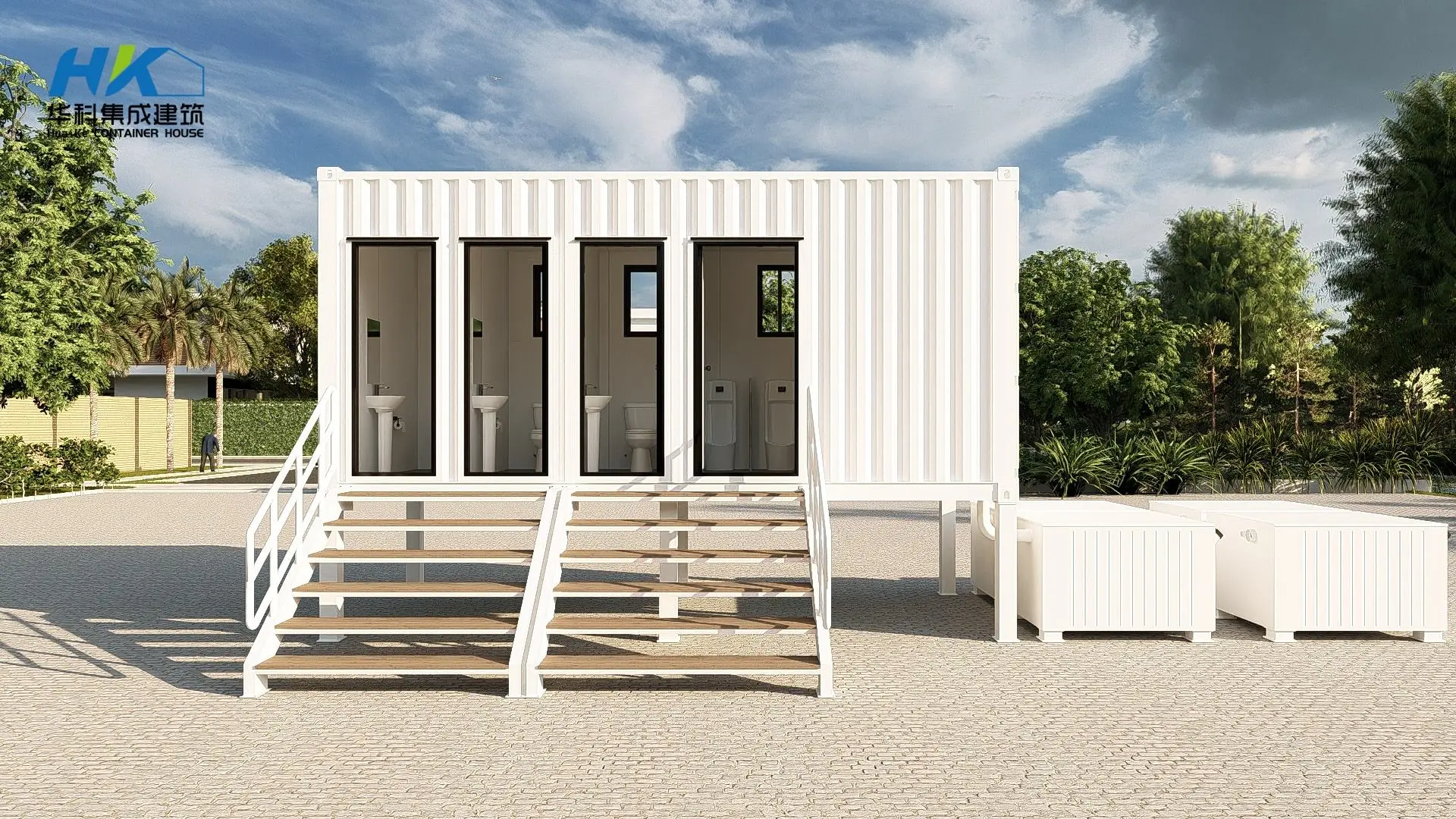 Contianer Toilet