How to Build a Container House for Affordable Living Solutions?
The rise of Container Houses has revolutionized affordable living solutions. A report by the National Association of Realtors states that housing prices have increased by approximately 15% over the last year, making affordability a pressing issue. As people seek innovative ways to decrease living costs, Container Houses emerge as a viable alternative. Built from repurposed shipping containers, they offer a sustainable and cost-effective solution to the housing crisis.
These homes can be customized to fit various lifestyles and budgets. According to the Container Housing Alliance, constructing a container home can cost 30% less than traditional houses. However, challenges exist, such as zoning regulations and insulation concerns. These factors can complicate the building process, requiring careful planning and expert consultation.
The versatility of Container Houses allows for creativity in design while adhering to sustainable practices. As the demand for affordable housing rises, investing in this unique building method may require reflection on personal needs and local regulations. Embracing the Container House concept could be a step toward achieving housing stability in an ever-changing market.

Understanding the Benefits of Container Houses for Affordable Living
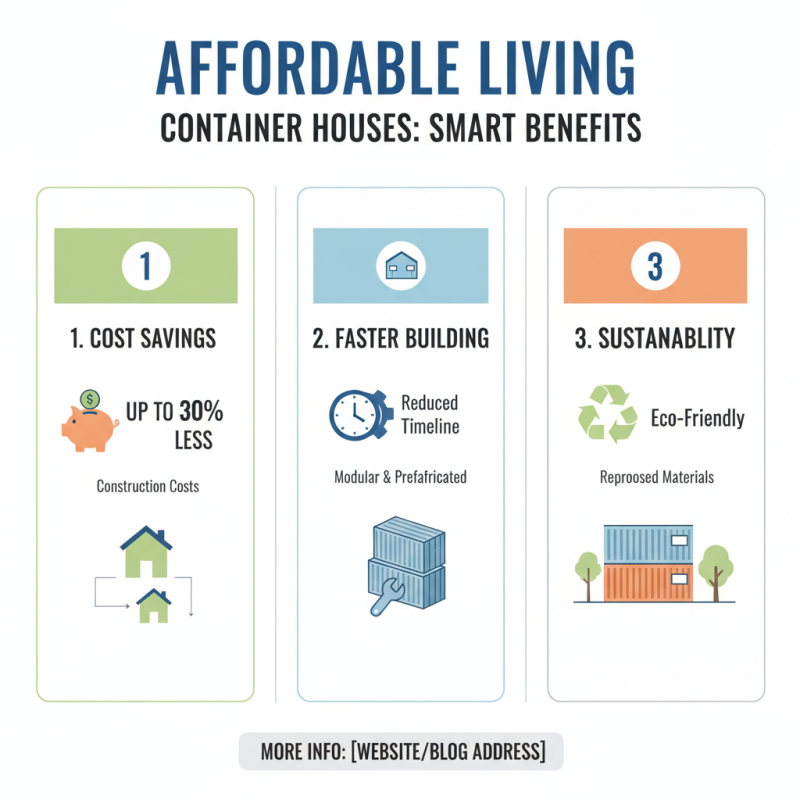
Container houses are gaining attention for affordable living. They offer unique benefits that appeal to various communities. One key advantage is cost savings. According to recent reports, building with shipping containers can reduce construction costs by up to 30%. This makes homeownership more accessible for many families.
Flexibility is another significant benefit. Container homes can be modified in various ways. They can adapt to different climates and personal needs. This flexibility helps meet the growing demand for sustainable living. A study by the International Living Future Institute revealed that over 70% of container home owners appreciate their environmental impact. They often feature energy-efficient designs and materials.
However, some challenges exist. Not all areas allow container homes due to zoning laws. Potential homeowners must research local regulations. Insulation also poses challenges. Containers can retain heat and cold, leading to discomfort if not properly managed. Despite these hurdles, the benefits of container houses continue to attract interest as an affordable living solution.
Selecting the Right Type of Shipping Container for Your Needs
Selecting the right type of shipping container is crucial for building an affordable container house. Containers vary in size, condition, and functionality. Typically, a standard 20-foot or 40-foot container is ideal for housing. These sizes offer ample space for living arrangements. However, consider the container's condition. New containers are more expensive but reliable. Used containers can be affordable but may require repairs and maintenance.
Assess your specific needs when choosing a container. Think about the design, layout, and any customizations you plan. A high cube container provides extra height, which can be beneficial for adding a loft. On the other hand, a standard container limits vertical space but may suit minimalist living. Look for container options that align with your vision while considering practical aspects like insulation and ventilation.
Don't forget to evaluate the logistics of container delivery and placement. Accessibility to your chosen site is essential for transporting a heavy container. Reflecting on your choices helps avoid issues later. A thoughtful selection process can lead to a successful container home. Remember that each container presents unique challenges and possibilities, so be prepared for a learning curve.
Planning and Designing Your Container House Layout
When designing your container house layout, careful planning is essential to optimize space and functionality. According to a 2021 report by the Container Housing Institute, more than 60% of container homes are designed to maximize living space while minimizing costs. This approach often involves open floor plans that enhance light and movement, making even small spaces feel larger.
Consider the dimensions of standard shipping containers, which are typically 20 or 40 feet long. Designers often combine multiple containers to create unique layouts. For instance, a creative approach includes stacking containers or using them in an L-shape to form private outdoor spaces. This flexibility allows for opportunities to integrate green spaces or terraces, which can improve mental well-being.
However, challenges can arise in the planning phase. Container homes can face issues with insulation and ventilation. A study published in the Journal of Housing and Society highlights that poor insulation leads to higher energy costs. Reflecting on these aspects early can prevent costly modifications later. Balancing aesthetics with functionality requires thought. It is vital to research building codes and ensure designs meet local regulations.
Essential Preparation and Foundation Work for Container Homes
When planning to build a container home, preparation and foundation work are critical. Proper groundwork ensures stability and durability. According to the Container Home Industry Report, 30% of failures in container homes stem from inadequate foundation preparation. This emphasizes the importance of a solid base.
Excavation is the first step in foundation work. Level the site and remove any debris to create a clean surface. Soil testing is vital to determine its load-bearing capacity. This affects the type of foundation you'll use—be it a simple pier or a robust concrete slab. Each option has its pros and cons; for example, while a pier foundation is cheaper, it may not hold well in areas prone to flooding.
Post-preparation, waterproofing the container is essential. Without this, moisture can seep in, leading to corrosion and mold growth inside the home. Reports indicate that nearly 40% of container homeowners faced water damage issues due to poor sealing. Addressing these factors upfront can prevent costly repairs later. Additionally, the use of high-quality insulation will help in maintaining a comfortable living environment.
Key Steps in Insulating and Finishing Your Container House Interior
Insulating and finishing a container house interior requires careful planning and execution. The first step involves selecting appropriate insulation materials. Spray foam insulation, for instance, offers high R-values. It can significantly reduce energy costs, making it an attractive choice for budget-conscious homeowners. According to a report from the U.S. Department of Energy, insulating a container can lower energy bills by 30% to 50%. Fiberglass batt insulation is another option, but it may not perform as well in a metal structure.
Finishing the interior involves more than just aesthetics. You should consider moisture barriers. Containers are prone to condensation, which can lead to mold growth. Using vapor barriers and ensuring proper ventilation is vital. A well-designed interior can enhance comfort and longevity. It’s crucial to test different layouts and materials to find what works best for your needs. Mistakes can occur during this process. A poorly insulated container can lead to discomfort and higher energy costs down the line.
Electrical and plumbing installations also need careful attention. Working within limited space can pose challenges. Ensure all systems comply with local building codes. Consult with professionals if uncertain. The importance of expert input cannot be overstated. Balancing cost and quality is essential for long-term success.
Cost Breakdown for Building a Container House

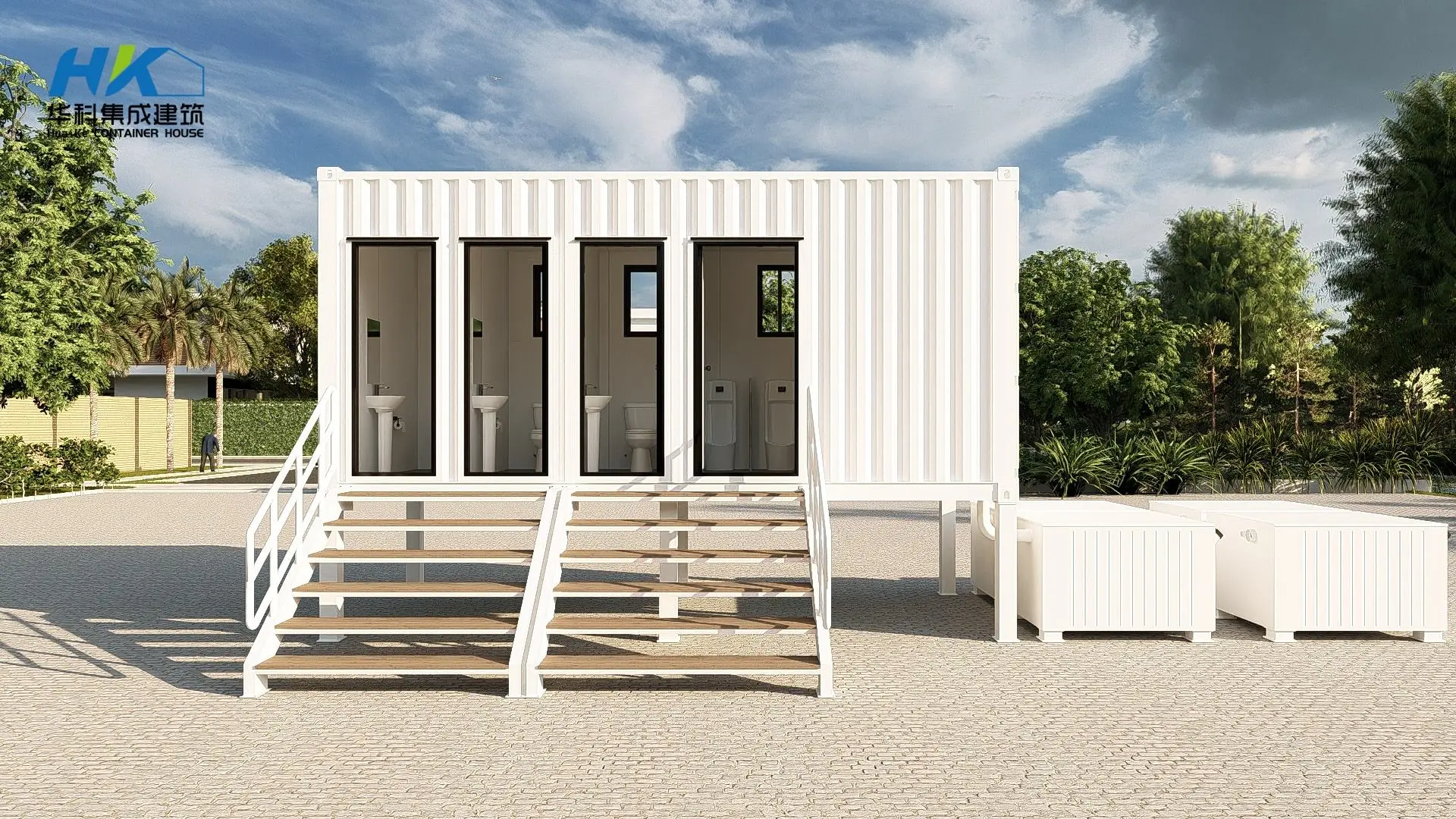 Contianer Toilet