Leave Your Message

10 Best Container House Designs for Modern Living?

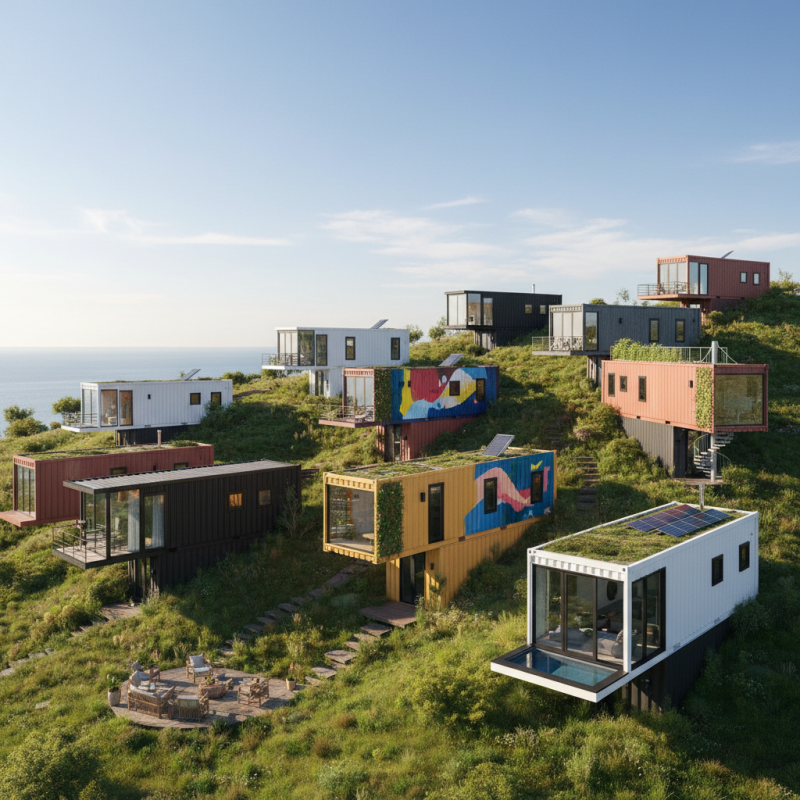
Container houses are becoming a popular choice for modern living. These innovative designs promote sustainability and provide unique aesthetics. In an era where efficiency and environmental consciousness are key, container houses stand out.

Built from repurposed shipping containers, they offer versatility and a distinct architectural style. Each design varies, showcasing personal preferences and creativity. Some may appreciate a minimalist look, while others prefer vibrant, artistic expressions.

Amidst their charm, challenges remain. Insulation and ventilation can be tricky. Layouts may also limit space utilization. Every design must reflect its occupant's lifestyle and needs. Exploring these factors is crucial before embracing container living.
10 Best Container House Designs for Modern Living?

Container House Concept: An Overview of Modern Living Solutions

Container homes have gained popularity as a modern living solution. This trend aligns with increasing urbanization and the need for sustainable housing. According to a report from McKinsey & Company, housing is a major contributor to carbon emissions. Container houses could reduce this figure significantly. They are often made from recycled materials, promoting an eco-friendly lifestyle.

These homes are not just sustainable; they also offer flexibility. Users can easily modify them based on individual tastes or needs. The layout can be customized with minimal hassle. However, it's essential to consider the insulation and ventilation of these structures. Poor insulation may lead to discomfort in extreme weather conditions.

Investing in a container house may seem cost-effective upfront. However, hidden costs often arise, including land preparation and transport. Research shows that about 25% of such projects encounter financial overruns. This raises questions about the true affordability of container living. It's crucial to weigh these factors before making a decision.
Key Features of Container House Designs for Contemporary Lifestyles

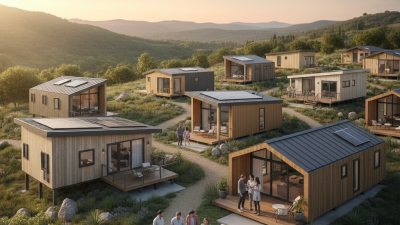
Container houses are a rising trend in modern living. They offer unique design possibilities that blend style and functionality. Their modular nature allows for various layouts. You can create open spaces or separate rooms easily. This flexibility is appealing to many.

One key feature is sustainability. Using recycled containers reduces waste. It also cuts down the need for new materials. However, challenges exist. Proper insulation is crucial. Without it, these homes can become too hot or cold. Some designs lack adequate natural light. This can make spaces feel cramped.

Incorporating energy-efficient systems is another important aspect. Solar panels and rainwater harvesting add value. They lower utility costs and promote self-sufficiency. Despite their many advantages, container homes may face zoning issues. Local regulations can complicate the building process. This requires careful planning and research. Designing a container house can be exciting, yet it demands attention to detail and creative problem-solving.

Top 10 Innovative Container House Designs for Efficient Use of Space

10 Best Container House Designs for Modern Living?

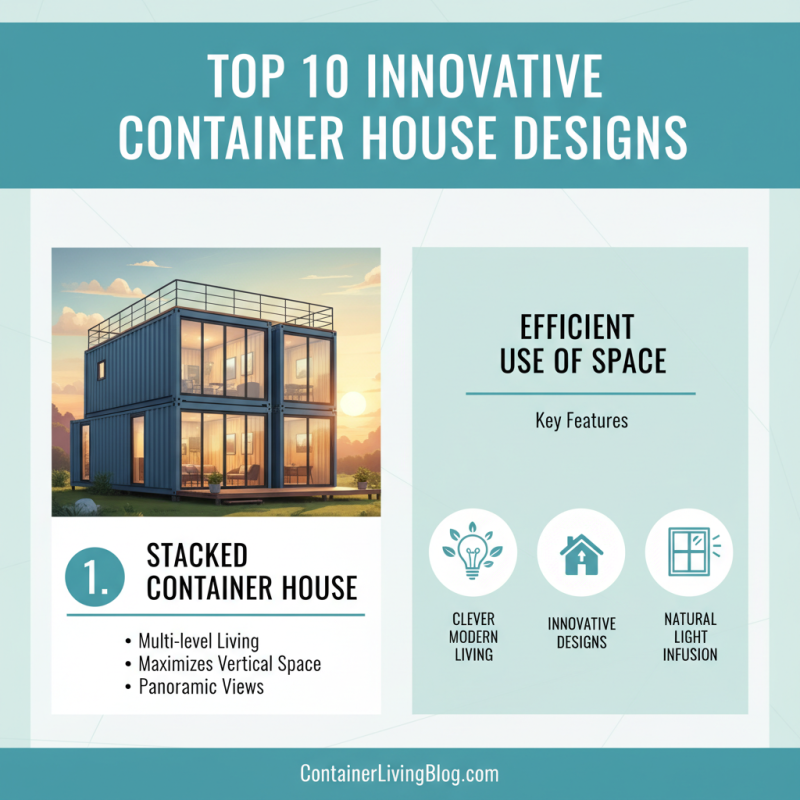
Container houses represent a clever solution for modern living. They efficiently utilize limited space and offer innovative designs. One notable design is the stacked container house. This layout creates multi-level living spaces. It maximizes vertical space and provides stunning views. Inside, natural light floods every corner through large windows.

Another interesting concept is the open-plan container home. With fewer walls, this design promotes airflow and fluid movement. It combines living, dining, and kitchen areas seamlessly. However, the lack of privacy may challenge some residents. Thoughtful furniture placement can help create personal zones.

Sustainable features are increasingly popular in container homes. Solar panels and rainwater harvesting systems enhance environmental benefits. Yet, residents must consider insulation carefully. Without it, these homes might become impractical in extreme climates. Each design offers a unique perspective on modern living, prompting a reflection on what truly makes a home functional and welcoming.

Sustainability and Environmental Impact of Container House Living

Container homes are gaining popularity due to their unique design and sustainability. These structures use repurposed shipping containers. This approach reduces waste and promotes eco-friendly living. When designed well, container homes can minimize the carbon footprint. However, some designs can be less efficient, leading to higher energy costs.

Living in a container house often requires careful planning. Insulation is often overlooked, yet essential for comfort. High temperatures can make interiors unpleasant. This brings up a vital consideration: the balance between design and function. Some people may find container living too constrictive. It’s key to weigh the creative benefits against potential limitations.

Water and energy efficiency also demand attention. Rainwater collection systems can be beneficial, but require regular maintenance. Solar panels reduce reliance on traditional energy sources. However, not every location is suitable for solar energy. Container houses are undoubtedly innovative, but they come with challenges that need thoughtful solutions.

10 Best Container House Designs for Modern Living

Design Name Size (sq ft) Key Features Sustainability Features Environmental Impact
Modern Minimalist 800 Open floor plan, large windows Solar panels, rainwater harvesting Reduces carbon footprint through efficiency
Eco-Friendly Retreat 1200 Two bedrooms, outdoor deck Sustainable materials, green roof Promotes biodiversity, habitat restoration
Urban Loft 1000 Loft-style living, industrial charm Recycled steel, energy-efficient appliances Minimizes waste and energy consumption
Family Home 1500 Three bedrooms, play area Geothermal heating, reclaimed wood Lowers energy demands and CO2 output
Coastal Escape 900 Ocean views, open living space Natural ventilation, solar water heating Reduces reliance on non-renewables
Compact Studio 600 Studio living, high ceilings Energy-efficient windows, low-VOC materials Eco-friendly living space in urban settings
Mountain Lodge 1700 Rustic design, expansive deck Insulated walls, wood-burning stove Sustainable heating and insulation
Retirement Haven 850 Single-story, easy access Energy-efficient design, ADA compliant Promotes accessibility and reduces energy costs
Artisan Workshop 750 Workspace integrated into living area Natural light optimization, solar fencing Encourages creativity in sustainable design

Cost Considerations in Building and Designing a Container Home

Building a container home can be an exciting project, but cost considerations are vital. The initial costs include purchasing containers and preparing the land. A used shipping container may cost less, but its condition matters. You might find hidden repairs needed after purchase, which adds to expenses.

Designing the interior is another area where costs can vary significantly. Minimalistic designs are generally cheaper, while complex layouts increase costs. Think about insulation. It's essential for comfort but can be pricey. When choosing materials for flooring and walls, consider your budget carefully. You want quality without overspending.

Landscaping can also add to the overall cost. A well-designed outdoor space boosts aesthetics but demands investment. Don't forget utilities like water and electricity, which require planning. Unexpected expenses might surface, so it’s wise to have a contingency fund. Balancing dreams with budget constraints can be challenging but rewarding.