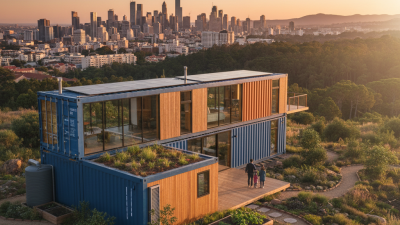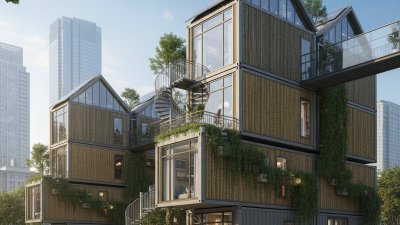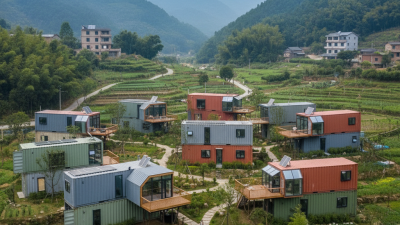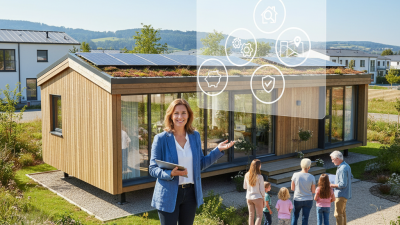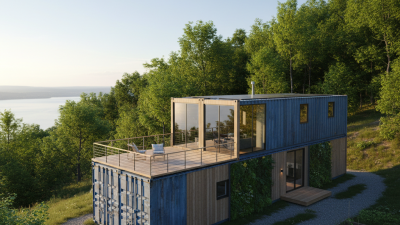
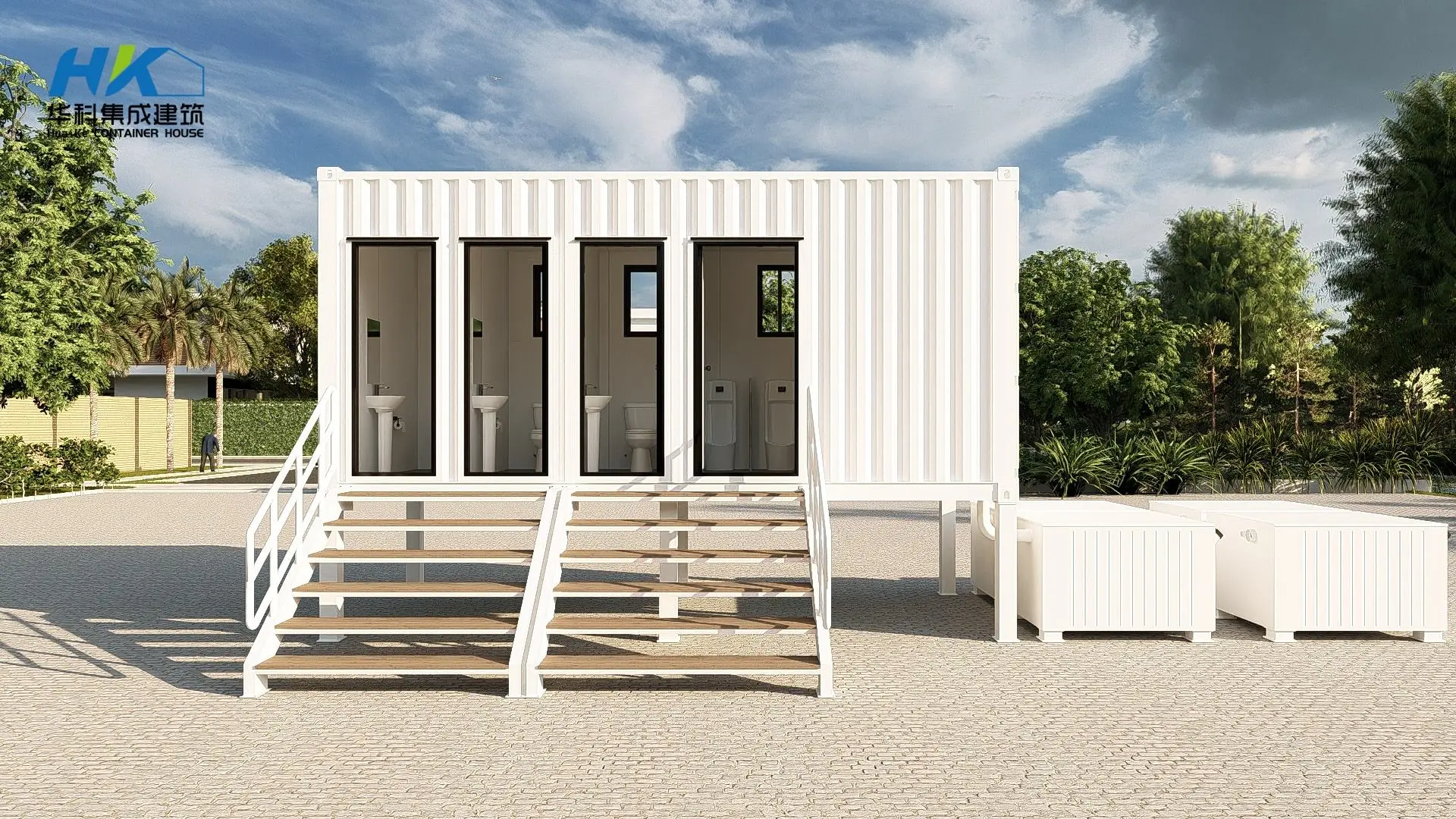
Container houses have gained significant popularity in recent years. They offer unique advantages that appeal to global buyers. Designed from repurposed shipping containers, these homes are not only eco-friendly but also cost-effective. This innovative approach enables more sustainable living without compromising quality.
One major benefit is the speed of construction. Container houses can be assembled quickly, reducing the waiting time for new homeowners. They provide flexible space options, making them suitable for various lifestyles. The durability of steel containers ensures longevity and resistance to harsh weather, which is essential in many regions.
However, it is essential to consider potential drawbacks. Proper insulation is crucial for temperature control. Buyers should also factor in zoning laws and regulations in their areas. These aspects require careful planning and consultation with experts. Overall, understanding the benefits and challenges of container houses helps buyers make informed decisions.
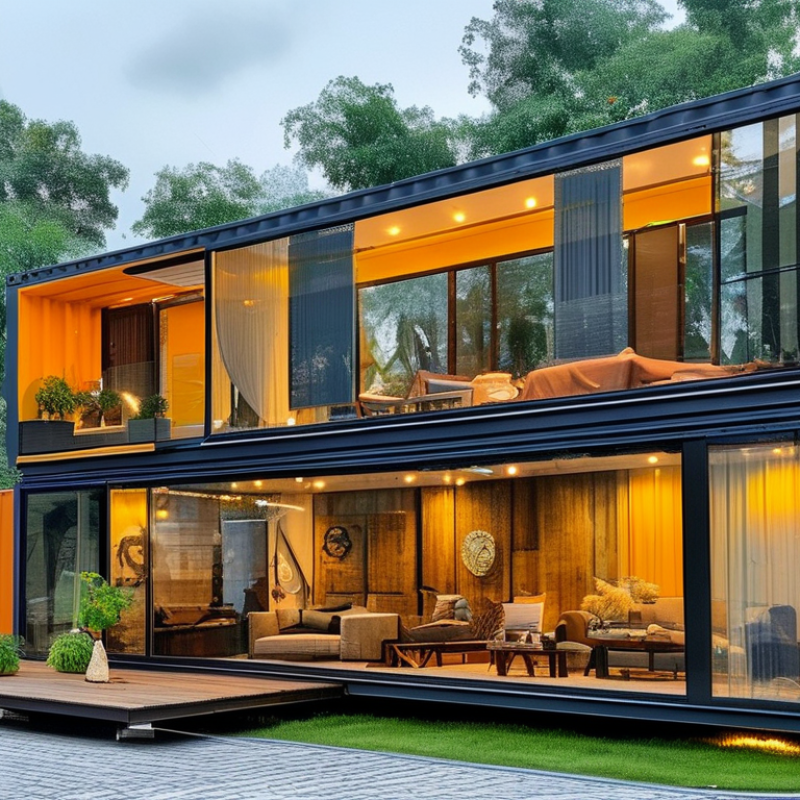
Container houses present an innovative solution for sustainable living, addressing both ecological concerns and housing needs. According to a report from the United Nations, the construction sector contributes nearly 39% of global carbon emissions. Container homes, made from repurposed shipping containers, greatly reduce this impact. By reusing existing materials, they minimize the need for virgin resources, aligning with the principles of sustainability.
Energy efficiency is another critical advantage of container houses. Research from the U.S. Department of Energy highlights that these homes can cut energy consumption by up to 40% compared to traditional building methods. The compact size of containers allows for optimal heating and cooling, reducing utility bills significantly. Many designs incorporate solar panels, enhancing energy independence and furthering eco-friendly practices.
While there are numerous benefits, potential challenges exist. Insulation and moisture control can pose issues in container homes. Proper planning is essential to avoid problems like rust and temperature fluctuations. Buyers should research these concerns thoroughly. Despite these challenges, the appeal of container houses continues to grow, reflecting a changing mindset toward sustainable living practices.
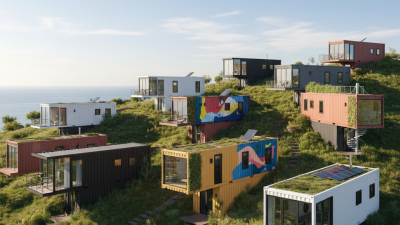
Container houses have emerged as a practical alternative to traditional homes. Their unique structure and design often lead to lower construction costs. In many cases, building with shipping containers can save up to 30% compared to conventional materials. The simplified building process requires less labor and time, translating to faster occupancy. This efficiency appeals significantly to global buyers seeking affordable housing solutions.
However, potential challenges exist. While the initial cost may be lower, the long-term maintenance of a container house needs careful consideration. Containers can be prone to rust and require insulation to ensure comfort. These factors may add unforeseen expenses over time. Also, local zoning laws can sometimes create hurdles when placing these structures. It’s essential for buyers to conduct thorough research before making decisions.
Nevertheless, the appeal of container houses continues to grow. Their versatility allows customization to meet individual needs. Buyers can transform a simple container into a stylish, functional home. This adaptability makes them particularly attractive in urban environments where space is at a premium. Global buyers should weigh these benefits carefully against their specific requirements and challenges.
Container houses are becoming a popular choice for many global buyers. The flexibility in design is a key feature that attracts homeowners. You can customize the layout, color, and materials. This allows you to create a space that truly reflects your personality. A container house can be transformed into a cozy home, an office, or even a café. The possibilities are endless.
Customization options extend beyond aesthetics. You can choose sustainable features like solar panels and rainwater systems. These choices contribute to energy efficiency and environmental responsibility. However, customization can also lead to unexpected challenges. Finding skilled workers who understand container construction is essential. It may take time to research and discover the right solutions for design needs.
Additionally, there can be limitations. Not all local building codes support container homes. Buyers need to navigate these regulations carefully. This can be frustrating but worth the effort. The journey of creating a container house can be a learning experience. Each decision shapes the final outcome, and sometimes you'll need to rethink your plans.
Container houses offer significant advantages, especially in their speed of construction. Unlike traditional homes, these structures can be assembled rapidly. A typical container home can be ready in weeks rather than months. This efficiency appeals to buyers needing quick housing solutions. The modular nature allows for easy transportation and setup, whether in urban areas or remote locations.
Tips: When considering a container home, assess your site carefully. Ensure it's accessible for a delivery truck. Research local building codes as they can influence your project timeline.
The appeal of container homes also stems from their scalability. These units can be stacked or combined to create various layouts. Depending on your needs, one or multiple containers can be designed. However, the design process requires careful planning. Spontaneity here can lead to regrettable decisions such as ignoring ventilation or insulation needs.
Tips: Keep a flexible mindset during the design phase. It’s essential to factor in growth potential for your family or business. Engage with professionals who have experience in container home design. Their insights are invaluable.
Container houses are becoming increasingly popular globally. They offer remarkable environmental benefits. One of the most significant advantages is recycling. Shipping containers, often discarded, are repurposed into homes. This process reduces waste and promotes sustainability.
The construction of container houses generates fewer emissions than traditional buildings. They require less energy to produce and transport. The materials used are often recycled, contributing to a circular economy. However, there are challenges in insulation and weatherproofing. Some homes may require additional materials to ensure proper energy efficiency.
Building with containers also raises questions about durability. While they are sturdy, the specifics of each location can affect longevity. Buyers should consider local climates and regulations. These factors can influence the effectiveness of container homes. Despite these issues, interest in container houses continues to grow due to their potential for a lower environmental footprint.
| Benefit | Description | Environmental Impact | Recycling Benefits |
|---|---|---|---|
| Cost-Effective | Lower construction costs compared to traditional homes. | Reduces demand for new building materials. | Utilizes repurposed containers, reducing waste. |
| Quick Construction | Faster build times due to modular design. | Minimizes environmental disruption during construction. | Encourages reuse rather than disposal. |
| Durability | Highly resistant to weather and pests. | Reduces the need for frequent repairs. | Longer lifespan promotes sustainability. |
| Energy Efficiency | Can be designed with energy-saving features. | Less energy consumption leads to lower carbon footprint. | Reduced energy waste through efficient insulation. |
| Flexibility | Can be easily expanded or modified. | Adapts to changing needs over time. | Promotes creative reuse of materials. |
| Mobility | Easy to transport and relocate. | Reduced land impact when moved. | Can be resold or relocated instead of discarded. |
| Aesthetic Appeal | Unique and modern design possibilities. | Encourages innovative architectural practices. | Promotes a culture of repurposing in design. |
| Low Maintenance | Requires less upkeep compared to traditional homes. | Less waste generated from repairs. | Encourages long-term use of materials. |
| Resilience | Designed to endure harsh conditions. | Promotes stability in vulnerable areas. | Reduces the need for new raw materials. |
| Sustainability | Incorporates eco-friendly practices. | Supports a sustainable housing model. | High potential for future recycling and reuse. |