How to Find Affordable Container Homes for Your Needs?
Finding an affordable container home can seem challenging. Many people dream of living in a unique and sustainable space, yet they worry about the cost. Affordable container homes offer an innovative solution for those seeking a stylish and budget-friendly lifestyle. These homes are versatile, allowing for customization to meet individual needs.
There are various resources available to help find affordable options. Online platforms list affordable container homes for sale across different regions. Networking with builders experienced in container construction is essential. They can guide you toward reliable options.
However, not all container homes are created equal. It's crucial to evaluate quality and durability when searching for your perfect fit. You may come across homes that appear affordable but require significant modifications. This can lead to unexpected expenses. Set a clear budget and define your needs to avoid pitfalls in your search for an affordable container home.
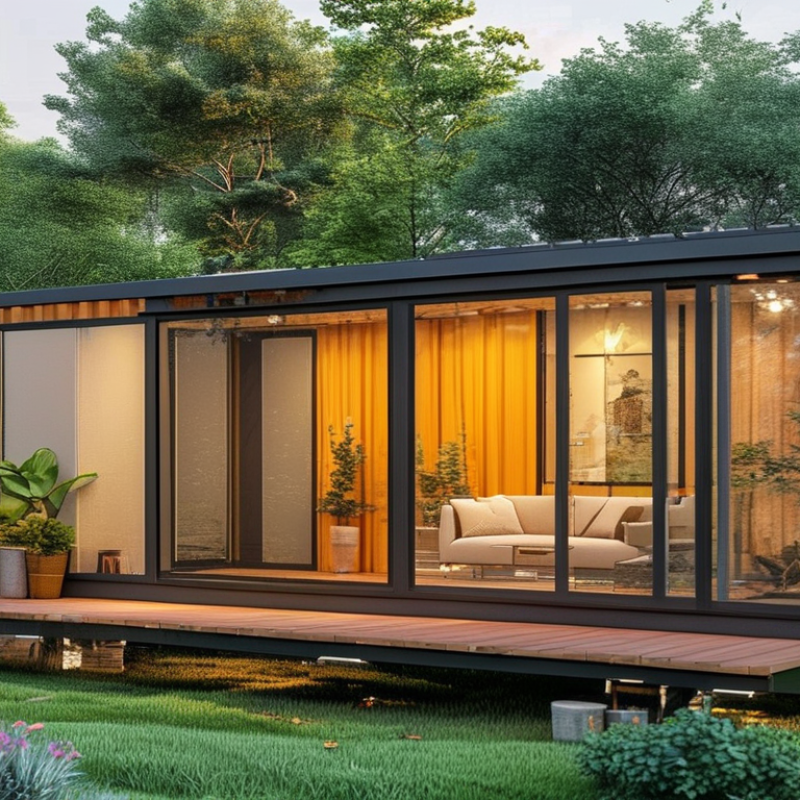
Understanding Container Homes and Their Advantages
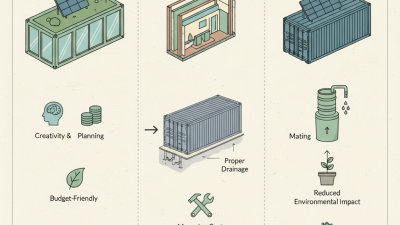
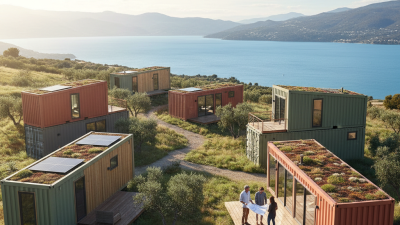
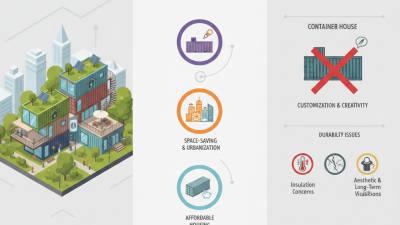
Container homes are gaining popularity for their affordability and versatility. They are made from repurposed shipping containers, making them an eco-friendly choice. These homes can be customized to fit your lifestyle. You can create a cozy studio or a spacious family house. The robust construction of containers provides excellent insulation. This means lower energy costs and comfortable living year-round.
When considering container homes, remember to assess your space needs. Think about the number of rooms and layout. Investigate local zoning laws, as they can affect placement and design. Inspecting the container's condition before purchase is vital. Look for signs of rust or damage. Their lightweight but sturdy nature offers mobility. It's possible to relocate easily if needed.
Tips: Consider adding windows for natural light and ventilation. This enhances the living environment. Utilize the roof for gardens or solar panels. They add utility and aesthetic appeal. Research local builders who specialize in container conversions. Their expertise will guide you through the process.
Identifying Your Space and Design Requirements
Identifying your space and design requirements is crucial when searching for affordable container homes. Begin by evaluating how much space you really need. Think about the number of rooms you require. Do you need a bedroom, a living area, or a home office? List your must-haves and nice-to-haves. This list helps in narrowing down your options and focusing on what's essential.
Next, consider your lifestyle and aesthetic preferences. Do you prefer an open concept or distinct rooms? Visualize the flow of your daily routines. Natural lighting might be important if you work from home. You might want a cozy nook for reading. These design elements significantly impact how you feel in the space.
Lastly, don't overlook the materials and layout. Some container homes may require insulation, while others might not. Research local building codes and regulations, as they can vary widely. Be prepared for some trial and error. You may find a great design but struggle with space limitations or costs. Reflect on what you can compromise. This thoughtful approach ensures that your container home meets both your needs and budget.
Researching Budget-Friendly Container Home Suppliers
Researching affordable container home suppliers requires careful consideration. Start by utilizing online platforms to find dealers who specialize in container homes. Websites like forums can provide insights into customer experiences. Look for suppliers with positive reviews and a history of reliable service. Focus on those who have substantial experience in the industry.
Consider visiting local home shows or expos. These events often feature container home builders. You can directly interact with them and ask questions. Pay attention to the materials they use. Some builders cut costs by using cheaper materials, which may not be durable.
It's essential to verify the supplier's credentials. Ask for references and check their previous work. A reliable builder should openly share their portfolio. While gathering information, sometimes you may come across mixed reviews. Reflect on these contrasting experiences and weigh the pros and cons. The journey may be challenging, but finding the right supplier is crucial for your container home project.
Evaluating Affordable Container Home Models and Options
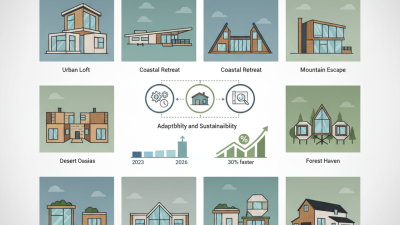
When exploring affordable container home models, it's essential to understand the various options available. Container homes can vary widely in size, layout, and price. Consider starting with basic models that suit your budget. You might find 20-foot or 40-foot containers, which are popular choices. They offer flexibility for single units or larger, multi-container designs. Look for structures with simple interiors that can be customized later.
**Tips:** Focus on second-hand containers as a cost-effective option. Check local listings and auction sites; you may find great deals. Inspect for wear and tear, especially rust. A little investment in repairs can save you a lot on new models.
Beyond size and price, think about energy efficiency. Many affordable models can be retrofitted with solar panels or better insulation to reduce long-term costs. Research local building codes and zoning laws before purchasing. This step may help you avoid potential headaches down the line.
**Tips:** Engage with local container home communities. They share valuable insights. You might gather ideas for designs or learn about trusted suppliers. Collecting different perspectives can guide your decisions effectively.
Affordable Container Homes Price Comparison
Exploring Financing and Insurance for Container Homes
Financing a container home can be less straightforward than a traditional property. Many lenders are unfamiliar with these structures, which may complicate the loan process. According to a survey by the Container Home Association, only about 30% of banks offer financing for container homes. As a potential buyer, it's crucial to thoroughly research your financing options. Standard mortgages may not apply, so consider alternative solutions like personal loans or construction loans.
Insurance is another vital consideration. Finding coverage for a container home can be challenging. Specific insurers may categorize them as mobile homes, affecting premiums and policy options. The average cost of insuring a container home is around $1,200 annually, according to industry resources. However, this can vary based on location and the home's value. Speak with insurance specialists experienced in unconventional housing.
Tips: Always disclose the unique aspects of your container home to insurers. This includes the customizations and intended use. Keeping documentation, such as purchase receipts and construction plans, can help streamline the process. Verify the insurer's experience with container properties. Understanding your loan and insurance options can lead to a smoother home-buying experience. Remember, an informed choice helps avoid future pitfalls.

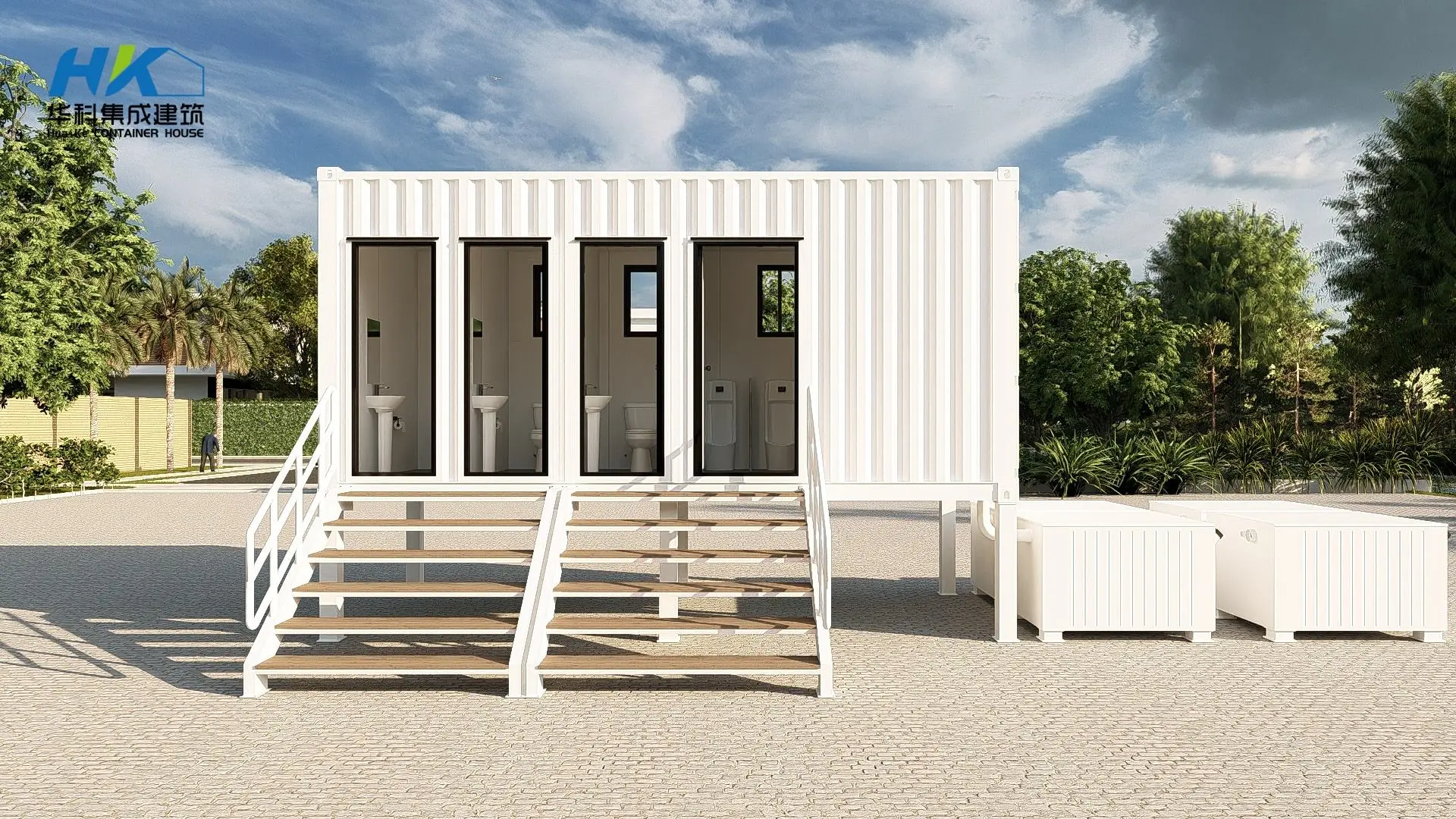 Contianer Toilet