What Are the Advantages of Living in a Prefab House?
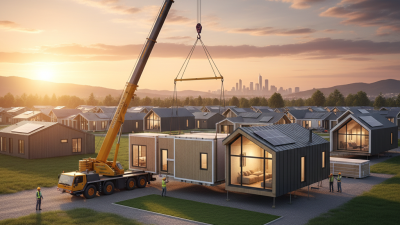
Living in a prefab house offers numerous benefits. These homes are often quicker to build compared to traditional structures. Made from manufactured components, prefab houses can significantly reduce construction time. Many people appreciate the cost-effectiveness of prefabs as well. They tend to be more affordable than conventional homes, without sacrificing quality.
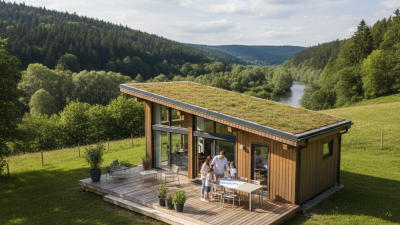
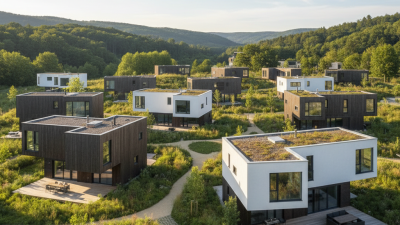
Prefab houses can also be environmentally friendly. Many models use sustainable materials and energy-efficient designs. However, some critics argue that the unique character of traditional homes is lost. The sleek, modern look may not appeal to everyone. Individuality can sometimes feel absent in cookie-cutter designs.
Choosing a prefab house is a personal decision. For some, it represents a practical solution to housing needs. For others, it may lack the charm they desire. Understanding the advantages and downsides can help define what one truly wants in a home. Exploring these ideas can lead to a meaningful discussion about modern living.
Advantages of Cost-Effectiveness in Prefab Housing Solutions
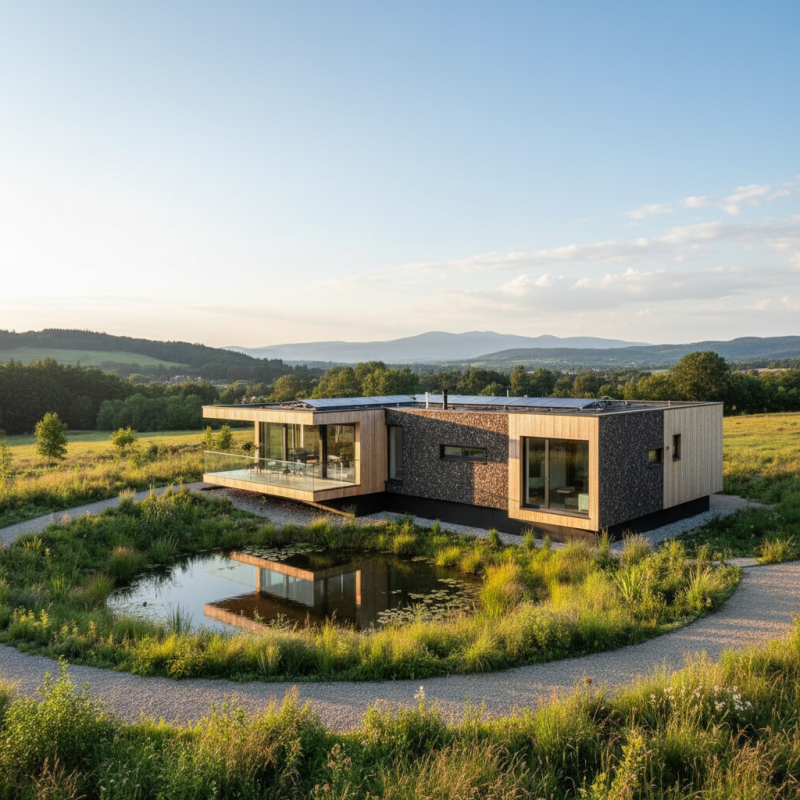
Prefab houses offer significant cost advantages that attract many homeowners. According to industry reports, prefab construction can reduce building costs by 10% to 20%. This comes from streamlined manufacturing processes and reduced labor costs. The average cost per square foot for prefab homes is often lower than traditional builds. For instance, a standard prefab might cost around $100 to $150 per square foot. In contrast, conventional homes can exceed $200 per square foot.
Tips: Consider your budget when planning your living space. A smaller prefab design could further enhance savings without sacrificing quality.
Prefab housing also shortens construction time, often completing builds in just a few months. Traditional homes can take six months to over a year. Quick assembly reduces financing costs. However, potential location constraints can affect timelines. Some sites may require additional preparations, which can negate efficiency gains. It's important to weigh these factors.
Tips: Research local zoning laws before making decisions. Being informed can save time and money.
Energy Efficiency and Sustainability in Prefabricated Structures
Prefabricated houses have gained attention for their energy efficiency and sustainable design. These structures are built in controlled environments, reducing waste significantly. This process allows for precise construction, leading to fewer materials being discarded. The result is a home that is not only efficient but also minimizes impact on nature.
Many prefab homes are designed with energy performance in mind. They often feature high-quality insulation and energy-efficient windows. This results in lower heating and cooling costs for homeowners. Additionally, the use of renewable materials contributes to sustainability. However, some may question the long-term durability of these materials. Ongoing maintenance can be a concern, especially in extreme weather.
Living in a prefab house can lead to unique challenges. Residents might face limitations in customization or zoning laws that affect placement. While these homes often boast eco-friendly benefits, what happens if the local infrastructure doesn’t support them? It's important to weigh these factors carefully. Sustainable living requires a balance between innovation and practicality.
What Are the Advantages of Living in a Prefab House? - Energy Efficiency and Sustainability in Prefabricated Structures
| Advantage |
Description |
Energy Efficiency |
Sustainability Aspect |
| Cost-Effectiveness |
Prefab houses are generally cheaper to construct than traditional homes due to reduced labor costs and material waste. |
Often built with energy-efficient materials, leading to lower utility bills. |
Utilization of recycled and sustainable materials in construction. |
| Rapid Construction |
Prefab homes can be assembled much faster than conventional homes, minimizing overall construction time. |
Reduces the time spent on energy consumption during construction phases. |
Less on-site disruption and reduced environmental impact during building. |
| Design Flexibility |
Prefab houses can be customized to meet the specific requirements and tastes of the homeowner. |
Can incorporate advanced insulation techniques that enhance energy efficiency. |
Ability to integrate renewable energy solutions like solar panels in the design. |
| Quality Control |
Construction occurs in a factory setting, which often leads to better quality assurance processes. |
Better insulation and construction practices contribute to lasting energy efficiency. |
Use of sustainable materials ensures a lower carbon footprint. |
| Reduced Waste |
Factory construction minimizes material waste compared to traditional on-site building. |
Less waste produced translates to lower environmental impact. |
Focus on recycling materials contributes to a sustainable living space. |
Customization Flexibility and Design Options in Prefab Homes
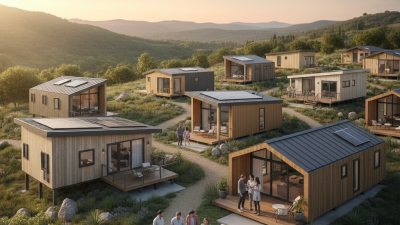
Prefab homes offer remarkable customization flexibility. Homeowners can choose layouts that reflect their unique lifestyles. This range of design options allows for creativity in personalizing every aspect, from the floor plan to exterior finishes. Imagine selecting vibrant colors and materials that resonate with your personal style. Every choice is a chance to express individuality.
However, customization can come with its challenges. Some prefer cookie-cutter designs for simplicity. Navigating design options could overwhelm those unfamiliar with homebuilding. Moreover, not all providers offer the same level of flexibility. It's crucial to understand the boundaries of customization. Knowing what fits within a budget can bring clarity to the decision-making process.
Additionally, eco-friendly materials can also be part of the design journey. Homeowners might want to integrate sustainable features. This can enhance both aesthetics and energy efficiency. Ultimately, while the possibilities are vast, the journey of creating a dream prefab home requires careful thought and planning.
Advantages of Living in a Prefab House
Reduction of Construction Time and Labor Costs in Prefab Housing
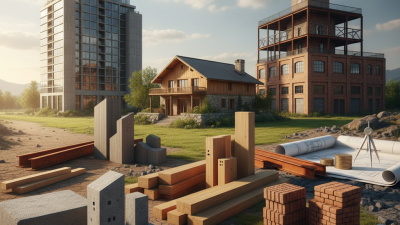
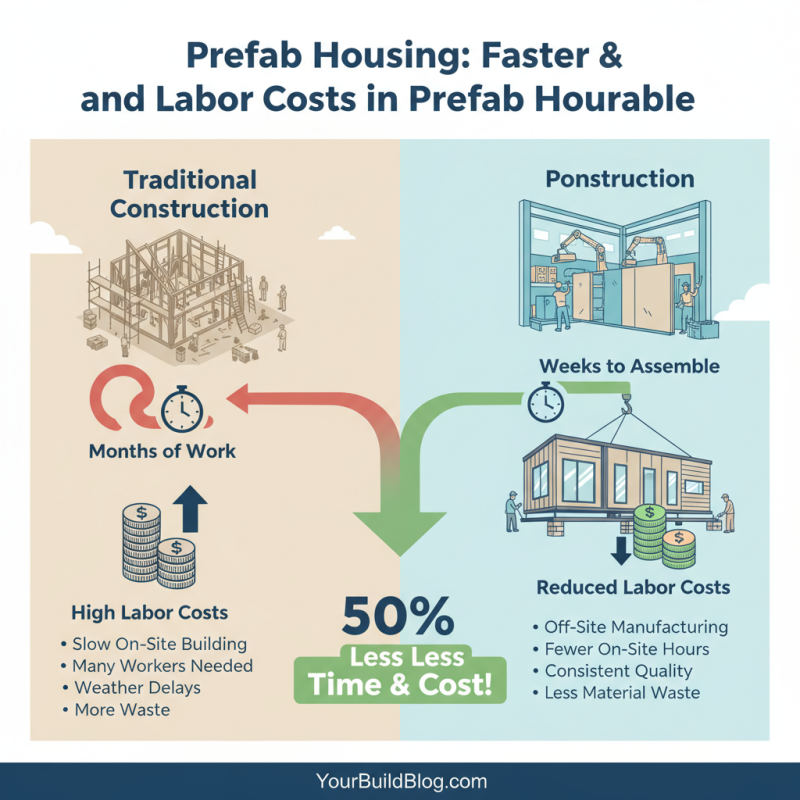
Prefab houses offer significant benefits, especially in reducing construction time and labor costs. Traditional building projects often drag on for months, leading to increased expenses. Prefab homes, on the other hand, are manufactured off-site. This process allows for quick assembly once they arrive at the location. Many elements are pre-fabricated, minimizing on-site labor need, which can cut costs considerably.
Tips: Choose a design that fits your budget. Look into local regulations. It’s important to understand delivery timelines. Planning ahead can prevent delays and extra charges.
While prefab houses promise efficiency, there are challenges as well. Not every model fits every location. Issues can arise if the land isn’t properly prepared. Additionally, zoning regulations may pose hurdles. It’s crucial to do thorough research before making decisions. Some homeowners regret rushing the process. Taking the time to evaluate options can lead to a better outcome.
Tips: Consult with professionals in construction and land development. They can provide valuable insights. Always factor in potential upgrades. A slightly higher initial investment may save money long-term.
Enhanced Quality Control and Durability of Prefabricated Homes
Prefab houses offer significant advantages, particularly in quality control and durability. The construction process is highly controlled in a factory setting. Each component is built under stringent regulations, ensuring consistency and superior craftsmanship. This controlled environment minimizes the chances of human error that often occurs on traditional job sites.
Durability is another critical factor. Prefabricated homes are often designed to withstand various environmental challenges. From extreme weather to pest resistance, these homes tend to outperform standard builds. The materials used are often chosen specifically for their longevity. However, it is essential to recognize that not all prefab homes are created equal. Some may cut corners in materials to reduce costs, leading to unforeseen issues over time.
Driving through areas with prefab homes, you'll notice a uniformity in design. This can be aesthetically pleasing to some, yet monotonous to others. While the efficiency of construction is commendable, it raises questions about individuality. Many may feel that personal expression is compromised. The allure of a unique home is indeed compelling. Balancing efficiency with personal touch can be a challenge that potential owners must confront.

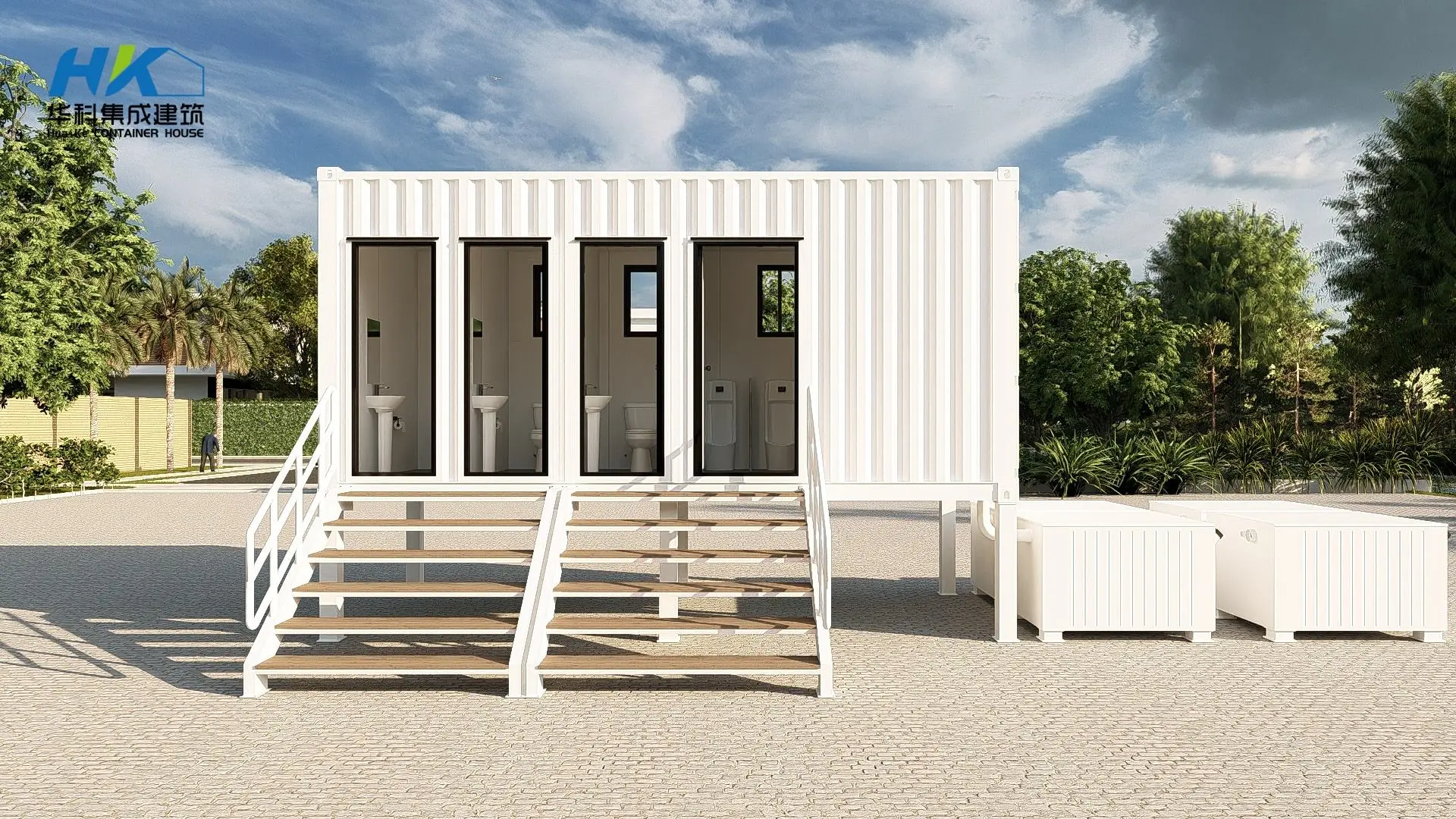 Contianer Toilet