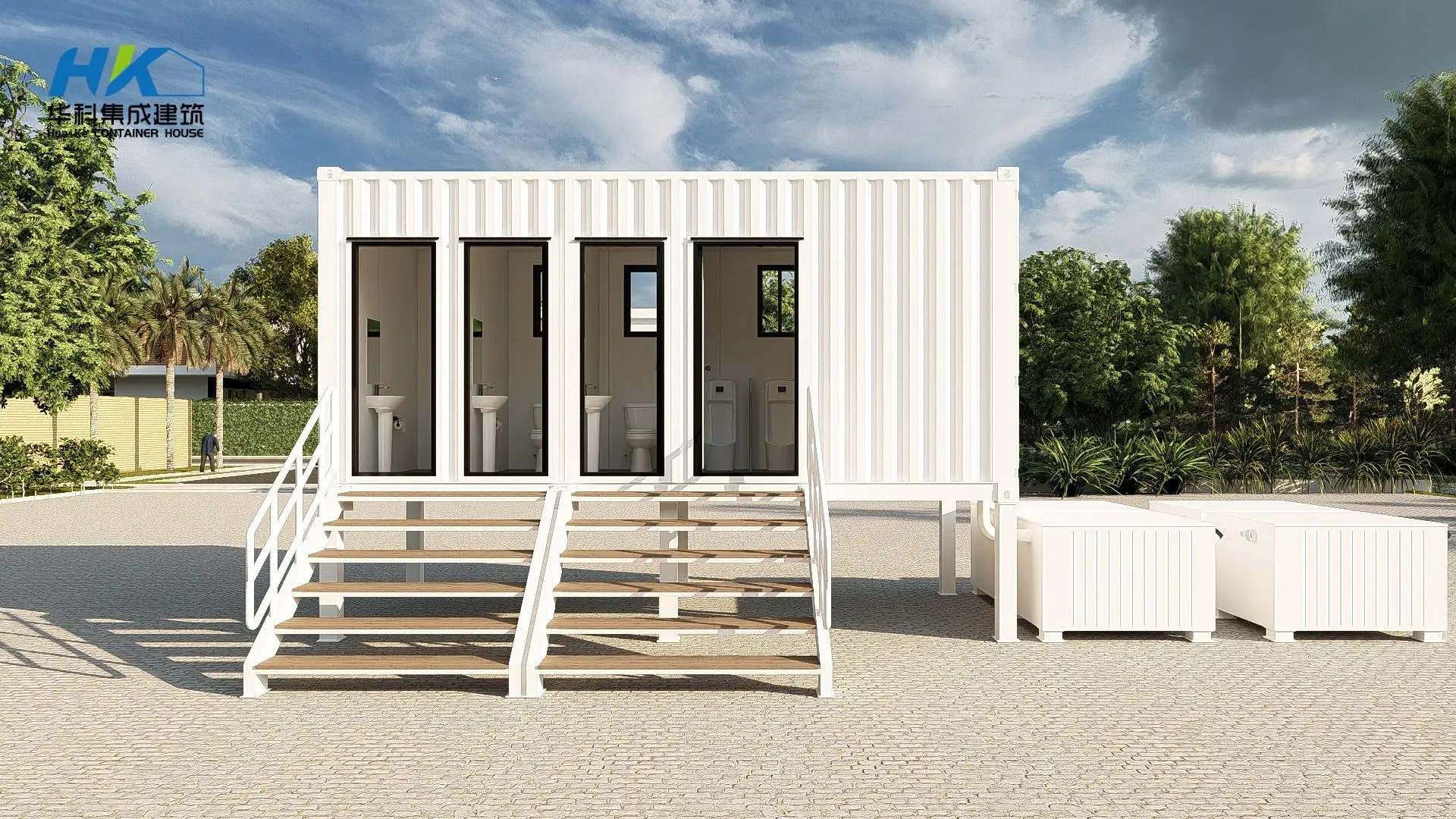
 Contianer Toilet
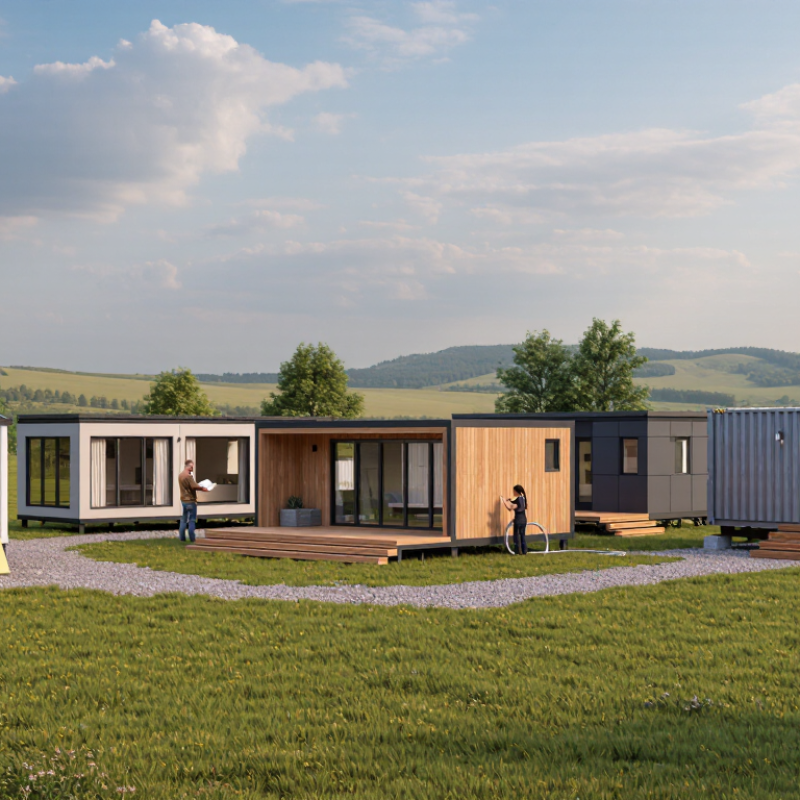
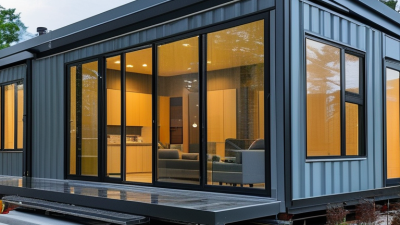
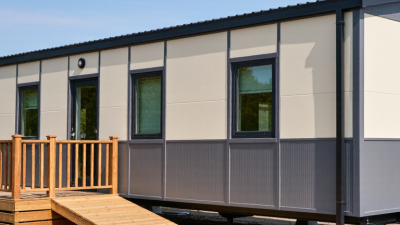
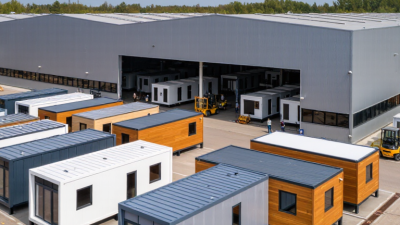
A mobile house in the 2026 global housing market is more than a small building on wheels. It is a dwelling designed for relocation, temporary placement, or flexible ownership. Many units leave a factory with walls, wiring, plumbing, insulation, and interior finishes already installed. This controlled process can reduce construction waste and improve quality consistency. It does not guarantee perfection.
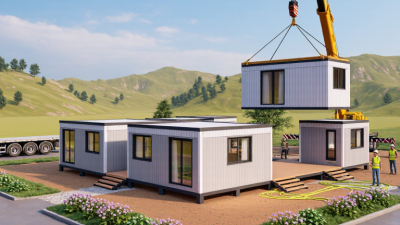
Mobility depends on the structure, chassis, connection points, and local transport rules. Some homes can move frequently, while others need specialist equipment and careful route planning. Buyers should inspect towing limits, foundation options, utility connections, fire resistance, and weather performance. A compact home near a snowy mountain needs different insulation from one in a humid coastal region. These details affect comfort, safety, and long-term maintenance.
The definition remains imperfect. A modular home may be transported in sections but stay permanently installed. A manufactured home may use a permanent chassis yet function like a full residence. Local authorities also classify similar buildings differently, affecting permits, taxes, insurance, and resale value. Reliable buyers should request structural drawings, material specifications, installation records, and independent inspections. They should also check how the home performs after several seasons, not only how it looks on delivery day. A low purchase price can hide transport, site preparation, foundation, and connection costs. The word “mobile” sounds simple. The ownership reality is not.