10 Best Affordable Container Homes for Sale Worldwide
Affordable Container Homes are changing how buyers think about compact, practical housing. Repurposed shipping containers can become bright studios, family cabins, guest houses, or remote workspaces. This guide explores ten affordable models available in different regions worldwide, with attention to design, materials, pricing, and delivery conditions.
Each home deserves closer inspection. A low advertised price may exclude land preparation, transport, foundations, plumbing, or local permits. Some models include insulation, electrical wiring, kitchens, and bathrooms, while others arrive as unfinished shells. Buyers should request detailed specifications, recent project photos, warranty terms, and a complete delivery estimate before paying a deposit.
Small details matter. A 40-foot container may offer about 320 square feet before interior finishing. Large windows can brighten the room, but they may increase heat gain in warm climates. Steel walls are strong, yet poor insulation can create condensation and uncomfortable temperatures. Regional building standards also differ, so qualified local professionals should review the design.
The selected homes reflect different budgets and lifestyles. Some prioritize rapid assembly. Others offer better insulation, flexible layouts, or attractive wood interiors. Not every option will suit every climate or family. That is the honest limitation.
Affordability is not only the purchase price. Long-term maintenance, energy use, transportation distance, and site access can change the final cost significantly. Readers should compare the complete project, not just the online listing. This overview aims to support careful decisions, while recognizing that real-world costs can remain uncertain.

What Defines an Affordable Container Home?
What Defines an Affordable Container Home?
An affordable container home is more than a low-priced steel box. Its real value depends on the complete, habitable package. Buyers should examine transport, land preparation, foundations, insulation, plumbing, electrical work, and interior finishes. These costs can exceed the advertised unit price. Look beyond the sticker price. A reliable seller should provide a clear quotation, material specifications, and realistic delivery conditions.
A suitable home needs safe insulation, controlled ventilation, moisture protection, and adequate natural light. Steel transfers heat quickly, so weak insulation can create uncomfortable rooms and higher energy bills. Inspect the container for corrosion, structural damage, and previous chemical use. Professional inspection matters, especially when modifications involve doors, windows, or load-bearing sections. Local building requirements also influence design, permits, utility connections, and fire safety.
Affordability should include long-term performance. Durable flooring, accessible repairs, efficient fixtures, and weather-resistant coatings may cost more initially. They can reduce maintenance later. Costs vary locally. A cheap estimate can mislead. I would also question vague promises about “turnkey” delivery, because that phrase may exclude foundations or utility connections. Careful buyers compare total installed costs, warranty terms, construction experience, and independent inspection results. The best option is not always the smallest or cheapest model. It is a legally compliant home that remains comfortable, repairable, and financially manageable over time.
How the Ten Homes Were Selected and Compared
To select the ten most affordable container homes, I compared more than the advertised purchase price. Each home was reviewed for floor area, construction materials, insulation, utilities, and delivery requirements. I also checked whether the listed price included windows, plumbing, kitchen fittings, and basic electrical work. Several listings did not explain these details clearly.
I recorded estimated costs in the same currency, then adjusted them for transport, foundation work, local taxes, and site preparation. A compact 20-foot design may look inexpensive, but a long-distance delivery can change the final cost significantly. Homes with stronger insulation ranked higher in colder regions. In warmer climates, shading, ventilation, and roof design mattered more. Building permits and local safety rules were treated as essential checks, not optional extras.
The comparison also considered practical living experience. I examined storage space, natural light, bathroom access, and the placement of doors and windows. Small details matter. A narrow kitchen can become frustrating every day. However, the available information was not always complete, so some cost estimates remain approximate. I may have weighted transport expenses too heavily in remote areas. Future comparisons should include verified contractor quotes, regional energy data, and a longer record of maintenance performance.
Ten Affordable Container Homes Available Worldwide
Affordable container homes are now available in many regions, from coastal towns to inland rural areas. They often use one or two recycled steel units, creating compact studios, guest houses, or small family dwellings. Prices vary widely because transport, land preparation, insulation, plumbing, and local permits can change the final cost. A low purchase price does not always mean a low project cost.
Good designs include shaded windows, raised floors, moisture barriers, and reliable ventilation. In hot climates, reflective roofing and cross-breezes can reduce indoor heat. In cold regions, thick insulation and efficient heating become more important. Buyers should request structural drawings, material specifications, and clear installation schedules. A qualified local inspector can also check welding, corrosion, electrical work, and emergency exits.
The romantic image is incomplete. Steel can conduct heat quickly, and poorly sealed corners may collect condensation. Some homes look affordable online but exclude foundations, delivery, kitchen fittings, or utility connections. That gap deserves attention. Before ordering, compare at least three written quotations and confirm planning requirements with the relevant authority. A smaller layout may reduce costs, yet limited storage can become frustrating after several months. Flexible furniture, built-in shelving, and a covered outdoor area can improve daily comfort without expanding the structure.
10 Best Affordable Container Homes for Sale Worldwide - Ten Affordable Container Homes Available Worldwide
Prices are indicative market ranges for prefabricated container-home units and generally exclude land, foundations, utility connections, permits, interior upgrades, taxes, and international shipping. Actual pricing and availability vary by location, building regulations, specification, and transport distance.
Key Features, Costs, and Regional Availability
10 Best Affordable Container Homes for Sale Worldwide
Affordable container homes usually cost about $25,000 to $120,000 before land, permits, utility connections, and transport. A basic one-bedroom unit may use a 20-foot container, while larger homes combine two or three units. Prices rise with insulation, glazing, plumbing, and local labor. In North America and Australia, certified prefabricated units are easier to source, but delivery and crane fees can be substantial. Southeast Asia often offers lower fabrication costs, although quality control varies. European buyers should check thermal performance and planning rules carefully. The estimate is useful, but never exact.
Key features include corrosion treatment, reinforced openings, vapor control, efficient ventilation, and high-performance insulation. UNEP’s 2023 Global Status Report states that buildings produced 37% of global energy and process-related emissions in 2022. Better insulation and shaded windows can reduce cooling demand, especially in hot regions. The International Code Council’s model codes also emphasize structural, fire, energy, and moisture requirements. A container is strong. It is not automatically a safe home.
Tips: Request a line-by-line quotation. Confirm whether foundations, taxes, appliances, and site work are included. Ask for steel inspection records and insulation specifications. Visit a completed unit, if possible. Tiny floor plans can feel cramped after wardrobes, beds, and mechanical equipment arrive. Regional availability changes quickly, and imported units may face port delays. One overlooked issue remains common: buyers budget for the house, but forget the ground beneath it.
10 Best Affordable Container Homes for Sale Worldwide
Indicative entry-level purchase prices for compact, finished container homes, shown in USD. Estimates exclude land, delivery, site preparation, permits, utility connections, and local taxes.
How to read the chart: Southeast Asian and Latin American markets generally offer the lowest starting prices, while Canada, Australia, and Western Europe tend to cost more because of labor, insulation, transport, and regulatory requirements.
What to Check Before Buying a Container Home
10 Best Affordable Container Homes for Sale Worldwide: What to Check Before Buying
A low price does not guarantee a safe container home. Before paying, confirm local planning permission, land ownership, utility access, and foundation requirements. Rules differ sharply between countries and rural districts. Ask for stamped structural drawings, not attractive renderings. Modified containers may need reinforcement around doors and windows. A qualified engineer should inspect welds, corner posts, and visible corrosion.
Measure the interior carefully. Standard shipping containers follow ISO 668 dimensions, but insulation reduces usable space. Check the roof, floor, seals, ventilation, and condensation control. The Global Status Report for Buildings and Construction 2023 reports that buildings use about 34% of global energy and create 37% of energy-related and process emissions. Better insulation, shading, and efficient heating can reduce operating costs. However, thin wall systems may perform poorly in cold or humid climates. Test the details.
Request a complete cost sheet. Include transport, crane hire, foundations, plumbing, electrical work, permits, taxes, and future maintenance. A professional inspection should also check previous cargo contamination, even when documentation looks clean. Ask for fire separation details and certified electrical components. Insurance may be difficult without clear compliance records. The International Code Council’s 2021 building provisions emphasize structural, fire, and egress safety for habitable buildings. That matters more than glossy photographs. I would keep a repair budget, because initial estimates are often too optimistic. Some homes look affordable until the site work begins.

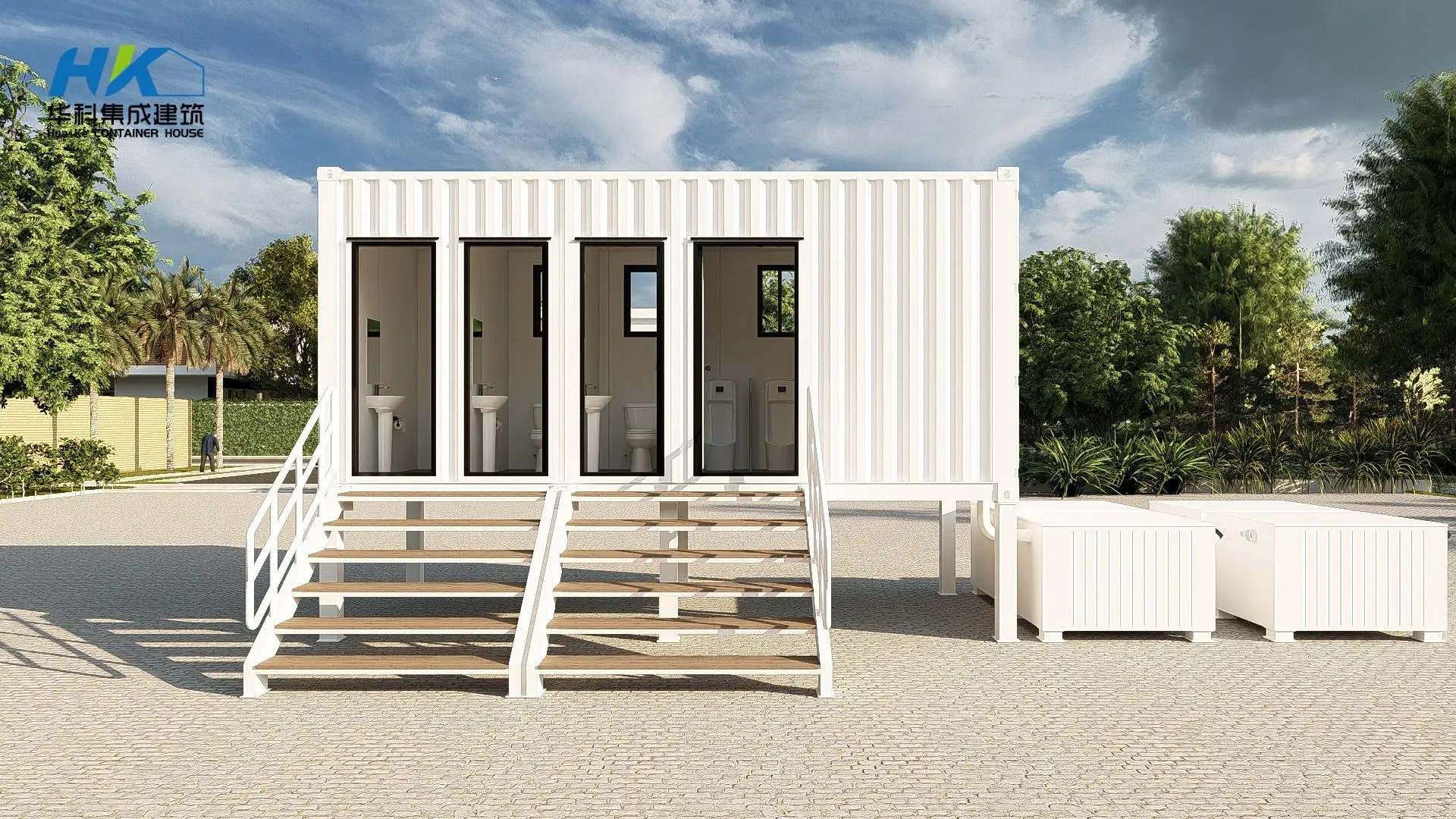 Contianer Toilet