Top Building Materials to Source in 2026 for Global Buyers?
As the global construction industry evolves, sourcing the right building materials becomes crucial for buyers. In 2026, the landscape of building materials will undergo significant transformations. Increased demand for sustainable options and innovative technologies will shape buyers' decisions. Understanding emerging trends in building materials is essential.
Buyers must stay updated on advancements in products. For instance, materials that enhance energy efficiency will be in high demand. Many contractors are shifting towards eco-friendly options. This reflects a growing awareness of environmental impact. However, challenges remain. Not all traditional suppliers adapt quickly to these changes.
International markets will also influence material sourcing. Variations in regulations and standards can create obstacles. Buyers need reliable information to navigate this complexity. By focusing on quality and sustainability, buyers can ensure better project outcomes. In an ever-changing environment, thoughtful consideration of building materials will define success in 2026.
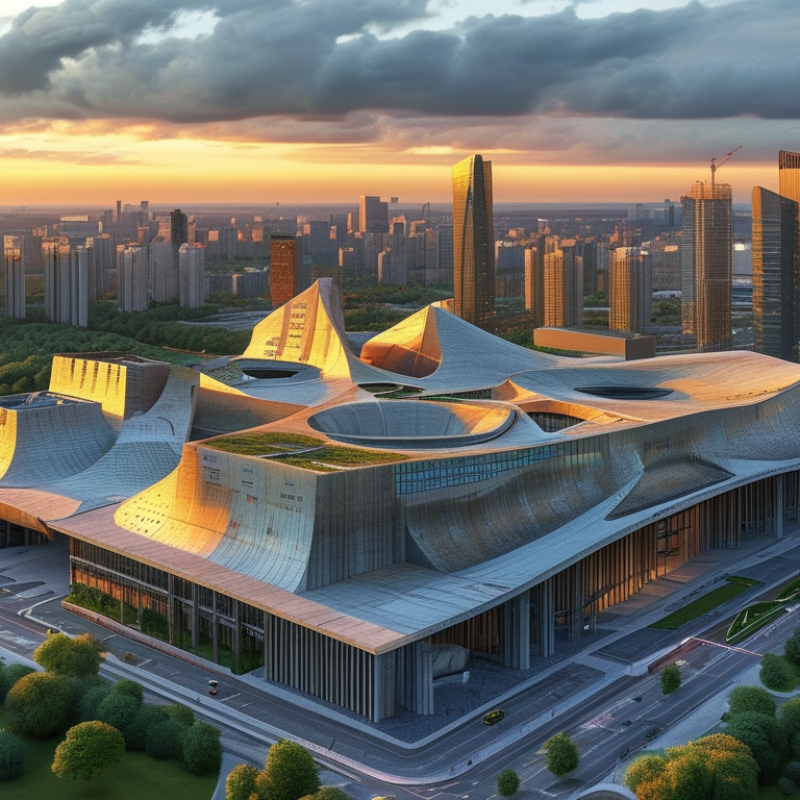
Emerging Trends in Building Materials for 2026
As we look ahead to 2026, several emerging trends in building materials are set to reshape the industry.
Sustainability is at the forefront. Buyers are increasingly interested in eco-friendly alternatives that reduce environmental impact.
Recycled materials, such as reclaimed wood and repurposed metals, are gaining traction. These materials not only minimize waste but also add unique aesthetics to construction projects.
Another notable trend is modular construction. It promotes efficiency and speed in building projects. Prefabricated elements can streamline the construction process significantly. This method can also result in less on-site waste. However, there are challenges too. Ensuring consistent quality of prefabricated units can be tricky.
Moreover, smart materials are on the rise. They adapt to environmental conditions and enhance energy efficiency. For instance, thermochromic windows change opacity with temperature changes. This technology promises reduced energy costs. But, comprehensive understanding is essential before large-scale adoption. There remains a need to evaluate longevity and maintenance extensively.
Sustainable Materials: Eco-Friendly Choices for Construction
As we approach 2026, the construction industry is increasingly prioritizing sustainable materials. Eco-friendly choices are not just a trend; they are becoming essential for building practices. These materials help reduce environmental impact and offer durability and efficiency.
Recycled metals, for example, are gaining traction. They reduce waste and energy consumption during production. Bamboo is another exemplary material; it grows quickly and requires minimal resources. These choices reflect a commitment to sustainability while providing high-performance solutions.
Tips: When sourcing materials, consider their lifecycle. Investigate their origins and production methods. Sustainable certifications can guide you toward reliable options. Always assess the actual benefits versus perceived ones. Not all eco-friendly products perform equally; research thoroughly to make informed decisions.
Innovative Technologies Shaping the Future of Building Supplies
The building materials industry is evolving rapidly due to innovative technologies. Automation and robotics are becoming more common. These advancements can increase efficiency and reduce costs in construction projects. Builders can now complete tasks faster and with higher precision. However, reliance on machines could lead to a skills gap among workers. The challenge is to balance technology with human expertise.
3D printing is another game-changer in building supplies. It allows for creating complex structures that traditional methods cannot achieve. Sustainable materials can be produced with minimal waste. This method also speeds up the construction process significantly. Yet, regulators still need to catch up with these technologies. Developers may face hurdles when trying to implement 3D printing in various regions.
Smart materials are on the rise as well. These materials can adapt to their environment, improving energy efficiency. For example, they can change properties based on temperature or humidity. While promising, smart materials bring complexities in understanding their long-term behavior. Buyers need to stay informed about the latest research in this field. Embracing innovation is essential, but caution is necessary.
Key Players in the Global Building Materials Market
The global building materials market is poised for significant growth. A report by Grand View Research estimates that the market will reach USD 1.4 trillion by 2026. This projection highlights the increasing demand for sustainable and innovative products. Market players must adapt to these trends to remain competitive.
Key players in this industry include manufacturers from various segments, such as concrete, steel, and wood products. The driving forces behind their success include advanced manufacturing processes and a focus on sustainability. For instance, companies are investing heavily in eco-friendly materials. This shift reflects the growing consumer preference for green building practices. According to a McKinsey study, building materials with a lower carbon footprint can enhance a project’s value by up to 20%.
However, challenges persist. Supply chain disruptions and fluctuating raw material prices create uncertainty. For example, the pandemic exposed vulnerabilities in sourcing and logistics. Firms must navigate these challenges while incorporating innovative technologies. They must also engage with local communities to align their products with regional needs.
Regional Insights: Sourcing Strategies for Global Buyers in 2026
In 2026, global buyers must adapt their sourcing strategies to align with regional trends. Each region offers unique materials influenced by local resources and construction methods. For instance, in North America, sustainable materials are gaining traction. Buyers are increasingly turning to recycled steel and eco-friendly insulation options to meet environmental standards. This shift reflects a growing demand for green solutions in construction.
In Asia, buyers need to consider rapid urbanization. Countries like India and China are expanding their cities dramatically. This surge creates a need for affordable, durable building materials like prefabricated concrete. Adapting to local tastes is crucial. In Japan, traditional wood construction remains vital, with innovative treatments enhancing durability.
Sourcing strategies must also account for logistics and supply chain complexities. Disruptions can occur due to political tensions or natural disasters. Buyers should establish relationships with local suppliers while diversifying their sources. This approach fosters resilience in procurement. However, relying solely on local suppliers may limit material diversity. Exploring global options is essential, yet it introduces complexities that need careful management.
Top Building Materials to Source in 2026 for Global Buyers - Regional Insights
| Region |
Material Type |
Sourcing Strategies |
Projected Demand (2026) |
| North America |
Sustainable Timber |
Local Sourcing and Certification |
High |
| Europe |
Recycled Steel |
Partnerships with Local Recyclers |
Moderate |
| Asia |
Smart Glass |
Innovation and Technology Investments |
High |
| Latin America |
Bamboo |
Community-Based Sourcing |
Increasing |
| Africa |
Cement Alternatives |
Research and Development |
Growing |

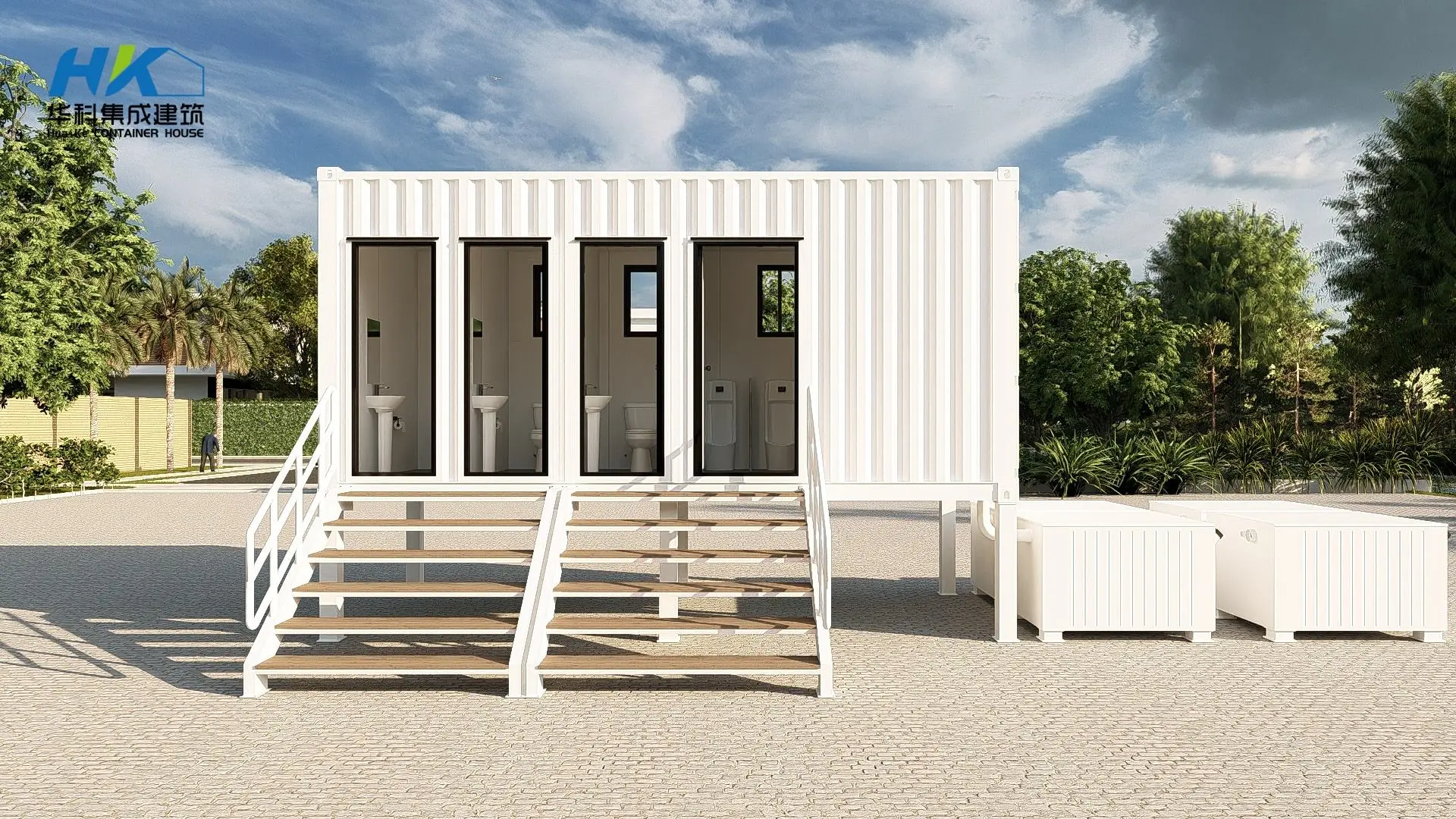 Contianer Toilet