What is a Swimming Pool and How Does It Work?
A swimming pool is more than just a hole in the ground filled with water. It serves as a space for recreation, exercise, and relaxation. Understanding how a swimming pool works requires a look into its components and circulation systems. The water in a pool undergoes filtration and chemical treatment to maintain cleanliness and safety.
Many people enjoy the benefits of a swimming pool, yet they often overlook maintenance needs. Chemical balance is crucial. Improperly maintained pools can lead to health issues. Pool owners must regularly check water quality and ensure proper sanitation.
While swimming pools can bring joy, they also demand responsibility. Safety measures, such as fencing and alarms, should never be ignored. Reflecting on these aspects can deepen one’s appreciation for pools. Ultimately, a swimming pool represents both pleasure and commitment.
Definition and Types of Swimming Pools
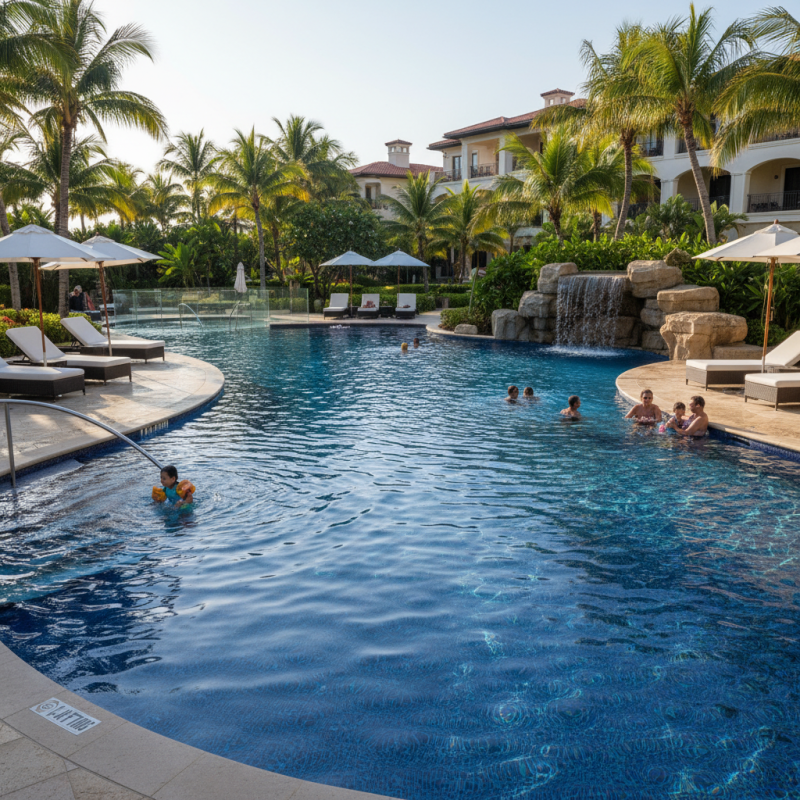
Swimming pools come in various types, each designed for specific purposes and preferences. In-ground pools, often made of concrete, fiberglass, or vinyl, provide a permanent solution for backyard leisure. These pools can be customized in shape and size, allowing homeowners to express their creativity. Above-ground pools, on the other hand, offer a more temporary or cost-effective option. They are easier to install and can be taken down in cooler months.
Another popular type is the infinity pool. This design creates the illusion of water extending into the horizon. Often seen in luxury resorts, infinity pools have become a symbol of relaxation and beauty. However, maintenance can be challenging, as they require precise water balancing and regular care.
Natural pools are also gaining traction. Designed to mimic a natural pond, these pools use plants for filtration and purification. While they promote sustainability, not all homeowners are familiar with the upkeep required for such ecosystems. Awareness and education are key to making informed decisions about pool types. Each option has its unique charm, but potential owners should consider their lifestyle, maintenance capabilities, and budget before diving in.
Types of Swimming Pools and Their Popularity
Components of a Swimming Pool
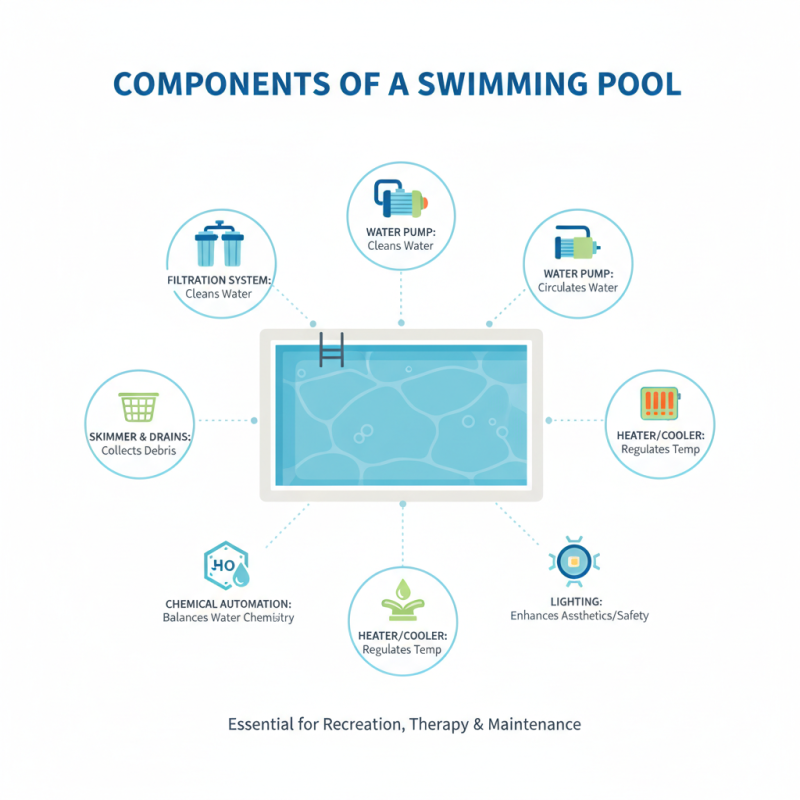
A swimming pool is an outdoor or indoor structure filled with water. It serves recreational, therapeutic, and aesthetic purposes. Understanding its components is essential for maintenance and usage.
The main components of a swimming pool include the pool shell, filtration system, pump, and skimmer. The pool shell can be made from different materials, such as concrete or fiberglass. Each material has its pros and cons. For example, concrete offers durability but can be more challenging to maintain.
Water circulation is crucial. The pump circulates water through the filtration system, keeping it clean. A skimmer removes debris from the surface. Regularly check these components to ensure they are functioning well.
**Tip:** Always keep an eye on water chemistry. Balanced water prevents algae growth. Adjust pH and chlorine levels as needed.
Pay attention to the pool deck and surrounding areas as well. Cracks can form over time, leading to potential safety hazards. Regular inspections help you spot early signs of wear and tear.
**Tip:** Invest in pool covers. They can reduce debris accumulation and help maintain temperature.
How a Swimming Pool System Works
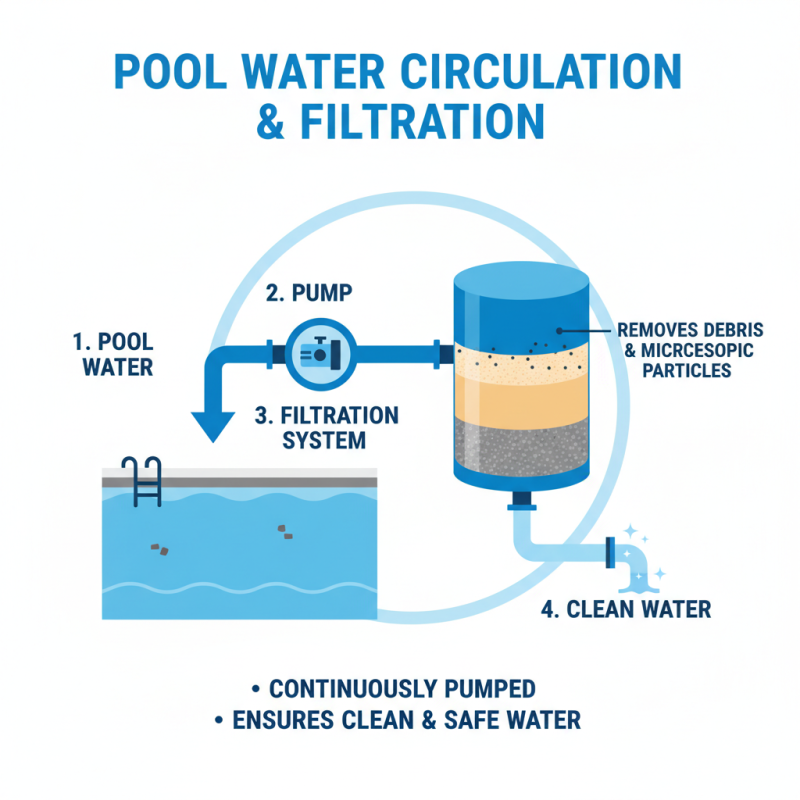
A swimming pool system consists of several key components that ensure clean and safe water. The water circulation process begins with the pump. It draws water from the pool, pushing it through the filtration system. This helps remove debris and contaminants. Filtration can be sand-based, cartridge-type, or diatomaceous earth. Each method has its advantages and disadvantages.
After filtration, water is treated with chemicals to maintain proper acidity and sanitation. Chlorine is commonly used to kill bacteria. However, balancing the chemicals requires attention. Over-chlorination can lead to skin irritation. Regular testing of water quality is essential for health and safety.
Additionally, the heating system, if present, warms the water for comfort. Not all pools have heaters. This means swimming might be less enjoyable in colder temperatures. Pool owners often overlook the importance of maintaining these systems. Regular maintenance can prevent larger issues, saving money in the long run. Each component plays a vital role in ensuring a pleasurable swimming experience.
Water Circulation and Filtration Processes
Water circulation in a swimming pool is essential for maintaining cleanliness and hygiene. The water is continuously pumped through a filtration system. This process removes debris and contaminants, ensuring a safe environment for swimmers. Filtration is not just about removing visible dirt. It also captures microscopic particles that can affect water quality.
The filtration system typically includes a pump, filter, and often a heater. The pump circulates water from the pool to the filter. The filter plays a crucial role. It can be sand, cartridge, or diatomaceous earth, each with its own benefits. However, occasionally filters can clog or wear out. Regular maintenance is vital for efficiency.
It’s important to monitor chemical levels too. Imbalanced chemicals can lead to algae growth despite proper filtration. Swimmers may assume clean water is free from issues. Yet, without proper circulation and filtration, problems can quickly arise. Reflecting on pool maintenance habits can lead to better practices and increased awareness of water quality.
Maintenance and Safety Considerations for Swimming Pools
Maintaining a swimming pool requires diligent effort and regular attention. Regular cleaning is essential to keep the water clear. Leaves, dirt, and debris can quickly turn a pristine pool into a murky mess. Invest in a good skimmer and vacuum to make this task easier. Skimming the surface daily is a small effort for big returns in cleanliness.
Chemicals play a critical role in water quality. pH levels need monitoring to ensure safe swimming conditions. Too high or too low can cause skin irritation. Chlorine helps eliminate germs but must be balanced with other chemicals. It’s easy to overlook, yet vital for safety. Educate yourself about these requirements or consult a professional.
Safety cannot be overlooked. Ensure proper fencing is in place to prevent unauthorized access, especially by children. Having safety equipment on hand, like flotation devices, is a wise choice. Regular inspections for sharp edges and pool covers can prevent accidents. Pool safety is a continuous process, and vigilance is key. It’s easy to slip into complacency, yet each season brings new responsibilities.

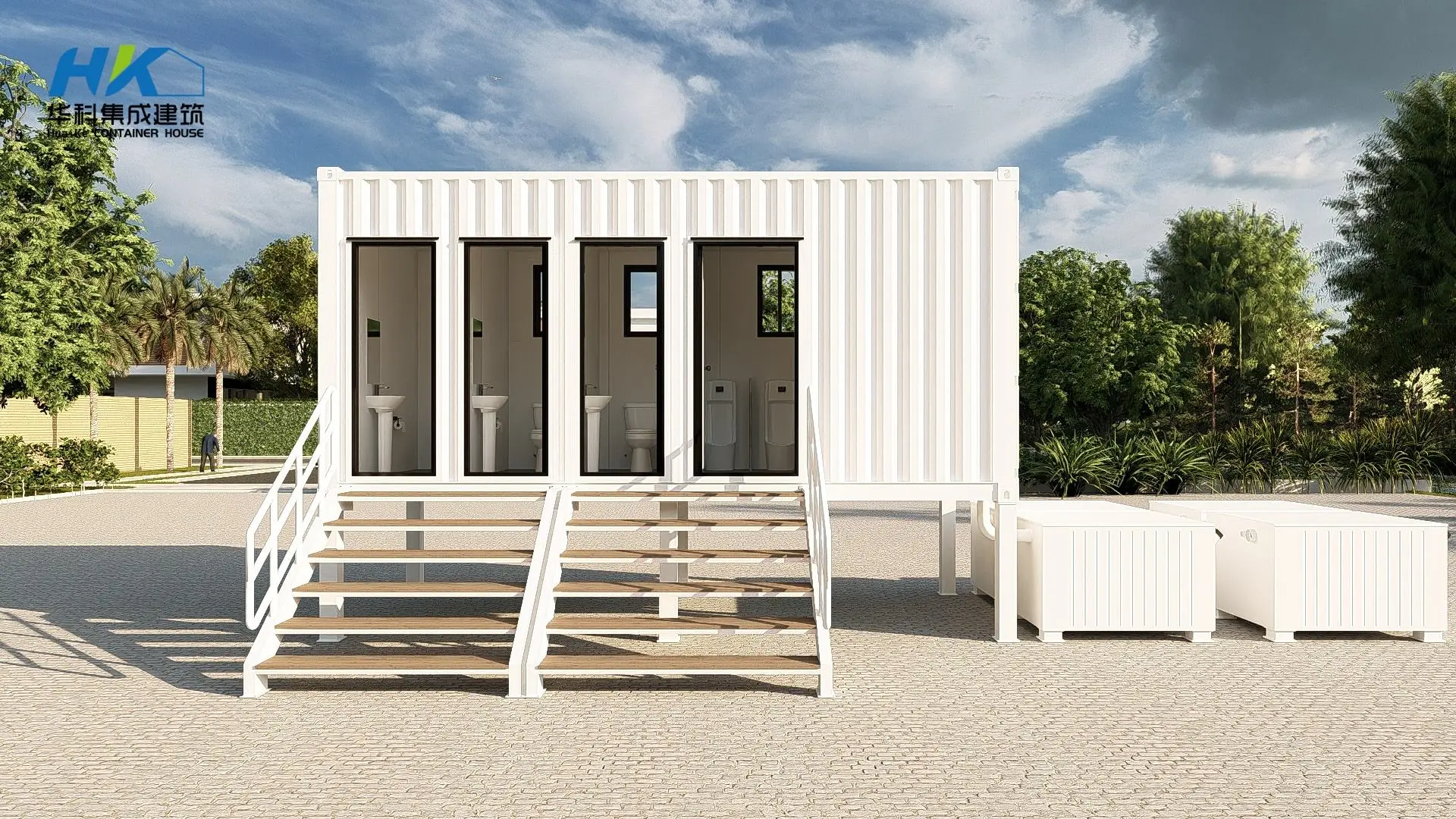 Contianer Toilet