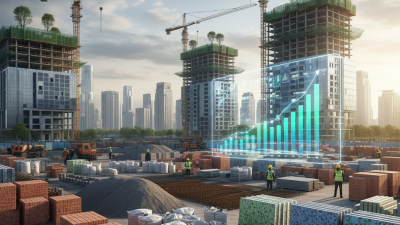
Top Building Material Trends for Global Buyers in 2026?
As the building material industry evolves, global buyers must stay informed about emerging trends. In 2026, sustainable practices and innovative designs will shape this market. Experts like Dr. Emily Anderson, a leading authority in building materials, emphasize, "Sustainability and technology are no longer optional; they are essential in modern construction."
The demand for eco-friendly materials grows. Buyers are more conscious of their choices. They seek products that minimize environmental impact. This shift will require manufacturers to adapt quickly and offer greener alternatives. Technologies such as recycled materials and energy-efficient designs will rise in popularity.
However, challenges remain. Not all builders prioritize sustainability equally. Some may still prefer traditional, less sustainable options. This creates a disconnect that needs to be addressed. As the conversation around building materials continues, industry players must reflect on their strategies and responses to these trends. This understanding will drive future decisions in an increasingly competitive landscape.

Emerging Sustainable Materials in the Global Construction Industry
The global construction industry is witnessing a transformative shift towards sustainable materials. As 2026 approaches, buyers are increasingly interested in eco-friendly options. Innovations in biodegradable composites are making waves. These materials break down naturally, reducing waste and pollution.
Another emerging trend involves the use of recycled materials. Steel and concrete can now be repurposed effectively. Recycled plastics are also gaining traction. They reduce the demand for new resources. However, challenges remain. Ensuring the quality and durability of these materials is crucial. Some buyers may hesitate to adopt them due to performance concerns.
Sustainable timber is another noteworthy option. It comes from responsibly managed forests. This helps to minimize deforestation and promote biodiversity. Yet, the sourcing process must be transparent. Without proper verification, buyers risk supporting unsustainable practices. Understanding these complexities is essential for any investment in sustainable construction materials.
Top Building Material Trends for Global Buyers in 2026
| Material Type |
Sustainability Rating |
Cost per Unit ($) |
Market Growth (%) |
Key Properties |
| Recycled Steel |
A+ |
800 |
12 |
High strength, Durable |
| Bamboo |
A |
250 |
20 |
Lightweight, Fast-growing |
| Hempcrete |
A+ |
150 |
15 |
Insulating, Carbon negative |
| Recycled Concrete |
B+ |
100 |
10 |
Cost-effective, Good durability |
| Mycelium |
A |
300 |
25 |
Biodegradable, Lightweight |
Innovative Technologies Shaping Building Material Production
Innovative technologies are set to transform building material production by 2026. Advancements in automation are reshaping manufacturing processes. Robotics can handle repetitive tasks with precision, increasing efficiency and reducing costs. These machines are also adapting to operate in various conditions, ensuring consistent quality across production lines.
Sustainable practices are gaining traction. New materials derived from waste products are becoming popular. These alternatives not only lower environmental impact but also challenge traditional materials. For instance, bio-based composites are addressing both durability and sustainability. The integration of these materials often encounters skepticism, leading to discussions on their long-term viability.
Digital tools are enhancing design processes. Building Information Modeling (BIM) allows architects to visualize projects before construction starts. This technology minimizes design flaws but requires significant investment in training. Many companies struggle to balance innovation with the existing skills of their workforce. As the industry progresses, adapting to these technologies will be essential for long-term success.
Key Market Drivers Influencing Material Trends in 2026
As we look toward 2026, the building materials market is poised for significant changes. Increased urbanization is a key driver. Cities are growing rapidly, leading to a surge in demand for sustainable materials. Buyers are prioritizing eco-friendly options. This shift is not only vital for the planet but also influences purchasing decisions.
Technological advancements play a crucial role as well. Innovations in production processes make materials more efficient and durable. Buyers are keen on exploring these newer options. However, this also raises questions about the balance between cost and sustainability. It's a complex challenge. Many buyers may face dilemmas when choosing materials.
Market regulations are tightening globally. Stricter environmental laws push manufacturers to adapt quickly. Compliance with these regulations becomes essential. Still, some companies may struggle with this transition. Ongoing education in material science is necessary for buyers to navigate these evolving trends effectively. It’s a learning curve that requires attention and dedication.
Impact of Urbanization on Global Building Material Demand
Urbanization is rapidly transforming cities worldwide. As populations grow, the demand for building materials is increasing. Urban areas are expanding, drawing more people into concentrated spaces. This shift creates unique challenges and opportunities for suppliers and manufacturers of building materials.
Construction companies must adapt their strategies. Sustainable materials are becoming essential. Traditional materials may not meet the modern demands of eco-friendliness or adaptability. Trends show a rise in recycled and locally sourced options. Buyers are looking for innovations that reduce the carbon footprint.
**Tips:** Opt for materials that enhance energy efficiency. Incorporate smart building technologies for better resource management. Keep an eye on local regulations, as they may influence available material choices.
As cities evolve, so do design preferences. Buyers must be aware of cultural influences on building materials. What works in one region may not suit another. Flexibility and diversity in options are crucial. The ability to adapt to various local contexts can truly elevate a project. Understanding these nuances is key to success in the global market.
Regulatory Changes and Their Effects on Material Selection
Regulatory changes significantly influence material selection in construction. In 2026, global buyers will navigate stringent guidelines promoting sustainable practices. New regulations may limit carbon-heavy materials. This shift encourages innovation, pushing manufacturers towards eco-friendly alternatives. Builders must adapt swiftly to comply with evolving standards.
Understanding local regulations is crucial. Buyers should assess how these laws affect material costs and availability. Engaging with local authorities can provide clarity on compliance requirements. Adopting a proactive approach ensures timely project completion.
**Tip:** Stay informed about regional regulations. Join industry forums to exchange insights with peers about compliance strategies.
Additionally, consider the lifecycle impacts of building materials. Regulatory measures favor products that promise durability and reduced environmental impact. This emphasis on sustainability can reshape market dynamics. Builders might face challenges in sourcing viable options.
**Tip:** Conduct regular audits of materials used. This can help identify areas needing improvement and compliance with new laws.
Top Building Material Trends for Global Buyers in 2026
This chart illustrates the projected preferences for different building materials among global buyers in 2026. As sustainability becomes a key focus, sustainable materials lead with 35%, followed by smart materials and recycled materials. These trends reflect the regulatory changes and growing environmental concerns influencing material selection in the construction industry.

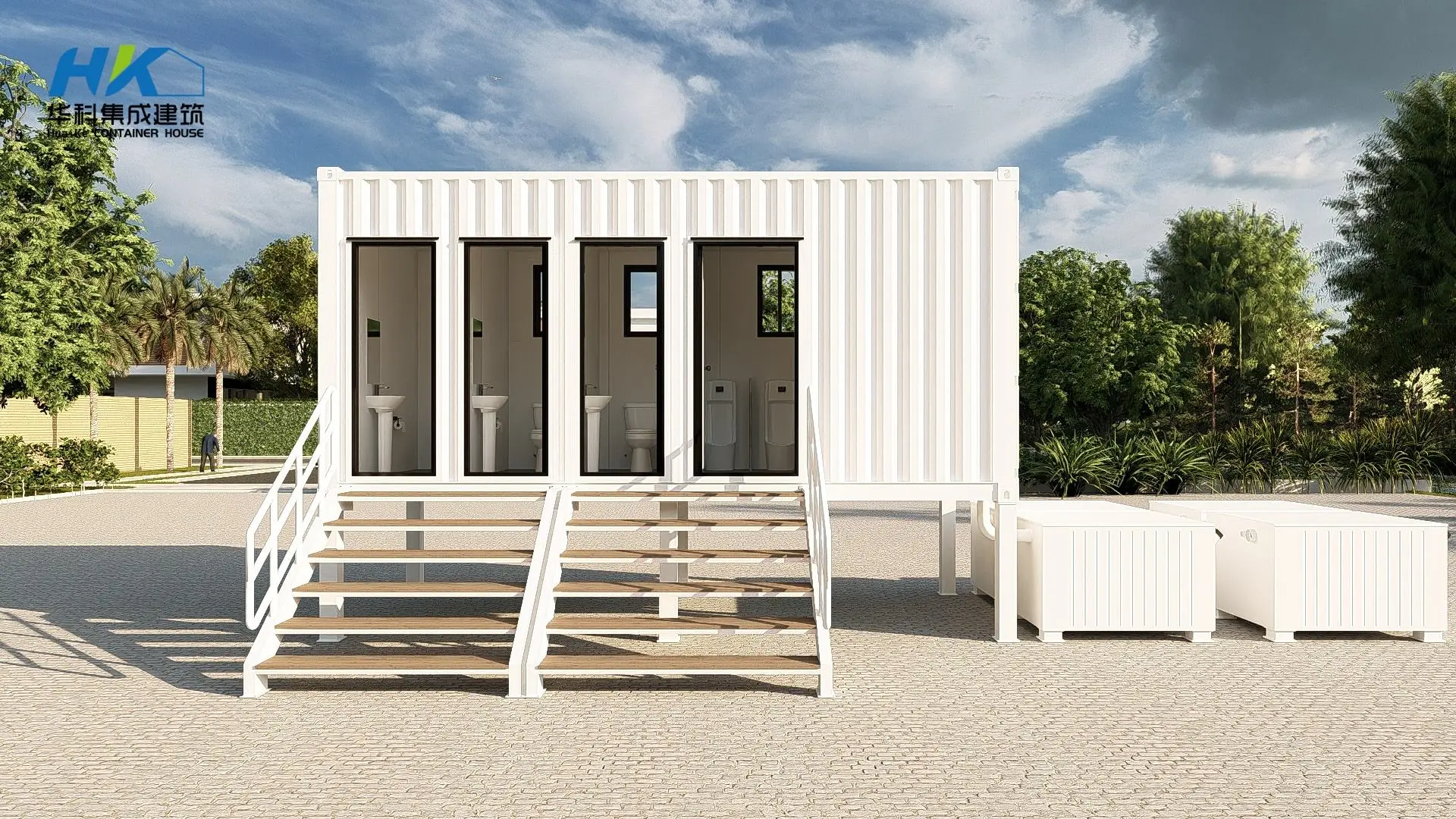 Contianer Toilet