2026 Best Swimming Pool Designs for Global Buyers?
In 2026, the world of swimming pool design is set to evolve. Buyers are seeking unique, vibrant designs that reflect personal style. The modern swimming pool is more than just a place to swim; it’s a lifestyle statement.
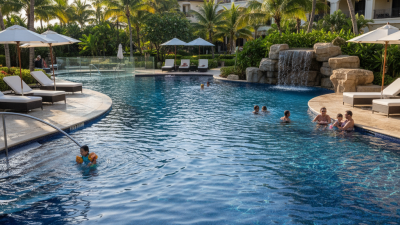
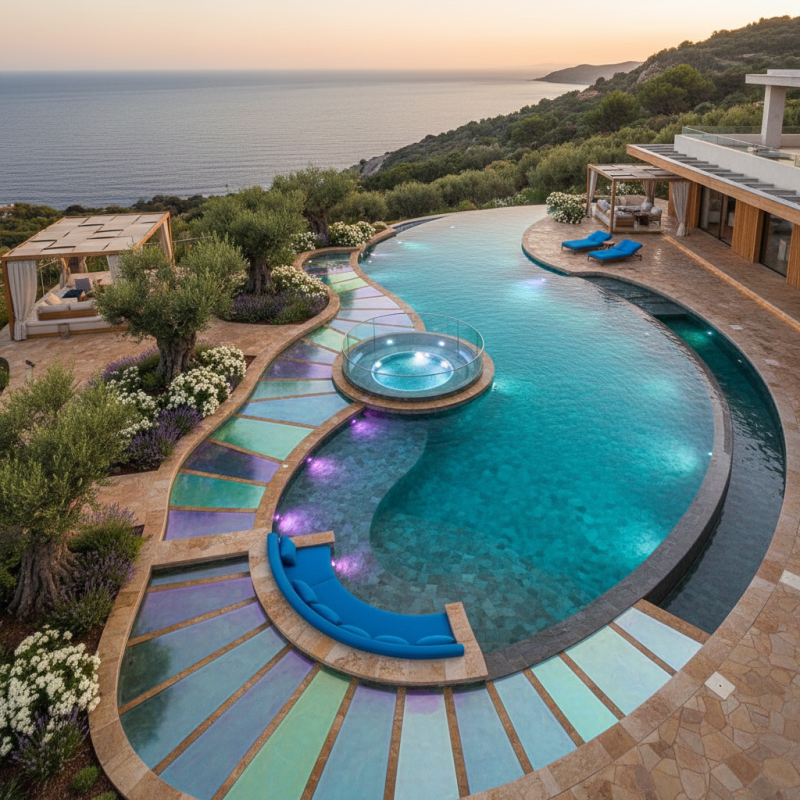
Imagine a pool that seamlessly integrates with the landscape. Stunning infinity edges give a sense of endlessness. Mixed materials like natural stone and glass provide texture and elegance. These features enhance outdoor living spaces, making them more inviting. Yet, not all designs will suit every buyer. Each region's climate plays a significant role. Some designs may struggle in certain environments, leading to maintenance issues.
As trends emerge, consider how functionality plays a part. A swimming pool should provide relaxation and entertainment. However, unrealistic expectations can lead to dissatisfaction. Balance is key in achieving a design that meets both aesthetic demands and practical needs. This exploration of swimming pool designs caters to diverse global buyers. Together, we’ll uncover what makes a swimming pool truly exceptional.
2026 Trends in Swimming Pool Design for Global Buyers
The swimming pool design landscape is evolving in 2026. One standout trend is integrating
natural elements. Many designs now feature
lush landscaping, stones, and water features. These additions create a
serene oasis. Homeowners seek to immerse themselves
in a tranquil environment.
Another trend gaining traction is smart technology. Pools equipped with
automated systems enhance convenience. Users can control temperature and lighting with their smartphones. However,
this technology can lead to complex maintenance issues. Homeowners must educate themselves on
operation and troubleshooting to avoid pitfalls.
Sustainability is also at the forefront. Eco-friendly materials
and water-saving features are increasingly popular. Designs often include solar heating
and efficient filtration systems. These choices reflect a growing awareness of environmental impact. Yet, the initial
investment can deter some buyers. Balancing cost and sustainability remains a challenge for many.
Innovative Material Choices for Modern Swimming Pools
When designing modern swimming pools, materials play a crucial role. Homeowners increasingly seek innovative options that blend aesthetics and functionality. Unique materials can transform a simple pool into an inviting oasis. Concrete, for instance, offers flexibility in design but requires careful planning to ensure durability and maintenance.
Natural stone can create a luxurious look, yet it demands proper sealing to withstand outdoor elements.
Another interesting trend is the use of glass tiles. These vibrant tiles reflect light beautifully, enhancing the pool's visual appeal. However, glass can be slippery, posing potential safety concerns. Homeowners should weigh these factors when selecting materials. Sustainability is also front and center. Recycled materials are gaining popularity, offering eco-friendly choices that don't compromise on style.
While exploring these options, it’s essential to consider installation complexity. Some innovative materials may require specialized skills, increasing costs and time. Furthermore, not all materials perform the same in different climates. Researching these aspects thoroughly is vital for long-term satisfaction. Homeowners should remain mindful that the perfect material often depends on personal priorities and local conditions.
Sustainable Features in Pool Designs for Eco-Conscious Consumers
In 2026, swimming pool designs are taking a major turn towards sustainability. Eco-conscious consumers seek features that reduce environmental impact. Energy-efficient pumps, solar heating, and natural filtration systems are becoming essential. These innovations not only conserve resources but also lower long-term costs.
Water conservation is another critical aspect. Pools equipped with advanced covers minimize evaporation. Rainwater collection systems enable responsible water use. An increasing number of buyers value permeable materials, which promote groundwater recharge and reduce runoff. By incorporating such elements, pool owners can enjoy luxury while being kind to the planet.
However, achieving sustainability in pool design isn't always straightforward. Consumers may face challenges in sourcing materials or understanding the technology involved. Not all designs are perfect, and some may require ongoing maintenance to remain eco-efficient. This balance between aesthetics and functionality is vital. Swimming pools can be beautiful, yet they should reflect a commitment to the environment.
Popular Shapes and Sizes of Swimming Pools in 2026
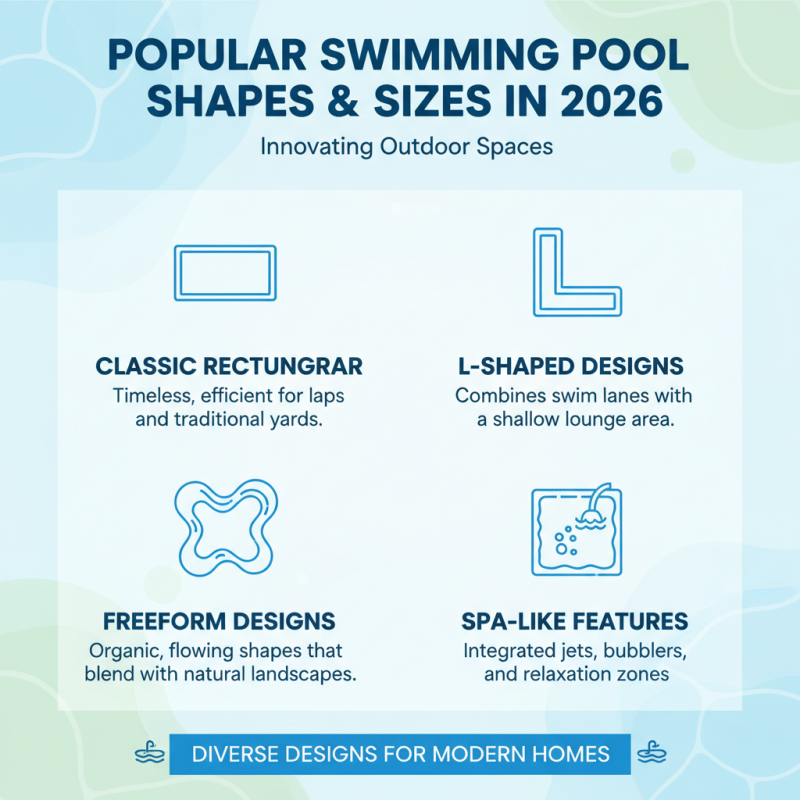
In 2026, swimming pool designs are becoming increasingly diverse. Buyers now prefer unique shapes and sizes that fit their outdoor spaces. The classic rectangular pools are still popular, but many are exploring innovative layouts. For example, L-shaped and freeform designs enhance aesthetics and functionality. These pools often include spa-like features, encouraging relaxation.
Small plunge pools are trending as well. These compact units cater to urban homes where space is limited. They can provide a refreshing escape without overwhelming a backyard. However, the maintenance can be challenging, requiring careful planning. Homeowners must consider landscaping, pool covers, and heating solutions.
Additionally, the integration of natural elements is gaining traction. Pools surrounded by greenery create a soothing atmosphere. Yet, balancing water feature maintenance with natural landscaping demands effort. Buyers should reflect on their lifestyle and commitment to upkeep. This awareness can lead to smarter design choices.
Enhancing Outdoor Spaces: Landscape Integration with Pool Designs
Integrating swimming pools into outdoor landscapes can significantly enhance a home's aesthetics. Thoughtful designs blend pools seamlessly with gardens and terraces, creating harmonious spaces. The key lies in choosing the right materials and shapes that complement the existing environment. Organic lines often work better than rigid, geometric forms. This approach allows nature and architecture to resonate together.
When planning these setups, consider how the pool interacts with surrounding elements. Use native plants that thrive in local climates. This not only reduces maintenance but also fosters biodiversity. Add features like stone pathways or wooden decking to highlight natural textures. However, it's essential to reflect on personal tastes. Overly extravagant designs may clash with minimalist surroundings. Prioritize functionality as well; a pool should be inviting, not just visually appealing.
It's easy to overlook factors like privacy and shade. Tall hedges or strategically placed trees can offer solace from the sun. Still, they might obstruct views, requiring compromise. Factors such as climate and usage must influence decisions. Ultimately, creating a balance between luxury and usability is an ongoing journey. An outdoor space should evolve with its owners, adapting to changing needs over time.
2026 Best Swimming Pool Designs - Data Visualization

 Contianer Toilet