Top Swimming Pool Trends for 2026 That Buyers Should Know?
As we look ahead to 2026, the world of swimming pools is evolving rapidly. Homeowners are increasingly seeking innovative designs and technologies that enhance their outdoor spaces. The swimming pool is no longer just a place to cool off; it’s becoming a centerpiece for relaxation and entertainment.
Recent trends indicate a shift towards eco-friendly materials and smart technologies. Buyers are drawn to features such as energy-efficient heaters and automated cleaning systems. These advancements not only simplify maintenance but also reduce long-term costs. Moreover, aesthetics play a crucial role in pool design. Buyers want unique shapes and stunning finishes that reflect their personal style.
Yet, with these exciting changes come challenges. There’s a need for thorough research before making a purchase. Buyers should consider costs, installation processes, and ongoing maintenance. Pool ownership demands commitment and responsibility. Understanding these factors is essential for anyone looking to invest wisely in a swimming pool.

Emerging Design Styles for Modern Swimming Pools in 2026
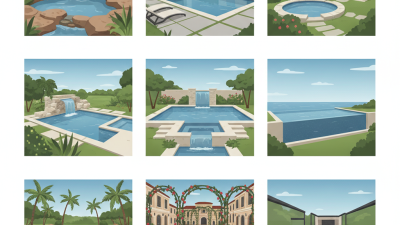
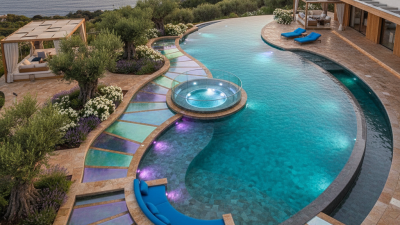
As we approach 2026, swimming pool design is undergoing a transformative shift. Emerging styles reflect not only aesthetics but also a deeper connection to nature. Biophilic design is gaining traction, incorporating natural materials and greenery into pool areas. Imagine pools that blend seamlessly with gardens, featuring stone and wood elements. These designs create a tranquil oasis for relaxation.
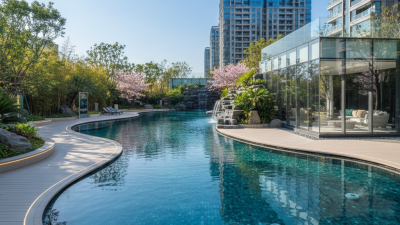
Energy-efficient pools are also trending. Homeowners increasingly seek sustainability in their choices. Solar heating and advanced filtration systems minimize energy use and reduce environmental impact. Even the shapes of pools are evolving; organic forms are replacing rigid rectangles. Curvy, freeform designs encourage a more playful approach to outdoor living.
While these trends are exciting, potential buyers should consider maintenance and costs. Natural materials can require more upkeep. Likewise, eco-friendly systems might necessitate an initial investment. Balancing these aspects with personal preferences is crucial for a successful pool project. Design should evoke joy, while also serving practical desires.
Top Swimming Pool Trends for 2026 That Buyers Should Know
| Trend |
Description |
Projected Popularity (%) |
Design Style |
| Smart Pools |
Integration of smart technology for control of temperature, lighting, and cleaning. |
85 |
Modern |
| Natural Pools |
Swimming pools that use natural filtration systems and integrate with the landscape. |
75 |
Eco-friendly |
| Infinity Edges |
Pools designed with edges that seem to disappear into the horizon. |
70 |
Luxury |
| Geometric Shapes |
Stylish pools featuring angular designs and sharp lines. |
65 |
Contemporary |
| Sustainable Materials |
Use of recycled and eco-friendly materials in pool construction. |
80 |
Green Design |
Innovative Pool Technology Advancements to Enhance User Experience
The future of swimming pools is rapidly evolving, driven by innovative technology advancements. By 2026, one of the most significant trends will be the integration of smart technology. According to a recent report by the Pool & Spa Association, around 78% of new installations will feature smart automation systems. These systems allow homeowners to control lighting, temperature, and cleaning schedules from their smartphones. This not only enhances user convenience but also optimizes energy consumption.
Another trend is the rise of eco-friendly materials and practices. Studies indicate that over 60% of consumers prioritize sustainability when building or renovating pools. Energy-efficient pumps and solar heating systems are gaining popularity. These technologies reduce environmental impact and long-term operational costs. However, there is a learning curve with the installation and maintenance of these advanced systems, which can deter some pool owners from fully embracing these changes.
Additionally, augmented reality (AR) is entering the pool design space. Homeowners can visualize their projects through AR apps, getting a better sense of scale and design before any work begins. While this offers a clearer perspective, the mismatch between digital representations and physical outcomes can lead to disappointment. A balance between technology and tangible craftsmanship is essential for achieving the best results.
Sustainable Features in Pool Design: Eco-Friendly Trends to Adopt
Sustainable pool design is trending in 2026. Homebuyers are increasingly looking for eco-friendly features in swimming pools. According to recent industry reports, nearly 60% of potential pool buyers prioritize sustainability. This shift is reshaping how pools are built and maintained.
Water efficiency is a key concern. Many modern pools now feature advanced filtration systems. These systems reduce water waste and enhance cleanliness. Energy-efficient pumps are another critical component. They consume up to 70% less energy than traditional models. Homeowners can save on utility bills while being environmentally responsible.
Natural materials are gaining popularity, too. Stone, wood, and plant life contribute to eco-friendly aesthetics. Biophilic design principles integrate nature into the pool’s surroundings. Moreover, solar heating is becoming standard. Systems utilizing the sun can significantly cut energy costs. However, some still hesitate to invest in these technologies, concerned about initial expenses. As demand increases, innovative designs will likely offer more budget-friendly options.
Smart Pool Management Systems: The Future of Pool Maintenance
Smart Pool Management Systems are reshaping the future of pool maintenance. Understanding these trends is critical for buyers. According to a report by the Pool and Hot Tub Alliance, nearly 70% of pool owners seek automation features in their pools. This reflects a growing preference for systems that simplify upkeep.
These smart systems utilize advanced technologies. They allow users to monitor water quality remotely. Many offer features like automatic cleaning and temperature control. A recent study indicated that homes with smart pools can see a 30% reduction in maintenance costs. Such efficiency appeals to both luxury buyers and environmentally-conscious homeowners.
However, the transition to smart management systems isn’t without challenges. Users may face a steep learning curve. Not all systems integrate seamlessly with existing pool setups. While the technology promises convenience, it often requires professional installation. This added complexity could deter some potential buyers. Ultimately, the aim of these innovations is to blend ease with effective maintenance. Yet, as the technology evolves, so too must consumer adaptability.
Increasing Popularity of Multi-Functional Pool Spaces for Leisure Activities
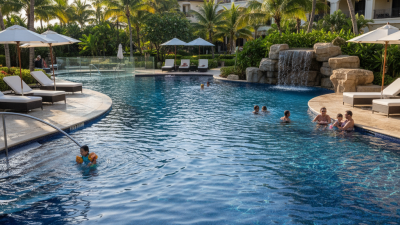
As we approach 2026, the design of swimming pools is changing dramatically. Buyers are increasingly looking for multi-functional pool spaces. These areas serve not just for swimming but for various leisure activities. Imagine a pool that doubles as an entertainment hub, equipped with features like swim-up bars, integrated seating, and even outdoor kitchens. This trend taps into a desire for outdoor living that extends beyond traditional uses.
Creating a multi-functional pool requires careful planning. It's essential to balance aesthetics with practicality. Features like integrated lighting and water features enhance the space while providing ambiance. However, with all these enhancements, maintenance becomes a crucial factor. Buyers need to reflect on how these amenities will affect upkeep. Will the added features complicate cleaning? Will they require specialized care?
Ultimately, a well-designed multi-functional pool can transform any backyard into a personal retreat. It offers a place for relaxation during the day and social gatherings at night. This growing trend reflects a shift in lifestyle, where home spaces cater to diverse activities. Pool buyers are now focused on investing in spaces that enrich their leisure time and create lasting memories.

 Contianer Toilet