China Best Building Material for Global Buyers in 2026?
In the rapidly evolving global economy, the demand for high-quality building materials continues to surge. According to the Global Building Materials Market report, the industry is projected to reach approximately $1.2 trillion by 2026. Emerging markets, particularly in Asia, are driving this growth, making them vital for global suppliers. China, as a leading manufacturer, plays a critical role in this landscape.
Chinese building materials are favored for their affordability and quality. A report from the International Construction Market indicates that Chinese exports of these materials have increased by 15% annually. These statistics highlight China's significance in shaping global trends. However, challenges persist. Quality control issues and varying standards can sometimes hinder its reputation.
As buyers look for reliable partners, understanding the market dynamics is key. In 2026, the emphasis will be on sustainability and innovation in building materials. Awareness of these factors will empower buyers to make informed choices. Ultimately, while China remains a major player, ongoing adjustments will be necessary to meet evolving global demands.

China's Dominance in the Global Building Materials Market by 2026
By 2026, China's influence in the global building materials market is set to expand significantly. Recent industry reports suggest that Chinese manufacturers will control over 40% of the global market share. This dominance stems from several factors, including innovation, cost efficiency, and robust production capabilities. The sheer volume of materials sourced from China, including steel, cement, and timber, is projected to surge. This shift may challenge traditional suppliers worldwide.
With the rise of green building practices, China's commitment to sustainable materials is increasingly important. The country has invested heavily in eco-friendly technologies. According to the International Building Materials Association, the demand for sustainable materials is expected to grow by 25% in the next few years. Chinese firms are leading this initiative, integrating sustainability into their supply chains. However, reliability and quality issues sometimes arise, creating potential hurdles for international buyers.
The competitive landscape is changing. Buyers need to carefully assess their options. While cost savings can be attractive, the importance of quality cannot be overlooked. Reports indicate that 15% of imported materials from China face quality concerns. This compels global buyers to prioritize thorough inspections and certifications. Engaging in transparent communication is crucial in minimizing risks. As the landscape evolves, the need for vigilance and due diligence will remain a significant aspect of international business practices in the building sector.
Forecasted Growth Rates of China's Building Material Exports to Global Markets
China has become a vital player in the global building materials market. By 2026, exports are set to grow significantly due to rising demand. Countries across various continents are increasingly seeking reliable sources for construction materials. China’s advancements in technology and production efficiency have positioned it well to meet this demand.
Projected growth rates for China's building material exports indicate a robust market ahead. Analysts suggest that innovative products will lead the charge. Sustainable materials are becoming a priority for buyers. This shift toward eco-friendly solutions is essential. With increased investment in research and development, China can enhance its offerings. However, challenges remain. Balancing quality and cost is crucial. Some regions still face hurdles in logistics and supply chains.
The potential for growth is promising. Yet, it also calls for introspection. Areas like regulatory compliance and environmental impact require attention. China must ensure that production standards are upheld. Quality control is vital for maintaining a strong international reputation. As the global market evolves, so too must China's strategies. Adaptation and resilience will play key roles in future success.
China's Building Material Exports Growth Forecast (2026)
This bar chart represents the forecasted growth rates of various building materials exported from China to global markets in 2026. As shown, wood and steel are expected to experience the highest growth rates, reflecting increasing demand across multiple sectors.
Analysis of Sustainable Building Materials from China for Global Buyers
Sustainable building materials from China are gaining global interest. Many buyers recognize the potential of these materials in construction. They offer innovative solutions for eco-friendly projects. Bamboo, for instance, is light yet strong. It grows quickly and absorbs carbon, making it a great choice.
A focus on recycled materials is prevalent. Recycled steel and concrete are slowly changing the industry. They help reduce waste and lower energy costs. However, not all suppliers prioritize quality control. This raises concerns about consistency in performance and safety. It is important for buyers to vet suppliers carefully.
Finally, transparency is crucial. Many Chinese manufacturers are working towards clearer communication regarding sourcing and production practices. Yet, some still lack proper certifications. Buyers must ask for documentation. This step ensures that the materials meet global standards. Educating oneself about these practices can lead to better purchasing decisions.
Impact of China's Technological Innovations on Building Material Quality
China's building materials have significantly evolved over the years. Technological innovations are at the heart of this transformation. These advancements not only enhance material quality but also improve sustainability. New production methods reduce waste during manufacturing, addressing environmental concerns.
The introduction of smart materials is noteworthy. These materials can adapt to their environment, which increases energy efficiency in buildings. However, challenges arise in ensuring consistency and reliability. For instance, technology-dependent materials may fail under extreme conditions. This raises questions about their long-term viability.
Moreover, China's rapid innovation cycle can lead to oversaturated markets. Buyers must navigate a landscape filled with options. It is crucial to evaluate the durability and performance of these innovations carefully. While advancements offer significant benefits, a cautious approach is essential to avoid potential pitfalls.
China Best Building Material for Global Buyers in 2026? - Impact of China's Technological Innovations on Building Material Quality
| Material Type |
Quality Rating |
Technological Innovation |
Sustainability Index |
Market Demand Growth (%) |
| Concrete |
9.1 |
Smart Concrete Technologies |
85 |
12 |
| Steel |
8.8 |
High-Strength Alloys |
75 |
10 |
| Wood |
8.5 |
Engineered Wood Products |
90 |
8 |
| Glass |
9.3 |
Smart Glass Technology |
80 |
15 |
| Brick |
8.0 |
Eco-Friendly Materials |
78 |
7 |
Key Trends Driving Demand for Chinese Building Materials in 2026
As global construction projects expand, the demand for building materials from China is anticipated to surge. In 2026, several key trends will drive this demand. A notable trend is the increasing focus on sustainability. Buyers are looking for eco-friendly materials that align with green building certifications. Many suppliers in China are working towards reducing their environmental impact. This shift presents opportunities for innovation and collaboration.
Additionally, the rise of smart buildings is reshaping material requirements. Technologies integrated into construction demand specialized components. These needs create a unique market space for Chinese manufacturers to showcase their advancements. Global buyers are eager to source smart materials that enhance functionality and efficiency. This shift requires companies to adapt quickly to changing demands.
When considering sourcing materials, focus on quality assurance. Evaluate suppliers' certifications and practices to ensure reliability. Building a long-term relationship with manufacturers can also enhance communication and supply chain efficiency. Engage in research to identify the latest innovations that align with your project's goals. The landscape is evolving, and buyers must stay informed to make effective decisions.

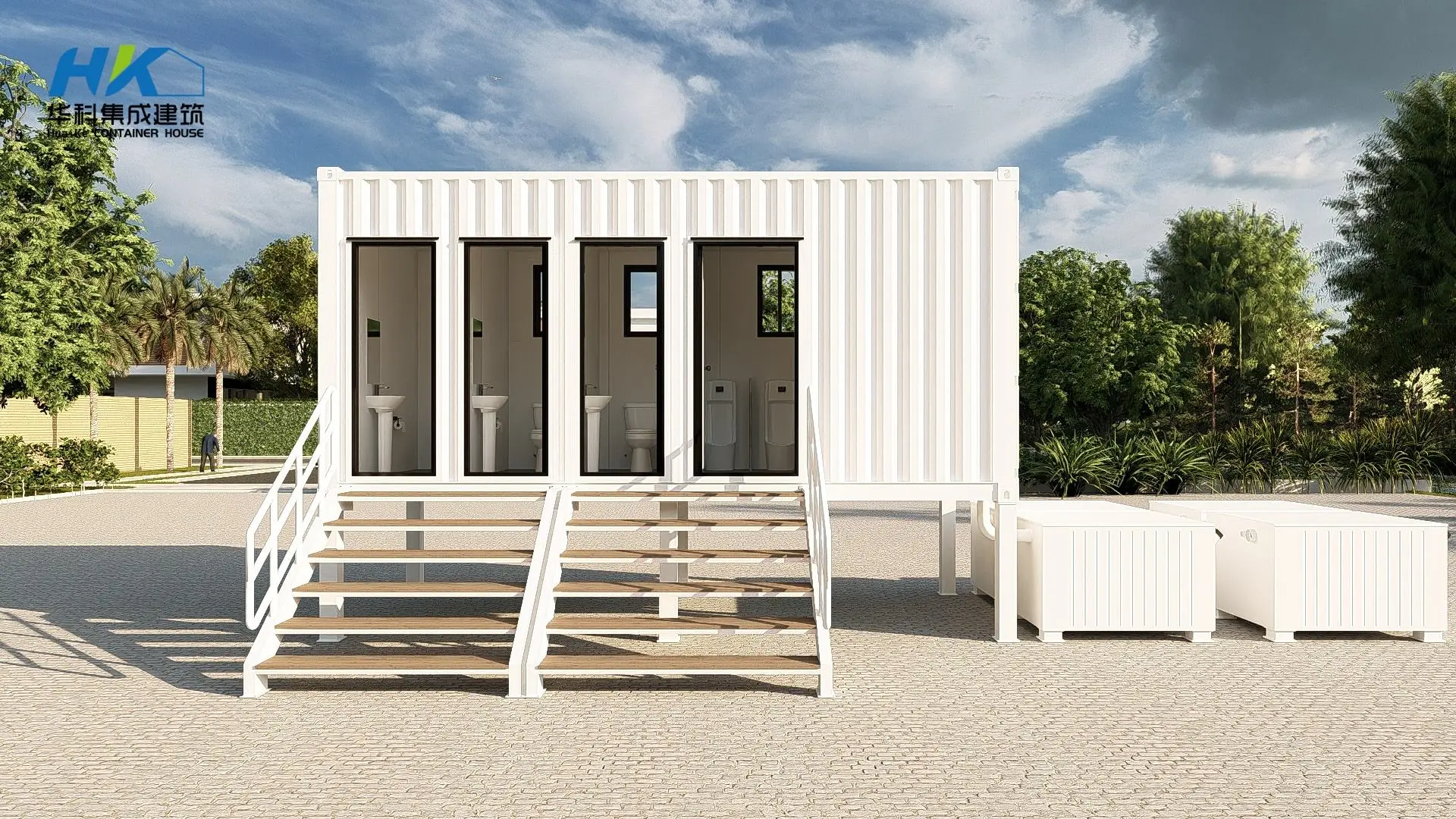 Contianer Toilet