2026 Best Modular House Designs for Sustainable Living?
As we look towards the future, the concept of sustainable living becomes ever more vital. Modular houses are gaining attention for their innovative designs and eco-friendly features. "Modular houses provide flexibility and reduce waste," says Mark Robinson, a leading expert in the modular housing industry. This sentiment is echoed throughout the growing community of architects and builders.
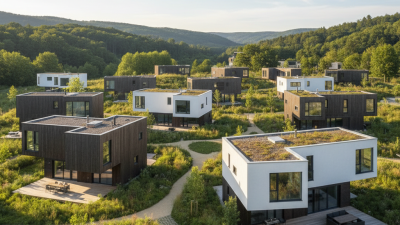
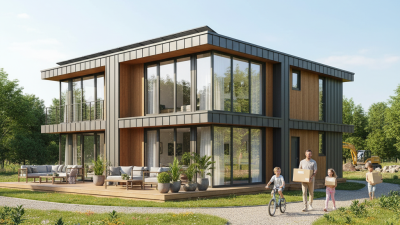
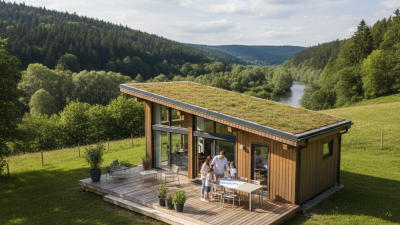
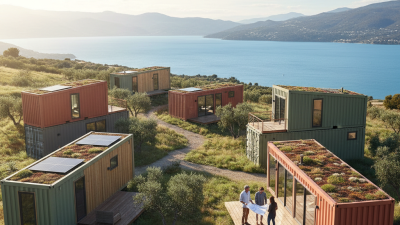
The 2026 best modular house designs reflect a trend towards sustainability without sacrificing aesthetics or functionality. These homes are not just about efficiency; they also prioritize the well-being of their occupants. Detailed designs often include smart technology, energy-efficient materials, and integrated green spaces. Each modular house tells a unique story, highlighting individuality and environmental responsibility.
However, challenges remain. While modular construction can minimize costs and waste, not all designs are accessible or adaptable for various needs. The industry must continually reassess its approach to ensure inclusivity. Striking a balance between innovation and practicality is crucial. The journey toward sustainable modular housing is filled with potential, yet it requires ongoing reflection and improvement.
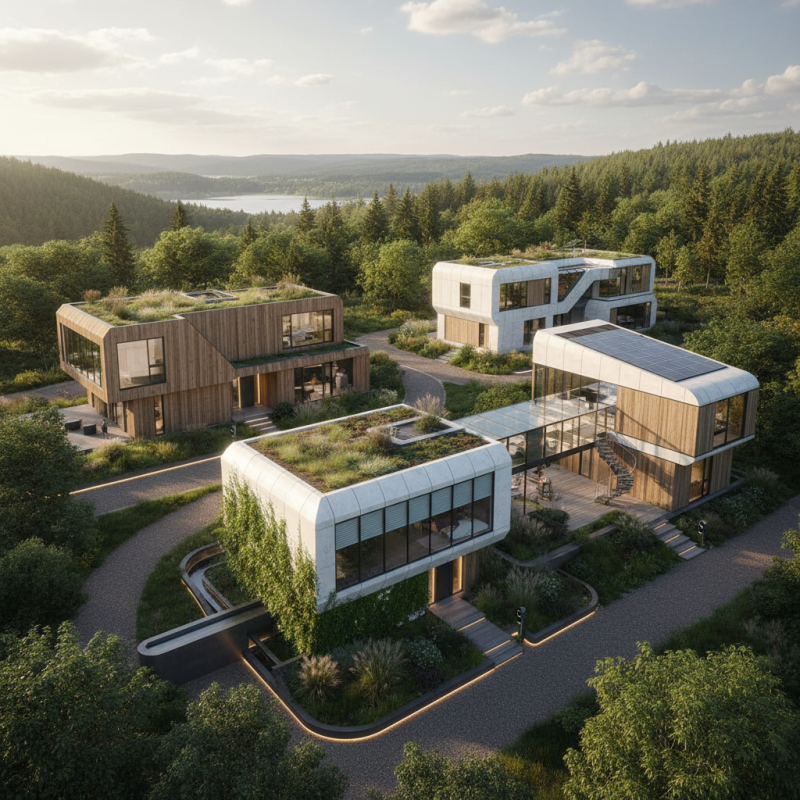
2026 Trends in Modular House Designs for Eco-Friendly Living
The trend of modular house designs for sustainable living is gaining momentum in 2026. Eco-friendly features lead the way, including energy-efficient systems and renewable materials. Recent industry reports indicate a 35% increase in the use of recycled materials and sustainable sourcing practices among modular builders. These houses often utilize solar panels and green roofs, contributing to significant energy savings.
Water conservation is another focus area. Many designs incorporate rainwater harvesting systems and low-flow fixtures. A study from the Sustainable Housing Initiative noted that homes with these features can reduce water usage by up to 50%. However, challenges remain. The initial costs of adopting these technologies can deter some builders and homeowners.
Smart technology integration plays a key role. Homeowners are now looking for systems that optimize energy use. Data suggests that homes equipped with smart grids can improve energy efficiency by 20%. Yet, there is a gap in consumer awareness about these benefits. Many potential buyers are hesitant to adopt new technologies, which may hinder fully realized sustainable living.
2026 Best Modular House Designs for Sustainable Living
| Design Name |
Material Used |
Energy Efficiency Rating |
Square Footage |
Estimated Cost (USD) |
Key Feature |
| Eco Home 1 |
Recycled Steel |
A+ |
1200 |
$180,000 |
Solar Panels |
| Sustainable Haven |
Bamboo |
A |
1500 |
$220,000 |
Rainwater Harvesting |
| Green Living Space |
Structural Insulated Panels |
A++ |
1000 |
$150,000 |
Green Roof |
| Modular Retreat |
Reclaimed Wood |
B+ |
1300 |
$200,000 |
Off-Grid Capable |
| Eco-Friendly Nest |
Eco-Concrete |
A |
1100 |
$170,000 |
Smart Home Features |
Key Features of Sustainable Modular Houses: Materials and Efficiency
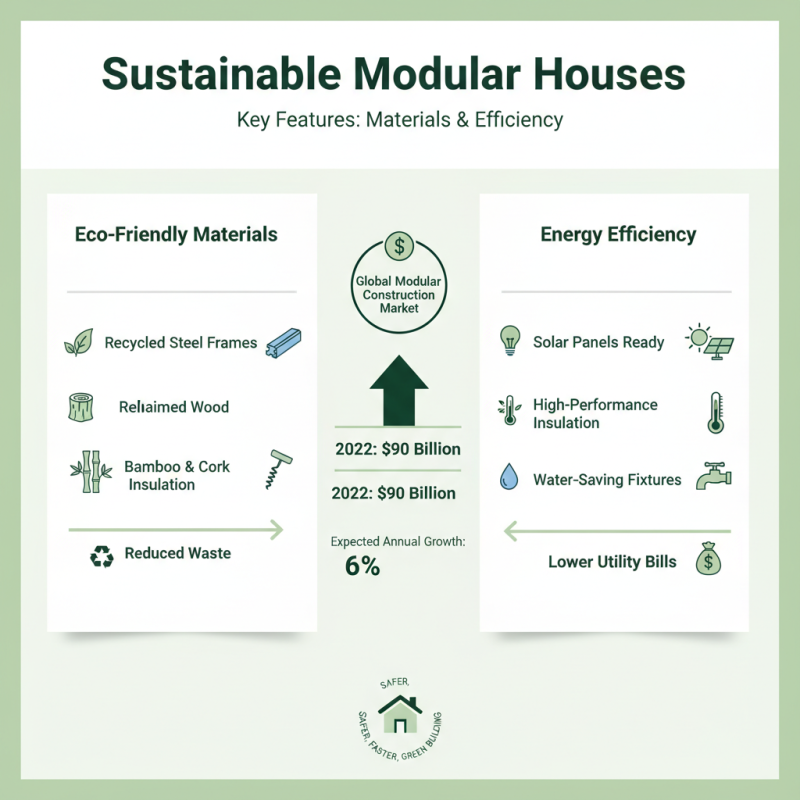
Sustainable modular houses emphasize efficiency and eco-friendly materials. In 2022, the global modular construction market was valued at approximately $90 billion, with expected growth of 6% annually. This rising trend reflects the demand for safer, faster, and green building solutions.
Key features of these designs include renewable materials. For instance, reclaimed wood and recycled steel are common choices. A study revealed that using recycled materials can reduce environmental impact by up to 30%. Energy efficiency is another focus. Many modular homes come equipped with solar panels and high-quality insulation. Such features can cut energy bills by nearly 50%. However, new homeowners might find the initial investment high, posing a challenge.
Water conservation is also critical. Rainwater harvesting systems can be integrated, promoting sustainable water use. Though these systems are effective, maintenance can be a concern. Homeowners need education on proper care. Lastly, sustainable modular houses aim for minimal waste during construction. Yet, some projects still generate excess debris. Attention to these imperfections is vital for continuous improvement in sustainable living.
Cost Analysis of Modular Homes vs. Traditional Housing Solutions
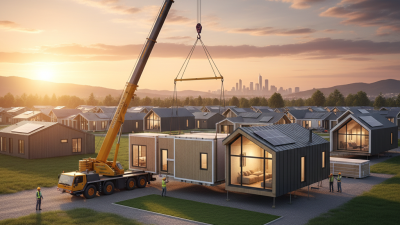
The conversation around housing is changing. Modular homes are gaining traction for their efficiency and sustainability. They are built off-site and then transported. This process reduces waste and energy consumption. It also allows for faster construction times compared to traditional homes.
When comparing costs, modular homes often start lower. They typically require less time to assemble. However, land costs, permits, and other factors can impact total expenses. Traditional housing might offer more customization but can lead to higher unexpected costs due to delays and labor issues. Many buyers appreciate the fixed-price model of modular homes, providing more financial clarity.
Some challenges exist with modular homes. Financing options may be limited, which raises concerns. Buyers might face restrictions on designs and local codes. Additionally, not all cities are familiar with modular building standards. These factors need careful consideration when exploring housing options.
2026 Cost Analysis: Modular Homes vs. Traditional Housing
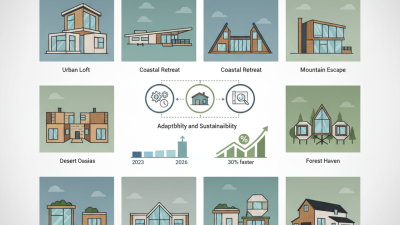
The chart above illustrates the average cost per square foot of Modular Homes compared to Traditional Housing solutions in 2026. Modular Homes are approximately 40% less expensive to build, making them an attractive option for sustainable living.
Future Innovations in Modular Housing: Sustainability and Design Integration
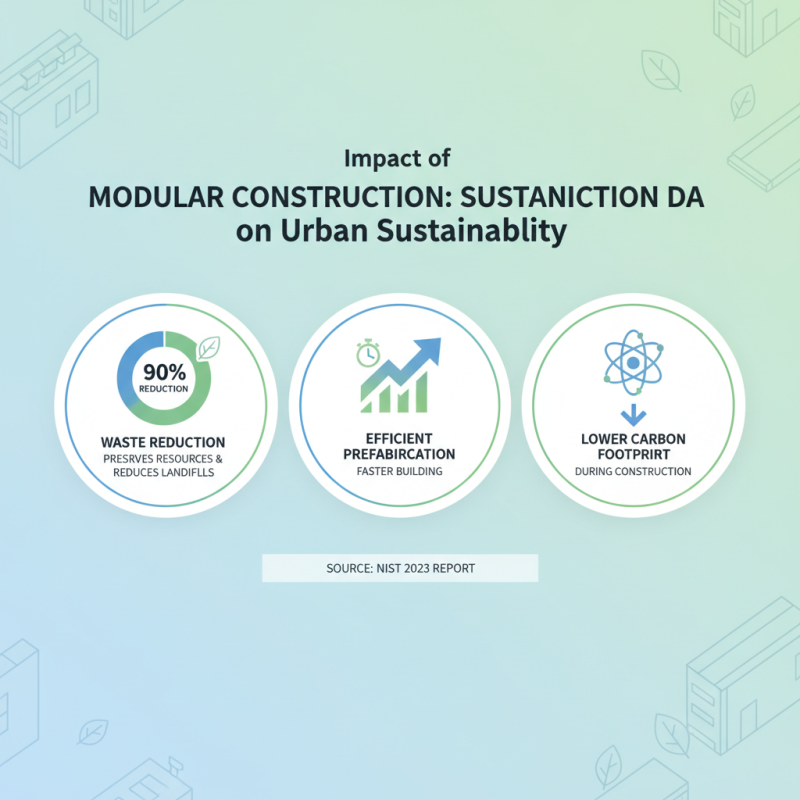
The evolution of modular housing significantly impacts sustainable living. According to the National Association of Home Builders, modular homes can reduce construction waste by up to 40%. This innovative approach allows for better resource management and lowers the carbon footprint associated with traditional building methods. Modular designs often use eco-friendly materials, optimizing energy efficiency and promoting sustainable practices.
Future innovations will integrate advanced technologies into these homes. Smart home systems can enhance energy conservation by optimizing energy usage in real time. For example, homes equipped with solar panels can be designed to utilize stored energy when demand peaks. However, while these technologies hold promise, there are challenges in accessibility and affordability for many homeowners.
The integration of sustainable materials raises critical questions. Not all eco-friendly materials are easily accessible or cost-effective. Industry reports indicate that while sustainable housing is on the rise, the upfront costs remain a barrier for some homeowners. Striking a balance between innovation and affordability is essential for broader adoption. As the industry progresses, continuous evaluation and reflection on these challenges will shape the future of modular housing.

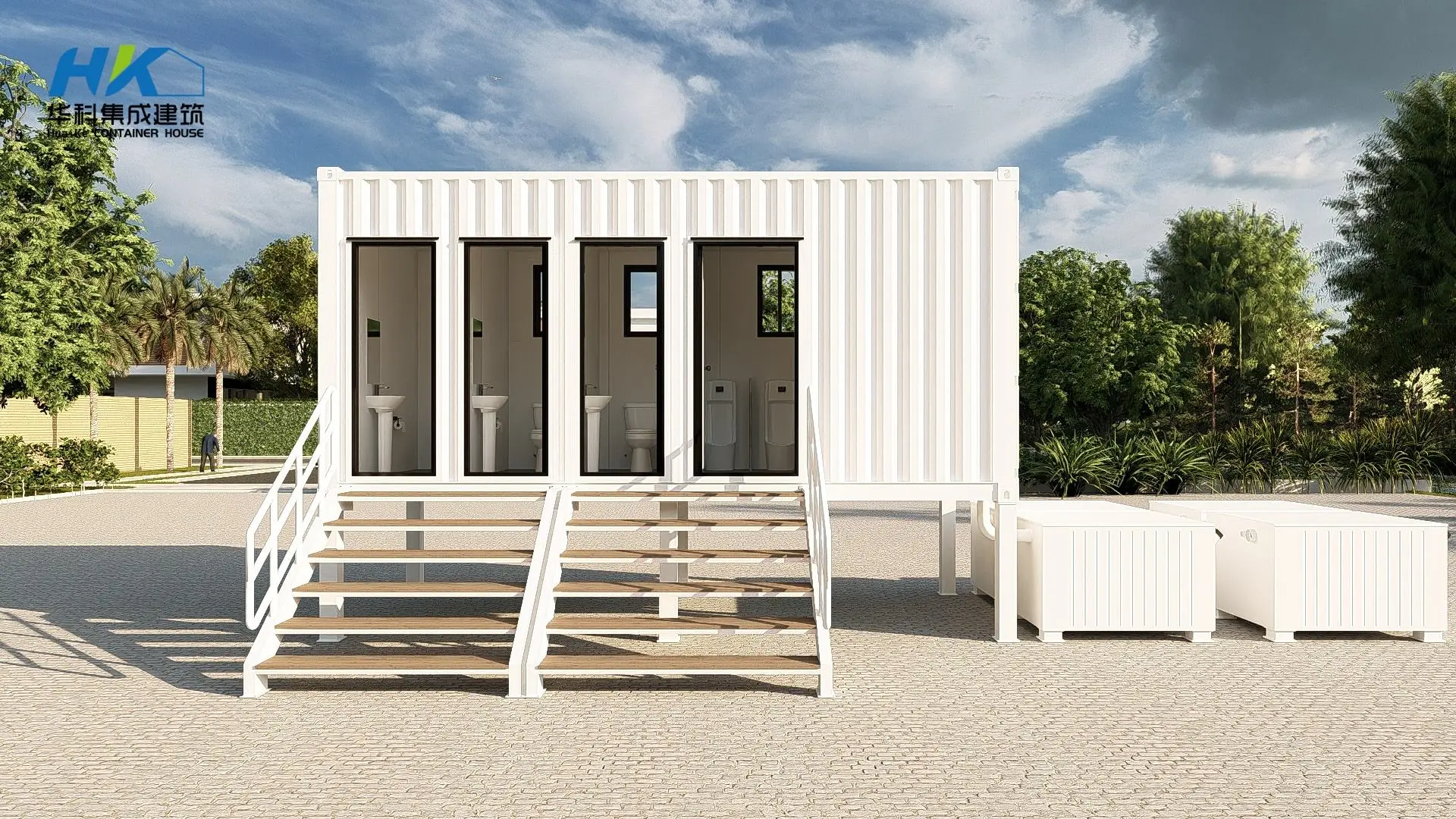 Contianer Toilet