2026 Best Modular House Trends You Need to Know?
In the evolving landscape of housing, the Modular House concept continues to gain momentum. Industry expert Dr. Emily Jackson states, “Modular homes transform the way we think about living spaces.” This reflection underscores the rising popularity of these homes, particularly in the face of modern challenges like affordability and sustainability.
As we approach 2026, several trends are emerging within the modular sector. Homebuyers increasingly seek energy-efficient designs and sustainable materials. The integration of smart technology is also revolutionizing how we interact with our living spaces. Modular Houses offer flexibility, allowing for customized living experiences that cater to individual needs.
Yet, challenges remain. While these homes provide efficiency, not everyone is familiar with modular construction. Some perceive them as less permanent than traditional homes. To embrace the future, the industry must address these misconceptions. Engaging more with potential buyers through education can help reshape these views. The journey of the Modular House is just beginning.
Emerging Materials for Modular Homes in 2026
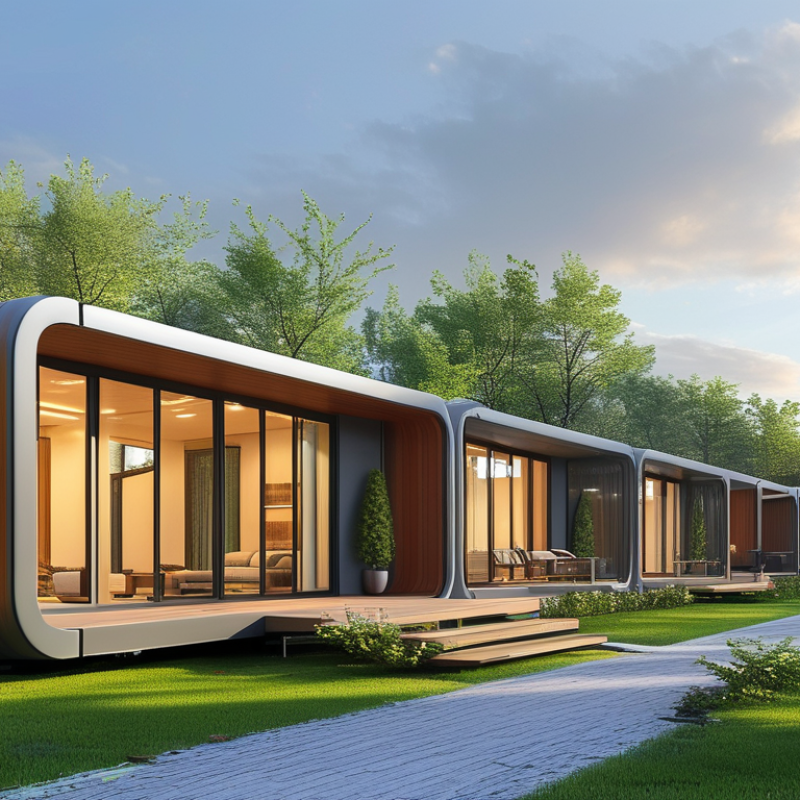
In 2026, modular homes will see a shift towards innovative materials that enhance sustainability and energy efficiency. The construction industry is projected to increase the use of advanced composites, such as recycled plastic and bio-based resins, which promise a reduced environmental impact. Reports indicate that using these materials can decrease carbon footprints by up to 30%.
Moreover, the incorporation of smart materials, like phase-changing materials (PCMs), will gain traction. PCMs can adapt to temperature changes, ensuring optimal indoor climates without excessive energy consumption. Research shows that homes utilizing PCMs can save up to 20% on heating and cooling costs annually. These trends reflect a growing awareness of environmental responsibilities.
On the other hand, the challenge remains in balancing cost and innovation. Many builders struggle to implement these new materials affordably. The high initial costs can deter some developers, leading to a reluctance to adopt. This hesitation might slow down the transition to greener housing solutions. As the market evolves, finding the right balance will be crucial for achieving widespread acceptance of these emerging materials.
Innovative Design Concepts Shaping Modular House Trends
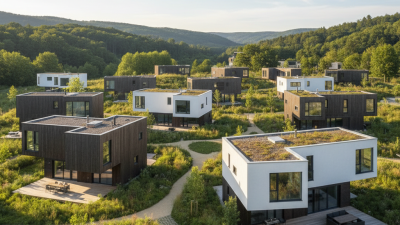
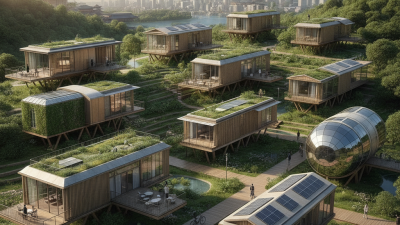
The modular house movement is evolving rapidly. Innovative designs are becoming the heart of modern living. Many architects are reimagining traditional concepts. They focus on sustainability and efficiency. This shift caters to the growing demand for eco-friendly solutions. Energy-efficient materials are gaining popularity. Homes use solar panels and recycled materials more than ever.
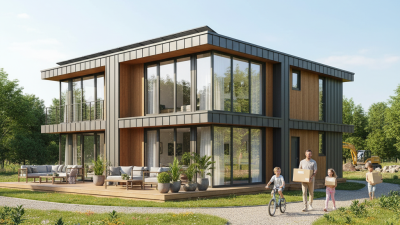
Bright colors and varied textures are trending. Homeowners want their spaces to reflect personal styles. Open floor plans provide flexibility. They allow for adjustable living spaces that can change with needs. Multi-functional furniture adds to this trend, ensuring practical use of every square foot. These designs encourage creativity but can overwhelm the less experienced.
Integration with nature is another key theme. Large windows create a feeling of spaciousness and connection to the outdoors. However, this can raise privacy concerns. Balancing openness with intimacy is essential. Modular homes must adapt to the environment, not just the homeowner’s desires. Overall, these innovative concepts shape how we view and build modern housing.
Sustainable Practices and Eco-Friendly Solutions in Modular Housing
The modular housing industry is increasingly embracing sustainable practices. In fact, a report from the National Association of Home Builders (NAHB) shows that 35% of home builders believe green building practices will be essential in the coming years. This shift is not only environmentally friendly but also economically viable.
Eco-friendly solutions in modular housing often focus on energy efficiency. Many new designs incorporate solar panels and energy-efficient appliances. For instance, a study by the U.S. Department of Energy indicates that homes built with advanced technologies can reduce energy consumption by up to 50%. However, not all modular homes achieve that standard. Some builders still overlook the potential of sustainable materials, which can lead to missed opportunities.
Water conservation is another important element. Efficient plumbing fixtures and rainwater collection systems can significantly lower water usage. Yet, only 25% of modular homes currently implement these systems, according to industry surveys. These figures suggest that while progress is being made, there is still room for improvement. Adopting comprehensive sustainable practices is key to meeting future housing demands.
2026 Best Modular House Trends You Need to Know
| Trend |
Description |
Sustainability Aspect |
Year of Trend Increase |
| Smart Home Integration |
Integration of smart technology for enhanced living experiences. |
Energy efficiency through automation. |
2026 |
| Eco-Friendly Materials |
Use of sustainable and recyclable materials in construction. |
Reduction in carbon footprint. |
2025 |
| Energy-Efficient Design |
Designs that maximize natural light and airflow. |
Lower energy usage and enhanced comfort. |
2024 |
| Modular Extensions |
Easily add additional modules to existing homes. |
Promotes resource-efficient expansions. |
2026 |
| Waste Reduction Techniques |
Methods to minimize waste during construction. |
Less landfill contribution. |
2025 |
Smart Home Technology Integration in Modular Construction
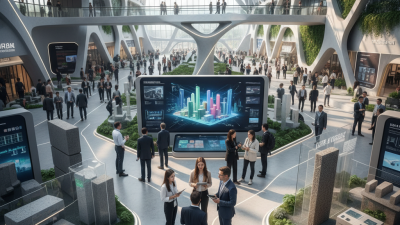
Smart home technology is transforming modular construction in exciting ways. These homes now integrate various devices to enhance convenience and efficiency. Imagine controlling lighting, temperature, and security systems with a simple voice command. This seamless integration is changing how we experience our living spaces.
Modular homes are designed with built-in smart technology. Sensors monitor energy usage and adjust settings automatically. This not only reduces waste but also cuts utility costs. Homeowners can receive real-time data about their home’s performance, making informed decisions.
However, not all smart features are easy to navigate. Some homeowners may feel overwhelmed by the technology. Connecting devices can be tricky and requires technical skills. There’s a learning curve for those unfamiliar with smart systems. The complexity can sometimes detract from the home’s overall value. As smart tech evolves, it is crucial to find a balance between innovation and user-friendliness.
Customization and Personalization Trends in Modular Home Design
Customization and personalization are at the forefront of modular home design. Homebuyers increasingly seek designs that reflect their unique lifestyles. According to a recent study by Home Innovation Research Labs, 70% of prospective buyers express a need for customizable features in their homes. This trend emphasizes individual expression, bridging the gap between functionality and personal style.
Flexible floor plans are one way to achieve customization. Many manufacturers now offer modular homes that can be easily adapted. This allows families to modify spaces as their needs change. For instance, creating a home office or a children's playroom is more accessible than ever. However, some challenges persist. Implementing sustainable materials while accommodating personalization can drive costs up. Stakeholders must balance customization with budget concerns.
Personalization extends beyond floor plans. Technology integration is essential. Smart home features are in high demand. A report by the National Association of Home Builders notes that 59% of homebuyers want smart home technology integrated into their design. While enthusiasm for customization is high, the need for reliable information on options is critical. Engaging with experts in the field can help potential buyers navigate this evolving landscape.

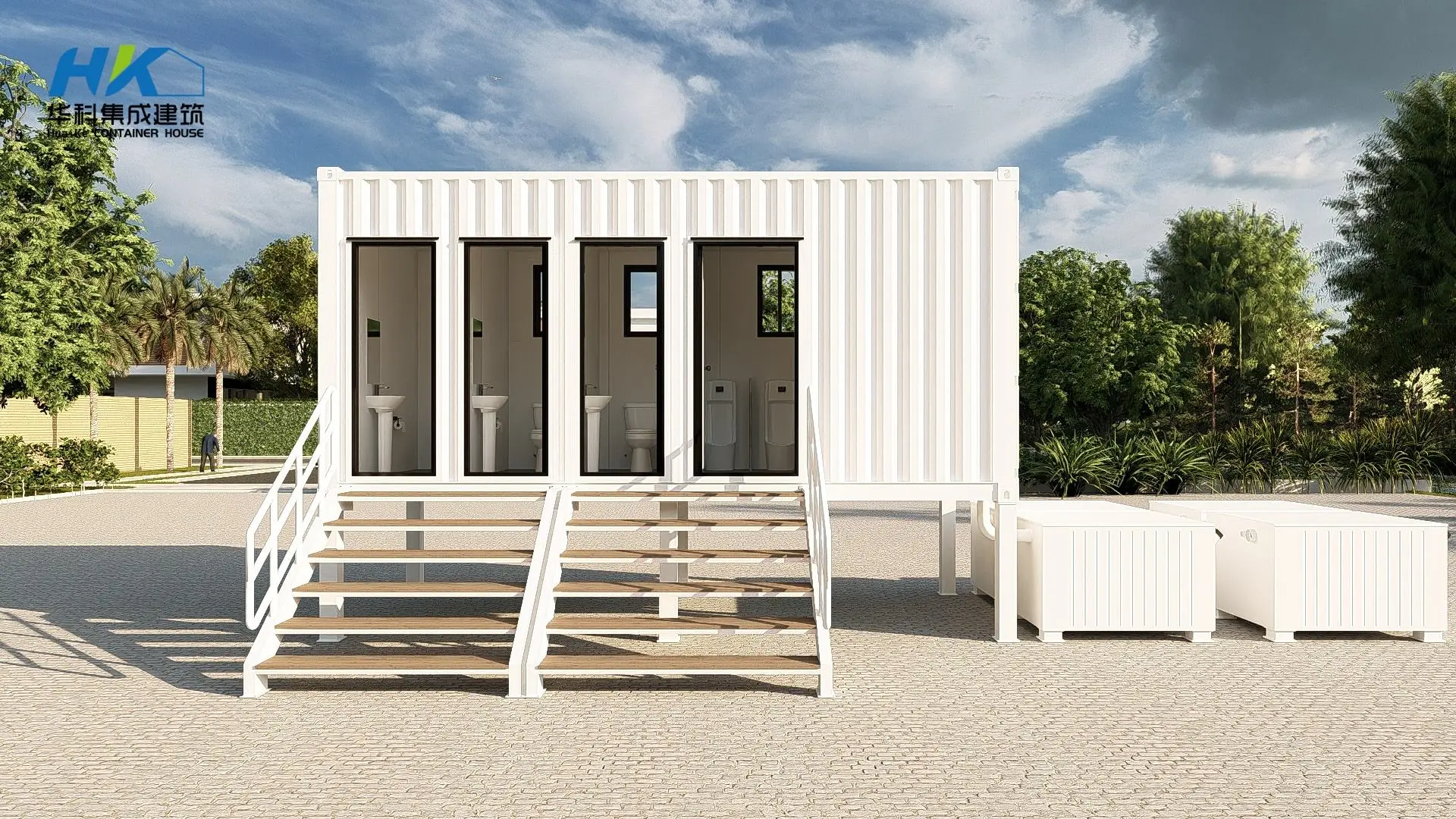 Contianer Toilet